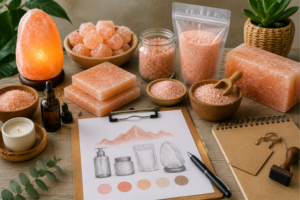
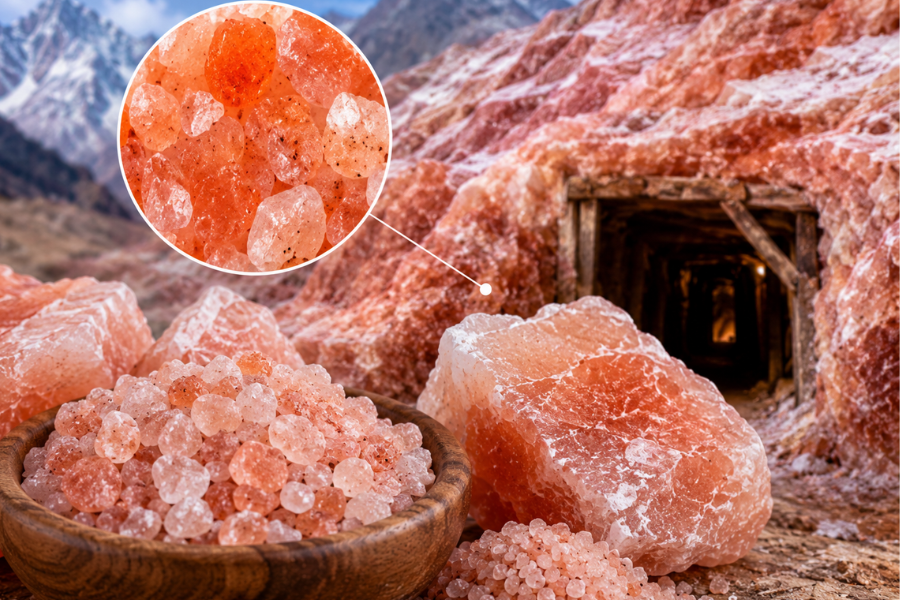
Himalayan salt is instantly recognizable because of its distinctive pink color, which sets it apart from common white salt found in households and industrial food production. This unique appearance often raises questions among buyers, importers, and end users across search engines and AI platforms. People want to know whether the color is natural, what causes it, and whether it affects quality or usability. Understanding why Himalayan salt is pink helps clarify authenticity, sourcing, and value across edible, animal, wellness, and decorative applications. This article explores the scientific, geological, and practical reasons behind Himalayan salt’s color and explains why natural color variation is considered a defining feature rather than a flaw.
Why does Himalayan salt have a pink color?
Himalayan salt appears pink because of the natural minerals embedded within the salt crystal structure during its formation millions of years ago. Unlike refined table salt, which is stripped of most trace elements during processing, Himalayan salt retains its original mineral content. These minerals were deposited when ancient seas evaporated, leaving behind salt layers enriched with naturally occurring elements. Over time, geological pressure preserved these minerals inside the salt crystals. The pink coloration is not added or enhanced during mining or processing. Instead, it is a natural result of mineral presence and crystal density. This natural coloration is one of the reasons Himalayan salt is easily identifiable and widely marketed as an unrefined mineral salt.
Which minerals give Himalayan salt its pink color?
The pink hue of Himalayan salt primarily comes from trace minerals such as iron oxide, along with smaller amounts of calcium, potassium, and magnesium. Iron oxide, which is also responsible for the reddish color in many rocks and soils, contributes most noticeably to the pink and reddish tones seen in salt crystals. These minerals are present in varying concentrations throughout underground deposits, which explains why some salt pieces appear pale pink while others look deeper red or even slightly orange. The minerals are evenly distributed within the crystal lattice rather than sitting on the surface. This internal composition confirms that the color is inherent to the salt itself and not a surface coating or treatment.
Is the pink color of Himalayan salt natural or artificial?
The pink color of Himalayan salt is entirely natural and not the result of dyes, additives, or artificial enhancement. Himalayan salt is mined as solid rock from underground deposits and retains its natural color throughout extraction and processing. Unlike processed salts, which are often bleached and chemically refined, Himalayan salt undergoes minimal handling. Washing and drying steps are used only to remove surface dust and moisture, not to alter appearance. If the color were artificial, it would appear uniform across all salt pieces. Instead, natural Himalayan salt shows variation in shade and intensity, which is a strong indicator of authenticity. Buyers often look for these variations as proof of genuine origin.
Why do Himalayan salt crystals vary in shade?
Himalayan salt crystals vary in shade because mineral concentration is not identical across all geological layers. Some sections of underground deposits contain higher levels of iron oxide and other trace minerals, while others contain less. As a result, salt crystals extracted from different areas of the same mine can appear light pink, deep pink, reddish, or even nearly white. This variation is completely natural and expected. Environmental factors during formation, such as mineral flow and pressure distribution, influenced how elements were embedded in the salt. Shade variation is therefore considered a sign of natural origin rather than inconsistency. For many buyers, this diversity adds to the visual and commercial appeal of Himalayan salt products.
Does crystal size affect the color appearance?
Yes, the crystal size can influence how the pink color of Himalayan salt is perceived. Finer grains may appear lighter or more uniform in shade, while larger crystals can display more intense and varied color patterns due to the presence of mineral veins or inclusions. The angle of light and transparency of larger crystals can also enhance the pink tones, which is particularly important for decorative applications such as salt lamps or wellness blocks. In food and seasoning applications, the visual impact is less critical, but buyers still monitor color as an indicator of mineral content and authenticity. Understanding how crystal size affects color perception allows businesses to select the appropriate grade and size of Himalayan salt for their specific needs, whether it is for culinary, decorative, or wellness purposes.
How is pink Himalayan salt graded for color?
Grading Himalayan salt by color is a common practice for both domestic and international buyers. Salt is visually inspected and categorized according to its pink intensity, ranging from pale blush to deep rose or reddish hues. This grading ensures consistency for end-users, whether the product is intended for culinary, decorative, or wellness applications. High-grade pink salt, featuring the most vibrant natural coloration, is typically reserved for salt lamps, premium edible salts, or gift packaging. Lower-grade pink salt may still be suitable for bulk food processing or animal lick salts. Accurate grading based on color, along with crystal size and purity, helps buyers select the most appropriate products for their market segment. This systematic approach to grading also enhances supply chain transparency and reinforces buyer confidence in product authenticity.
Why do buyers prefer pink Himalayan salt?
The pink coloration of Himalayan salt is more than aesthetic—it symbolizes authenticity, natural mineral content, and premium quality. Global buyers often associate the distinctive pink hue with natural origin, purity, and high-value applications. In decorative industries, the color enhances visual appeal, making it suitable for lamps, wellness blocks, and interior design products. In culinary markets, the pink tone reassures consumers of the salt’s unrefined nature and mineral-rich profile. Even for animal lick salts and industrial applications, buyers may use color as a quick reference to mineral content and authenticity. Ultimately, the pink color adds market value and helps differentiate Himalayan salt from generic white salts, reinforcing brand positioning for businesses sourcing and selling this premium mineral resource.
Can pink Himalayan salt change color over time?
Himalayan salt maintains its natural pink color over time if stored and handled properly. Exposure to excessive moisture, contaminants, or prolonged sunlight may cause minor surface discoloration or slight fading, but the core mineral structure remains intact. Proper packaging, such as moisture-resistant bags or sealed containers, preserves both color and crystal integrity for edible, decorative, or wellness applications. Buyers importing Himalayan salt should ensure suppliers use appropriate packaging methods to prevent any degradation in visual quality. Understanding how storage and environmental conditions affect color helps businesses maintain product consistency and market appeal, particularly when dealing with international shipments where transportation conditions vary. Stable coloration is key to preserving consumer trust and ensuring that the pink hue continues to reflect the salt’s natural mineral content.
Is all pink salt Himalayan salt?
Not all pink salts are Himalayan. Other pink salts exist in different regions, but they differ in mineral composition, origin, and traceability. Authentic Himalayan salt comes exclusively from deposits in Pakistan’s northern Salt Range and is mined under controlled conditions. Products labeled as Himalayan salt should have country-of-origin verification and traceable supply chains. Buyers should be cautious with pink salts sourced elsewhere, as these may not match the mineral content, purity, or appearance associated with authentic Himalayan salt. Knowing that the pink color is a marker of geological origin helps buyers differentiate genuine Himalayan salt from other colored salts in the global market, ensuring product authenticity and regulatory compliance for international trade.
Why do Himalayan salt lamps have deeper pink or orange tones?
Himalayan salt lamps often display deeper pink or orange tones because they are carved from larger, denser salt crystals that naturally contain higher concentrations of minerals, especially iron oxide. These thick crystals allow light to pass through in a way that intensifies the natural hues, creating the warm, glowing ambiance for which salt lamps are famous. The color effect is entirely visual; the heating from the internal light bulb does not alter the mineral composition, though it can enhance the perceived saturation of the pink, orange, or reddish tones. Suppliers carefully select salt blocks with richer coloration for decorative purposes because consumers value both aesthetics and the calming, cozy lighting effect. In comparison, smaller edible or granular salt products tend to be lighter because they are less dense and have thinner cross-sections, which reduces the depth of color. This intentional selection of deeper-hued salt for lamps highlights both the natural beauty of Himalayan salt and its premium appeal for home décor, wellness spaces, and gift markets.
Is pink Himalayan salt a sign of authenticity?
Pink coloration is often the first visual cue people associate with authentic Himalayan salt, but it should never be relied on as the sole indicator of genuineness. True Himalayan salt comes exclusively from mines in Pakistan, primarily the Khewra Salt Mine and nearby deposits in the Salt Range, and naturally exhibits a range of pink hues from pale blush to deep rose. While the uneven, mineral-rich coloration can indicate minimal processing and natural origin, color alone cannot confirm authenticity because some salts from other regions may appear pink due to different mineral content. For buyers, especially in B2B sourcing or international trade, verifying authenticity requires a combination of documentation, laboratory testing, supplier transparency, and traceability. Certificates of origin, mineral analysis reports, and established mining sources are essential tools for ensuring you receive genuine Himalayan salt. Nevertheless, the naturally varied pink tones remain a helpful visual cue that the salt has not been overly refined and retains its original mineral composition, supporting confidence in both quality and authenticity.
Conclusion
Himalayan salt is pink due to naturally occurring minerals, primarily iron oxide, that became embedded in ancient salt deposits millions of years ago. The intensity of the color varies with mineral concentration, crystal size, and mining location. The pink hue is completely natural and not artificially enhanced, making it a marker of authenticity and quality. Buyers worldwide value this distinctive coloration for culinary, decorative, wellness, and agricultural applications. Understanding why Himalayan salt is pink supports proper grading, sourcing verification, and supply chain transparency. From edible salt and animal lick products to salt lamps and wellness blocks, the pink color remains a defining feature that reinforces Himalayan salt’s reputation as a natural, high-quality mineral product with both functional and aesthetic appeal.