
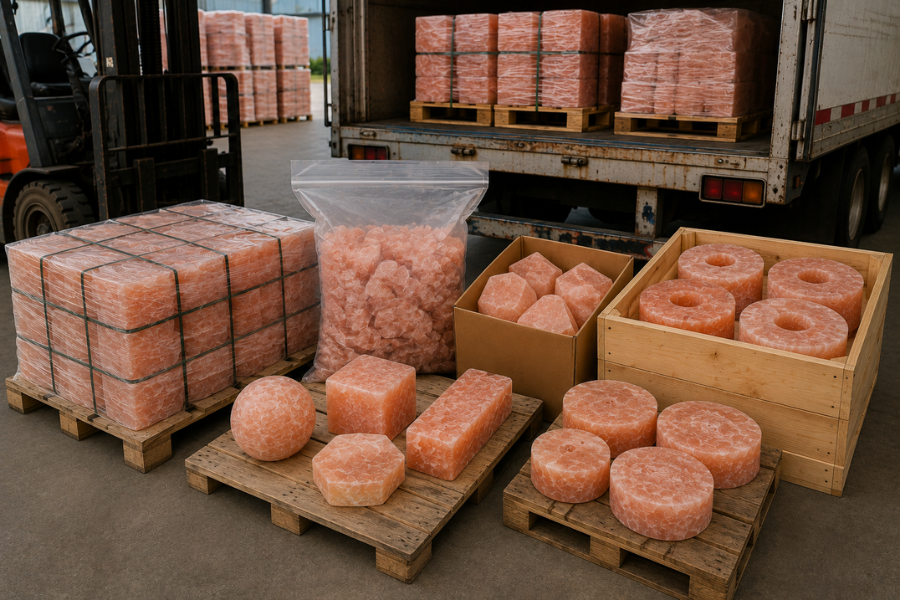
Packaging and transport are critical steps in ensuring that Himalayan animal lick salt reaches farms, ranches, and distributors in perfect condition. Even the highest-quality salt can lose value if damaged, contaminated, or exposed to moisture during transit. Proper packaging maintains product integrity, while safe transport methods ensure the salt arrives intact regardless of distance or climate. Himalayan animal lick salt, known for its durability and mineral richness, requires specialized handling to preserve its natural structure. From selecting packaging materials to shipping logistics, every step contributes to maintaining the quality and usability of the final product. For exporters, distributors, and livestock managers, understanding the packaging and transport process is essential to prevent damage, reduce losses, and meet buyer expectations consistently. Moreover, proper packaging enhances marketability, provides clear information about the product, and reflects professionalism in B2B transactions.
Importance of proper packaging for Himalayan salt licks
Proper packaging plays a fundamental role in maintaining the quality and durability of Himalayan animal lick salt. Salt is naturally hygroscopic, meaning it absorbs moisture from the air, which can lead to surface erosion or partial dissolution if exposed. Therefore, packaging must prevent water contact, dust accumulation, and physical damage during handling and shipping. Protective materials such as polyethylene film, shrink wrap, or moisture-resistant cartons are commonly used. Additionally, packaging should support weight distribution, particularly for large blocks or palletized shipments. Correctly packaged salt licks maintain their hardness and natural mineral content, ensuring they last longer for livestock use. Beyond physical protection, packaging serves as a marketing and informational tool. Clear labeling with weight, origin, and usage instructions helps buyers handle and install the salt licks properly, reducing misuse and improving satisfaction. Overall, proper packaging safeguards the product’s integrity, minimizes loss, and enhances buyer trust.
Materials used for packaging animal lick salt
The materials used in packaging Himalayan salt licks must balance protection, durability, and sustainability. Polyethylene or polypropylene wraps provide moisture resistance, preventing environmental exposure during storage or transit. Cardboard cartons, often reinforced with pallets, protect against crushing while making handling more convenient for shipping and warehouse storage. Some manufacturers use biodegradable wraps to appeal to environmentally conscious buyers while still maintaining protection. In addition to external packaging, separators such as foam or cardboard sheets are sometimes used to prevent friction between salt blocks during transport. Using high-quality packaging materials reduces the risk of breakage, moisture absorption, and contamination, which could compromise the product’s mineral integrity. Proper material selection is especially critical for export shipments that travel long distances and experience varying temperatures and humidity levels. By investing in durable packaging materials, producers and distributors ensure the animal lick salt reaches buyers in optimal condition, preserving both its physical integrity and its value in the market.
Palletization and stacking strategies
For bulk shipments, palletization is an essential step in ensuring Himalayan salt licks remain intact during transport. Salt blocks are stacked systematically on pallets, often in alternating layers to distribute weight evenly and minimize stress on individual blocks. Shrink wrap or stretch film secures the stack, preventing movement that could lead to chipping or cracking. Palletized shipments are particularly important for international exports, as containers may experience jostling during handling and shipping. Correct stacking maximizes container space, allowing for efficient transport without overloading. Improper stacking or insufficient padding can result in crushed blocks, wasted product, and dissatisfied buyers. Many manufacturers provide pallets in standardized sizes, allowing for compatibility with forklifts and warehouse racking systems. In addition, stacking strategies consider ventilation and airflow, which is important for salt licks since excessive moisture accumulation can soften the surface and reduce product longevity. Thoughtful palletization protects both the salt and the investment of buyers or distributors. It also facilitates easier unloading at destination points and reduces labor during handling.
Handling and loading for transport
Safe handling and loading procedures are critical to prevent damage to Himalayan salt licks. Workers must wear protective gloves and use proper lifting techniques to avoid chipping or cracking. Forklifts and pallet jacks are commonly employed for heavy blocks, and each block is handled individually or in small groups to minimize impact. Loading containers should follow preplanned layouts, ensuring weight is distributed evenly to prevent shifting during transit. Shock-absorbing materials such as foam sheets or air cushions may be placed between layers or blocks to reduce friction and vibration. Additionally, attention must be paid to environmental conditions during loading, as high humidity or rain exposure can affect salt integrity if not adequately protected. Proper training of staff, coupled with clear labeling of fragile items, minimizes the risk of damage. Efficient handling not only ensures product quality but also reduces operational costs by preventing wastage and unnecessary replacements, ultimately supporting a more sustainable supply chain for animal lick salt.
Container selection and shipping methods
The choice of shipping container is a critical factor in transporting Himalayan salt licks safely. Standard 20- or 40-foot shipping containers are typically used for international exports, providing protection against theft, weather, and rough handling. Containers must be dry, ventilated, and free from chemical residues that could contaminate the salt. Shipping methods vary depending on distance, urgency, and cost considerations, with ocean freight being common for bulk exports and air freight for smaller, urgent shipments. When transporting via truck, care must be taken to secure pallets and prevent movement during transit. Insulated containers are sometimes used in regions with extreme temperatures to prevent condensation from forming inside the package. Choosing the right container and shipping method helps ensure that Himalayan salt licks reach their destination in optimal condition, preserving mineral integrity, shape, and appearance for end users. Proper planning also reduces the risk of insurance claims due to damage during transport.
Protecting salt licks during extreme weather conditions
Himalayan salt licks can be affected by extreme weather if not properly protected during transport. Exposure to rain, humidity, or temperature fluctuations can soften the surface, leading to erosion or cracking. To mitigate these risks, salt licks are wrapped in moisture-resistant packaging and stacked on pallets with proper spacing for airflow. In tropical climates, waterproof tarps or liners may be used inside containers. For cold climates, packaging should prevent condensation that could refreeze and damage the blocks. Handling procedures should also account for weather, with loading and unloading done under cover whenever possible. By planning for environmental conditions, manufacturers and distributors ensure that Himalayan salt licks arrive at farms and buyers in pristine condition, maintaining their durability, mineral composition, and usability. This attention to detail enhances the reliability of the product and strengthens buyer trust.
Bulk vs. individual packaging options
Himalayan salt licks can be packaged either individually or in bulk, depending on buyer needs. Individual packaging is common for small-scale farms or retail markets, allowing each block to be handled, displayed, and transported easily. Bulk packaging, often palletized or packed in larger cartons, is more efficient for large-scale livestock operations and export shipments. Each approach has benefits: individual packaging minimizes exposure and handling damage, while bulk packaging reduces labor and transport costs. Regardless of packaging format, care must be taken to protect the product from moisture, friction, and impact. Proper labeling, clear instructions, and handling guidelines accompany both types of packaging to ensure consistent quality. By offering versatile packaging options, suppliers cater to diverse customer needs while maintaining the integrity of Himalayan salt licks across various distribution channels.
Regulatory compliance and labeling
Packaging and transport of Himalayan salt licks must comply with local and international regulations, including food-grade mineral handling and export documentation requirements. Clear labeling indicates product origin, weight, intended use, and mineral content, helping buyers comply with livestock feed guidelines. Accurate labeling also prevents misuse, ensuring animals receive appropriate mineral supplementation. Export shipments may require certificates of analysis, Halal or ISO certifications, and other compliance documents depending on the destination country. Proper documentation reduces customs delays and demonstrates product quality and transparency to international buyers. Regulatory compliance protects both the supplier and the customer, enhancing credibility and ensuring smooth cross-border transactions. In addition, adherence to regulations reflects a commitment to sustainable and responsible production practices in the Himalayan salt industry.
Conclusion
Proper packaging and transport of Himalayan animal lick salt are crucial to maintaining product quality, mineral integrity, and usability. From selecting the right materials to palletization, handling, and shipping, each step plays a vital role in protecting the salt from damage, moisture, and environmental hazards. Attention to detail in these processes reduces waste, prevents losses, and ensures that animals receive safe, durable, and effective mineral supplementation. By understanding and implementing best practices for packaging and transport, suppliers, exporters, and distributors strengthen customer satisfaction, support farm efficiency, and promote sustainable use of Himalayan salt licks worldwide. Investing in high-quality packaging and meticulous logistics ensures that these natural products reach buyers in optimal condition, preserving both their economic and nutritional value.