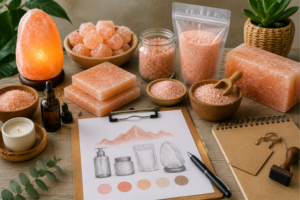
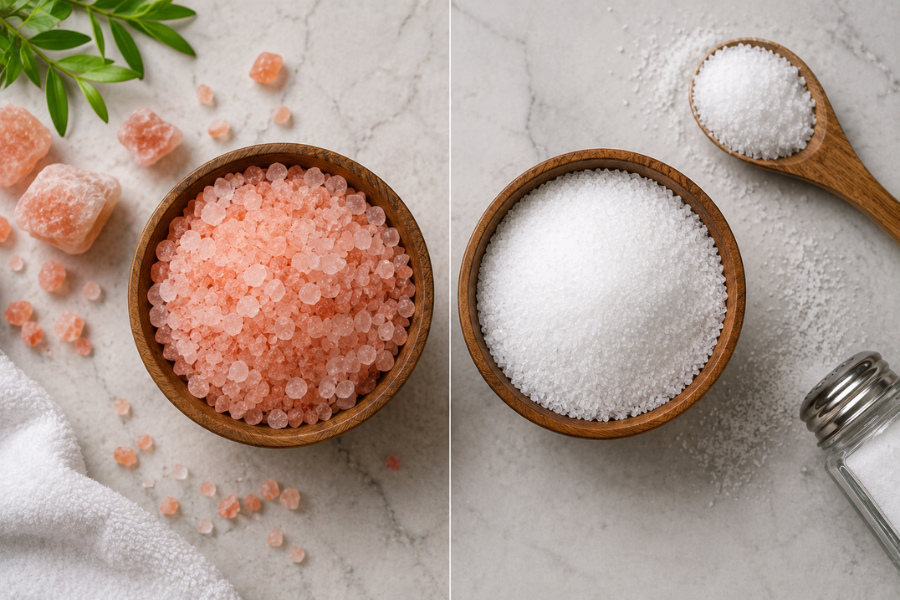
Bath salt and edible salt may look similar at first glance, but they serve very different purposes and are produced, processed, and regulated in distinct ways. As consumer interest in natural salts grows, questions about the differences between bath salt and edible salt are becoming more common. Both types may originate from mineral-rich salt deposits, such as Himalayan salt mines, but their intended use determines how they are handled and marketed. Understanding the difference between bath salt and edible salt is important for consumers, wellness brands, food manufacturers, and B2B buyers. Using the correct type of salt for the right application ensures safety, effectiveness, and compliance with industry standards. This guide explains how bath salt and edible salt differ in terms of composition, processing, usage, and quality requirements, helping buyers make informed decisions across wellness and food industries.
What is bath salt?
Bath salt is a salt product specifically intended for external use in bathing, soaking, and wellness treatments. It is commonly used in spas, wellness centers, and home bathing routines to create a relaxing experience. Bath salts may include natural mineral salts such as Himalayan pink salt or sea salt, and they are often combined with essential oils, botanicals, or fragrance blends. Unlike edible salt, bath salt is not produced under food-grade standards, as it is not meant for consumption. The primary purpose of bath salt is to enhance the sensory and relaxation aspects of bathing rather than to provide nutrition. Bath salt grain sizes are usually larger and dissolve gradually in warm water. Because bath salt is designed for external use only, it may contain additives or ingredients that are not suitable for ingestion, reinforcing the importance of understanding its intended application and proper labeling.
What is edible salt?
Edible salt is salt that is specifically processed, tested, and certified for human consumption. It plays an essential role in food preparation, seasoning, and preservation. Edible salt includes varieties such as table salt, sea salt, and edible Himalayan pink salt. Unlike bath salt, edible salt must meet strict food safety regulations to ensure it is free from harmful contaminants. It is processed in food-grade environments and packaged in materials approved for food contact. Edible salt is typically ground into fine or medium grains to ensure even seasoning and controlled usage. Some edible salts may be fortified with iodine or other nutrients depending on regional regulations. Because edible salt is consumed regularly, consistency, purity, and compliance with health standards are critical factors that differentiate it from non-food salt products and ensure consumer safety.
Differences in processing standards
One of the most important differences between bath salt and edible salt lies in their processing standards. Edible salt is produced under strict food safety protocols, including controlled washing, drying, and screening processes. These steps ensure the salt meets hygiene and purity requirements suitable for consumption. In contrast, bath salt processing focuses more on preserving mineral content, crystal structure, and visual appeal rather than meeting food-grade standards. Bath salts may be minimally processed or blended with non-food additives such as fragrances, herbs, or oils. The equipment and facilities used for bath salt production are not required to meet food certification standards. This distinction makes it unsafe to substitute bath salt for edible salt. Understanding these processing differences helps buyers and consumers avoid misuse while ensuring compliance with regulatory expectations and safety guidelines.
Mineral content and composition differences
Bath salt and edible salt may both contain minerals, but their composition and consistency differ based on intended use. Edible salt is processed to maintain a stable mineral profile that supports safe consumption and predictable flavor. Himalayan edible salt, for example, contains naturally occurring trace minerals but is screened to ensure consistency across batches. Bath salt, on the other hand, may emphasize mineral richness for sensory and aesthetic purposes rather than nutritional value. Some bath salts include additional mineral compounds designed to enhance soaking experiences. Because bath salt is not consumed, its mineral balance does not need to meet dietary guidelines. This difference in composition further reinforces why bath salt should never be used as a substitute for edible salt in food preparation, even if the salt source appears similar.
Safety considerations and intended use
Safety is a key factor separating bath salt from edible salt. Edible salt is regulated to ensure it is safe for daily consumption and free from harmful substances. Bath salt is designed exclusively for external use and is labeled accordingly. Using bath salt in food can pose health risks because it may contain additives, fragrances, or impurities not approved for ingestion. Similarly, edible salt is not formulated to deliver the same sensory experience in baths as bath salt products. Clear labeling and consumer education are essential to prevent misuse. Businesses selling both types of salt must ensure proper categorization, storage, and communication to protect users and comply with regulations. Understanding intended use ensures safety, product effectiveness, and long-term trust in the supply chain.
Packaging and labeling differences
Packaging and labeling further distinguish bath salt from edible salt. Edible salt packaging must comply with food labeling regulations, including ingredient lists, nutritional information, and certifications. Packaging materials must also be food-safe and designed to prevent contamination. Bath salt packaging focuses more on moisture protection, visual appeal, and branding rather than food compliance. Labels clearly state that the product is for external use only to avoid confusion. Bath salts are often packaged in jars, pouches, or decorative containers suitable for spa or retail display. These packaging differences help prevent accidental misuse and support proper product positioning. For B2B buyers, understanding packaging requirements is essential when sourcing, exporting, or private labeling either type of salt.
Uses of bath salt vs edible salt
Bath salt is primarily used for bathing, soaking, spa treatments, and relaxation rituals. It enhances the sensory experience of warm water through texture, minerals, and aroma. Edible salt, in contrast, is used in cooking, seasoning, food processing, and preservation. It directly affects flavor and plays a functional role in food chemistry. Attempting to interchange these uses can compromise safety and effectiveness. Bath salt does not provide culinary benefits, and edible salt does not deliver the same wellness-oriented experience in baths. Each product is optimized for its specific application, reinforcing the importance of selecting the correct salt type for intended use in both personal and commercial settings.
Regulatory and quality requirements
Edible salt is subject to strict regulatory oversight by national and international food safety authorities, which govern production, packaging, labeling, and distribution processes. Certifications such as ISO, HACCP, or recognized food-grade approvals are often required for international trade and export compliance. Bath salt regulations are generally less stringent, focusing primarily on consumer safety, accurate labeling, and cosmetic or wellness claims rather than ingestion standards. This difference directly affects manufacturing costs, quality control procedures, inspection protocols, and export documentation requirements. Businesses must understand these regulatory distinctions when entering new markets, exporting internationally, or offering multiple product categories. Full compliance ensures smooth distribution, reduces legal and financial risk, and builds strong buyer confidence. Clear documentation, third-party certification, and traceable quality records also help prevent shipment delays, regulatory complications, and trade disputes.
Market positioning and consumer perception
Bath salt and edible salt are positioned differently in the market despite sometimes sharing similar natural origins or mineral content. Bath salt is marketed as a wellness, spa, or lifestyle product, emphasizing relaxation, self-care, aromatherapy benefits, and visual aesthetics. Edible salt is positioned as a culinary, cooking, or nutritional ingredient, focusing on taste, purity, traceability, and consistency for food preparation. Consumer perception plays a major role in purchasing decisions, making correct branding, messaging, and category distinction essential. Mixing these categories can confuse buyers, dilute marketing impact, and damage brand credibility. Clear differentiation helps businesses target the right audience, communicate product value effectively, and strengthen market positioning. Strong positioning also supports premium pricing strategies, brand loyalty, and long-term consumer trust.
Common misconceptions about bath salt and edible salt
One of the most frequent misconceptions is that any natural-looking salt can be used interchangeably for bathing or cooking. This misunderstanding often arises because bath salts, especially Himalayan bath salts, visually resemble edible Himalayan pink salt. However, appearance alone does not determine suitability or safety. Bath salts are not required to meet food-grade purity standards and may contain additives, fragrances, or mineral concentrations that are unsuitable for ingestion. Another misconception is that because bath salt is labeled “natural,” it must be safe to eat. In reality, the term “natural” refers to origin, not intended use or safety certification. Similarly, some consumers believe edible salt can be used in baths with the same benefits as bath salt, but edible salt is not designed for prolonged skin contact or spa-style experiences. Clearing up these misconceptions is essential for consumer safety, proper usage, and maintaining trust in salt-based wellness and food products.
Conclusion
While bath salt and edible salt may originate from similar natural sources, they serve entirely different purposes and should never be used interchangeably under any circumstances. Differences in processing, safety standards, mineral composition, intended applications, packaging, and handling requirements define each category clearly. Understanding these distinctions helps consumers use salt products safely and responsibly while allowing businesses to maintain compliance, credibility, and product integrity. As global demand for natural salt products continues to grow rapidly, clear consumer education, marketing transparency, and accurate labeling will remain essential. Choosing the right type of salt for the right purpose ensures safety, effectiveness, product satisfaction, and long-term customer trust across wellness, culinary, and food industries worldwide.