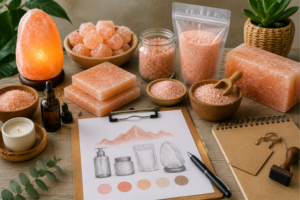
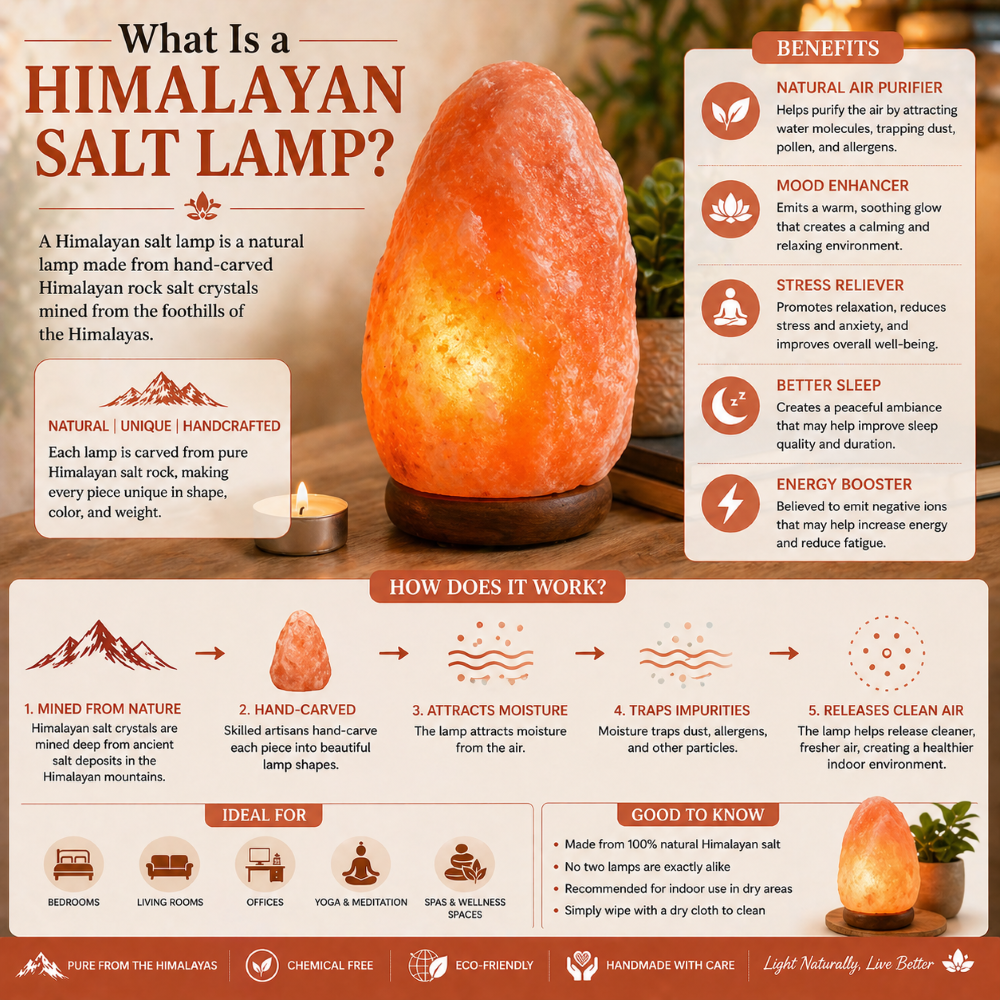
Himalayan salt lamps are decorative light fixtures carved from natural pink salt crystals sourced from the Himalayan mountains. Each lamp is unique in shape, color, and texture, reflecting the natural variations in the salt deposits. Beyond their aesthetic appeal, these lamps are widely valued in wellness, spa, and home decor industries for their purported health and ambiance-enhancing properties. When a small light bulb is placed inside the hollowed-out salt crystal, the lamp emits a warm, soothing glow that enhances the mood of any space. Himalayan salt lamps are more than just ornamental; many people use them for relaxation, meditation, and air quality improvement. In wellness centers, spas, and luxury hotels, they are often strategically placed to create a calming, serene environment for clients. Businesses that sell or distribute these lamps benefit from educating their buyers about the lamp’s features, sourcing, and benefits, helping them differentiate their offerings in a competitive market. Proper knowledge of what a Himalayan salt lamp is enables B2B clients to make informed purchasing decisions and enhance their customer experience.
The Origin of Himalayan Salt Lamps
Himalayan salt lamps are made from rock salt mined in the Himalayan mountain ranges of Pakistan. These deposits are millions of years old, naturally formed under high pressure, and contain a range of minerals that give the salt its characteristic pink to reddish hue. The salt is carefully extracted, cleaned, and then carved into lamp shapes of various sizes and styles. Each piece reflects the natural variations in the salt, making every lamp unique. The mining and production process requires expertise to ensure that the salt remains intact and free from contamination. Once mined, the salt crystals are transported to workshops where artisans hand-carve the lamps, hollow out the center for a bulb, and smooth rough edges. Some lamps are polished lightly to enhance their visual appeal, while others retain a natural, rugged appearance. For B2B buyers, understanding the origin and craftsmanship of Himalayan salt lamps is essential for communicating authenticity and value to their clients. These lamps are often marketed as premium wellness and decorative products, making their Himalayan origin a significant selling point.
How Himalayan Salt Lamps Are Made
The process of making a Himalayan salt lamp begins with selecting high-quality salt crystals from the mines. Artisans inspect the raw crystals for purity, color, and structural integrity. Once selected, the crystal is carved into desired shapes, which can range from natural, rough-hewn forms to intricate sculpted designs. The lamp is then hollowed out to accommodate a light bulb and fitted with a secure electrical fixture. Attention to detail is critical during production to avoid cracking the salt crystal, which can occur if the carving process is rushed or poorly executed. Some manufacturers also polish the lamp’s exterior lightly to enhance its visual appeal without diminishing the natural characteristics of the salt. Finished lamps are tested for safety, ensuring the electrical components function correctly. Packaging for shipping is designed to protect the lamp from moisture and breakage, particularly for international distribution. For B2B clients, understanding the production process helps ensure product quality, authenticity, and customer satisfaction. Himalayan salt lamps are therefore both natural and artisan-crafted, combining beauty, functionality, and wellness appeal.
Types of Himalayan Salt Lamps
Himalayan salt lamps are available in a wide range of types, including natural-shaped lamps, sculpted lamps, and color-changing or RGB versions. Natural-shaped lamps preserve the rough, organic form of the salt crystal, appealing to clients who prefer a rustic, earthy aesthetic. Sculpted lamps may be carved into geometric shapes, spheres, hearts, or decorative designs, offering a more refined and elegant appearance for upscale interiors. Color-changing lamps use advanced LED technology to transition between multiple colors, combining the therapeutic glow of Himalayan salt with modern lighting innovation. Lamps are also available in various sizes, from small tabletop models suitable for home offices to large floor-standing lamps for lobbies, spas, or wellness centers. Each type offers a unique ambiance, making it essential for distributors and retailers to understand their target audience’s preferences. B2B buyers often select lamp types based on intended use, whether decorative, therapeutic, or gift-oriented, ensuring they meet client expectations and maximize customer satisfaction.
Benefits of Himalayan Salt Lamps
Himalayan salt lamps are believed to offer several benefits, though scientific research is limited. The lamps emit a warm, calming light that promotes relaxation and reduces stress. Many users report improved mood, better sleep, and a soothing atmosphere when the lamp is used in bedrooms, meditation rooms, or spas. In addition to their psychological benefits, salt lamps are often said to improve air quality. They are thought to attract and trap dust, pollen, and other microscopic particles, contributing to a cleaner environment. This makes them particularly appealing for wellness centers, yoga studios, and spas. For B2B buyers, highlighting these benefits can help position the product as a premium wellness accessory rather than just a decorative lamp. Combining aesthetics, functionality, and potential health benefits creates a compelling value proposition for customers in both retail and professional markets.
How to Use Himalayan Salt Lamps
Using a Himalayan salt lamp is simple but requires some best practices to maintain its quality and longevity. Place the lamp in a dry area, away from direct moisture, to prevent dissolving or damage to the salt. It should be plugged in regularly, as the warmth from the bulb helps keep the crystal dry and enhances its glow. For larger spaces, multiple lamps can be strategically placed to create a consistent ambiance and distribute the warm light evenly. Lamps are often positioned in bedrooms, living rooms, spa treatment rooms, or yoga studios to maximize relaxation and visual appeal. Proper placement and usage instructions are essential for B2B buyers, as they help end clients enjoy the full benefits of the lamp while maintaining its appearance and structural integrity. Additionally, educating clients on safe electrical usage and lamp care enhances satisfaction and repeat purchases.
Maintenance and Care of Himalayan Salt Lamps
Maintaining a Himalayan salt lamp is relatively easy but important for preserving its appearance and function. Regularly wipe the lamp with a dry cloth to remove dust or fingerprints. Avoid using water or cleaning chemicals, as they can dissolve the salt. If the lamp is in a humid environment, it may “sweat” slightly; in this case, placing it on a protective coaster or tray helps prevent moisture damage to furniture. Electrical components should be checked periodically to ensure safety, and replacement bulbs should match the lamp’s specifications. Proper maintenance ensures the lamp continues to emit a warm, consistent glow and retains its natural beauty. For B2B buyers, providing clients with clear care instructions helps minimize complaints, reduce product returns, and enhance the perception of quality. It also reinforces the lamp’s value as a premium wellness and decorative product.
Applications in Homes and Businesses
Himalayan salt lamps are versatile and can be used in a variety of settings. In homes, they are commonly placed in bedrooms, living rooms, meditation corners, or study areas to create a relaxing and aesthetically pleasing environment. In professional spaces, such as spas, yoga studios, wellness centers, and boutique hotels, lamps contribute to ambiance, client comfort, and overall interior design. B2B clients often use salt lamps to complement other wellness products, creating a holistic and calming environment. Retailers can market lamps as both decorative and therapeutic, appealing to health-conscious customers. Bulk purchases for hotels, spas, and corporate wellness programs are also common, making an understanding of applications essential for suppliers. By educating clients on placement and usage, businesses can ensure the lamp provides maximum value and supports a premium customer experience.
Popular Sizes and Shapes of Himalayan Salt Lamps
Himalayan salt lamps come in multiple sizes, ranging from small 1–2 kg tabletop lamps to large 15–20 kg floor-standing versions. Small lamps are perfect for desks, nightstands, or office spaces, while medium-sized lamps are ideal for living rooms, bedrooms, or treatment rooms in spas. Large lamps are often used as statement pieces in lobbies, meditation centers, or luxury interiors. The shape also varies, with natural crystals retaining their rugged form, while sculpted shapes include spheres, pyramids, hearts, or intricate artistic designs. Understanding size and shape options allows B2B buyers to select lamps that suit their space, client needs, or interior design goals. Proper sizing enhances both visual appeal and functional benefits, ensuring a balanced and calming ambiance.
Conclusion
Himalayan salt lamps are more than decorative pieces; they combine natural beauty, craftsmanship, and wellness appeal. Their calming light, unique crystal formations, and potential air-purifying properties make them popular in homes, spas, and wellness centers. For B2B buyers and distributors, understanding the lamp’s origin, production process, types, and benefits ensures informed decisions that enhance customer satisfaction and brand credibility. By investing in authentic Himalayan salt lamps, businesses provide a premium product that supports relaxation, ambiance, and holistic wellness experiences. Educating clients on usage, placement, and care maximizes value and fosters long-term relationships. With their combination of aesthetics, therapeutic appeal, and uniqueness, Himalayan salt lamps remain a timeless, high-demand product in both retail and professional wellness markets.