Himalayan salt lamps have become one of the most popular decorative products for homes, wellness spaces, yoga studios, spas, and hospitality interiors because of their natural crystal appearance and warm ambient glow. As more people discover Himalayan salt products online, beginners are increasingly searching for reliable information about how to choose the right salt lamp for their needs. Questions such as “What should I look for when buying a Himalayan salt lamp?”, “How do I know if a salt lamp is real?”, and “Which size Himalayan salt lamp is best for beginners?” are now commonly searched on Google and AI-powered search platforms. Many first-time buyers feel confused because there are countless shapes, sizes, colors, and quality levels available in the market. Some lamps are authentic natural Himalayan rock salt products, while others are low-quality imitations made from artificial materials or lower-grade minerals. Understanding the basics of Himalayan salt lamps helps beginners make informed purchasing decisions while improving long-term satisfaction, decorative value, and overall product quality for home and commercial environments.
What Is a Himalayan Salt Lamp?
A Himalayan salt lamp is a decorative lighting product carved from natural Himalayan rock salt crystals sourced from Pakistan. These lamps are usually handcrafted from large salt crystal blocks and fitted with a bulb inside that creates a warm amber or orange glow when illuminated. Most authentic Himalayan salt lamps are mounted on wooden bases and display natural crystal textures with unique variations in color and shape. No two lamps are exactly alike because each piece is formed naturally over millions of years within ancient salt deposits. Himalayan salt lamps are widely used in bedrooms, living rooms, offices, wellness centers, spas, and meditation areas because they create soft lighting that feels warm and visually calming. Their natural appearance also makes them highly compatible with modern interior design trends focused on organic textures and wellness-inspired decor. Beginners often choose salt lamps because they combine decorative beauty with a handcrafted aesthetic that feels more natural and visually appealing than conventional decorative lighting products.
Why Himalayan Salt Lamps Are So Popular
The popularity of Himalayan salt lamps has grown significantly in recent years because modern consumers increasingly prefer natural decorative products that create relaxing and visually comfortable environments. Many homeowners use salt lamps to soften the appearance of interior spaces and create warm ambient lighting that feels less harsh than standard artificial lighting. Himalayan salt lamps are especially popular in bedrooms, meditation rooms, yoga studios, wellness spaces, and hospitality interiors where calm and relaxing atmospheres are important. Social media and online interior design trends have also contributed to the growing demand for salt lamps because their glowing crystal appearance photographs beautifully in modern home settings. Many people are attracted to the natural crystal textures and earthy pink-orange tones that complement contemporary, minimalist, rustic, and wellness-focused decor styles. In addition to their visual appeal, salt lamps are often associated with natural living and organic interior design concepts, making them highly desirable among buyers seeking decorative products with handcrafted and nature-inspired characteristics.
How to Identify a Real Himalayan Salt Lamp
One of the most important things beginners should understand is how to identify an authentic Himalayan salt lamp. Genuine Himalayan salt lamps are made from natural rock salt mined in Pakistan and usually contain visible crystal patterns, irregular textures, and natural color variations. Authentic lamps are generally heavier than imitation products because they are carved from solid salt crystal blocks rather than lightweight synthetic materials. Real salt lamps often have rough or uneven surfaces instead of perfectly smooth finishes. They may also absorb moisture slightly in humid environments because natural salt is hygroscopic. Fake lamps made from resin or artificial stone often appear overly polished, lightweight, or unnaturally bright in color. Buyers should also examine product packaging, supplier transparency, and country-of-origin labeling before purchasing. Reliable manufacturers clearly mention sourcing information and use professional export-quality packaging to protect the lamp during transportation. Understanding these authenticity indicators helps beginners avoid low-quality imitation products and choose genuine decorative Himalayan salt lamps.
Choosing the Right Salt Lamp Size
Selecting the correct Himalayan salt lamp size is important because lamp dimensions influence both decorative appearance and lighting effect within a room. Small salt lamps typically weigh between one and three kilograms and are commonly used on bedside tables, office desks, bookshelves, and compact decorative spaces. Medium-sized lamps are popular for living rooms, reading corners, and relaxation spaces because they provide stronger visual presence while still fitting comfortably into residential interiors. Large Himalayan salt lamps are often used in spacious rooms, hotel lobbies, spas, meditation studios, and luxury wellness spaces where more dramatic decorative impact is desired. Beginners should consider room size, furniture placement, and lighting preferences before selecting a lamp size. Smaller lamps create subtle accent lighting, while larger lamps become focal decorative elements within the space. Choosing a balanced size helps ensure the lamp complements the room aesthetically without overwhelming surrounding furniture or decor arrangements.
Understanding Different Salt Lamp Shapes
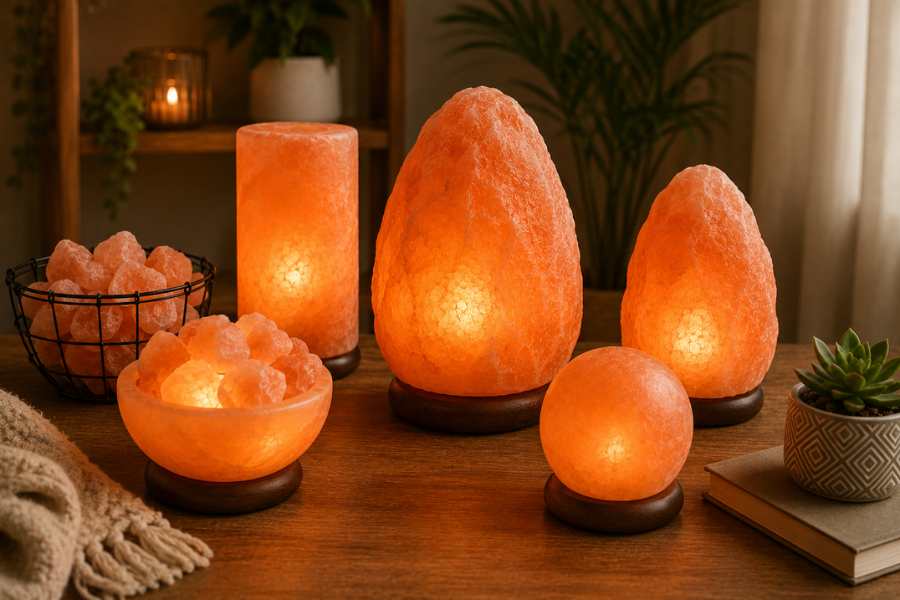
Himalayan salt lamps are available in a variety of shapes that suit different interior design preferences and decorative themes. Natural shape salt lamps preserve the original appearance of the rock salt crystal and are highly popular among buyers who prefer rustic and organic aesthetics. Pyramid-shaped lamps offer a more geometric and modern appearance that fits contemporary interiors and minimalist decor concepts. Square and rectangular salt lamps are commonly chosen for modern office spaces, luxury hotel interiors, and architectural decorative themes because they create cleaner visual lines. Sculpted salt lamps are carved into artistic or themed designs that function as decorative centerpieces within residential or hospitality environments. Beginners should choose lamp shapes based on the overall style of their space and personal design preferences rather than focusing only on trends. The shape of a salt lamp significantly influences how it interacts visually with furniture, lighting, and surrounding decorative elements within the room.
What Color Should a Himalayan Salt Lamp Be?
Many beginners assume all Himalayan salt lamps look the same, but authentic lamps naturally appear in multiple shades ranging from light pink and pale peach to deep orange and reddish tones. These color variations occur because mineral concentrations differ naturally within the salt deposits. Some lamps produce softer pastel lighting effects, while darker lamps often create richer amber glows when illuminated. Natural variation is actually a positive sign because genuine Himalayan salt crystals are never perfectly uniform in appearance. Buyers should avoid lamps with excessively bright neon colors or unnatural surface finishes because these may indicate artificial coloring or imitation materials. The choice of lamp color usually depends on personal preference and interior design style. Lighter lamps often suit minimalist and Scandinavian-inspired interiors, while darker orange tones work well in rustic, bohemian, and wellness-themed spaces. Understanding natural color variation helps beginners choose lamps that feel authentic and visually compatible with their home decor.
Why Lamp Quality Matters for Beginners
Quality is extremely important when purchasing a Himalayan salt lamp because it affects durability, safety, appearance, and long-term decorative performance. High-quality salt lamps are carved carefully from solid crystal blocks and fitted with secure electrical components, stable wooden bases, and reliable bulb holders. Low-quality lamps may crack more easily, contain weak wiring, or use artificial materials that lack the natural beauty of authentic Himalayan salt. Beginners should inspect the craftsmanship of the lamp carefully, including surface texture, base stability, electrical assembly, and packaging standards. Reliable suppliers usually provide export-quality products with moisture-resistant packaging and clear product information. A well-made salt lamp not only looks more attractive but also lasts longer and performs better as a decorative lighting feature. Investing in quality from the beginning helps buyers avoid disappointment while improving overall decorative value and safety within residential or commercial interiors.
Best Places to Use Himalayan Salt Lamps
Himalayan salt lamps are versatile decorative products that can be used in multiple areas throughout the home or commercial spaces. Bedrooms are among the most popular locations because the soft amber glow creates a calm and relaxing atmosphere suitable for evening lighting. Living rooms also benefit from salt lamps because they add warmth and visual softness to entertainment spaces and seating areas. Many people place salt lamps in meditation rooms, yoga studios, reading corners, spas, and wellness spaces where natural lighting and calming interiors are desired. Offices and workspaces can also use salt lamps to create more visually comfortable environments compared to harsh fluorescent lighting. In hospitality settings, salt lamps are commonly used in hotel lounges, spa reception areas, and relaxation spaces because they contribute to premium wellness-focused interior design concepts. Choosing the right placement helps maximize both decorative impact and overall room atmosphere.
How to Maintain a Himalayan Salt Lamp
Proper maintenance helps preserve the appearance and durability of Himalayan salt lamps over time. Because natural salt absorbs moisture from humid environments, lamps should ideally be placed in dry indoor spaces away from excessive humidity or direct water exposure. Regularly turning on the lamp helps keep the crystal surface dry because the bulb generates gentle warmth. If moisture or dust appears on the lamp, it can usually be cleaned using a soft, dry cloth or a slightly damp cloth, followed immediately by drying. Beginners should avoid soaking the lamp in water or using harsh chemical cleaners because these may damage the natural salt surface. Electrical components should also be inspected occasionally to ensure safe operation. Proper handling and stable placement help reduce the risk of accidental cracking or breakage. Following simple maintenance practices allows Himalayan salt lamps to remain visually attractive and functional for many years.
Why Authentic Suppliers Matter When Buying Salt Lamps
Choosing a reliable supplier is one of the most important parts of buying a Himalayan salt lamp, especially for beginners who may not yet understand product quality differences. Authentic suppliers openly share information about sourcing, manufacturing, packaging, and export procedures. Reliable manufacturers usually source salt directly from Pakistan’s Himalayan salt deposits and provide professionally packaged products suitable for retail or international shipping. Buyers should avoid suppliers that make unrealistic claims or fail to provide basic product information regarding origin and craftsmanship. Transparent suppliers often maintain organized product catalogs, clear images, and consistent communication with customers. Businesses purchasing lamps for retail or hospitality projects should especially prioritize suppliers with export experience and strong quality-control systems. Working with trustworthy suppliers improves product consistency, customer satisfaction, and long-term decorative value while reducing the risk of receiving imitation or damaged products.
Conclusion
Himalayan salt lamps remain one of the most popular natural decorative lighting products because they combine handcrafted beauty, warm ambient lighting, and versatile interior styling potential. For beginners, understanding lamp authenticity, size selection, color variation, craftsmanship, and supplier reliability is essential for making informed purchasing decisions. Genuine Himalayan salt lamps sourced from Pakistan offer unique crystal textures, natural color tones, and visually calming aesthetics that complement modern home decor, wellness spaces, and hospitality interiors. Whether used in bedrooms, living rooms, yoga studios, spas, or office spaces, authentic salt lamps help create interiors that feel warm, relaxing, and naturally inspired. Buyers who focus on quality, authenticity, and reliable suppliers are more likely to enjoy long-term satisfaction and stronger decorative performance from their Himalayan salt lamp purchases.