What Is Himalayan Bath Salt?
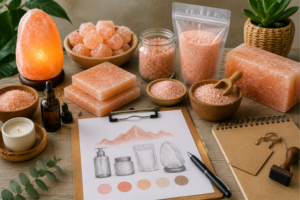
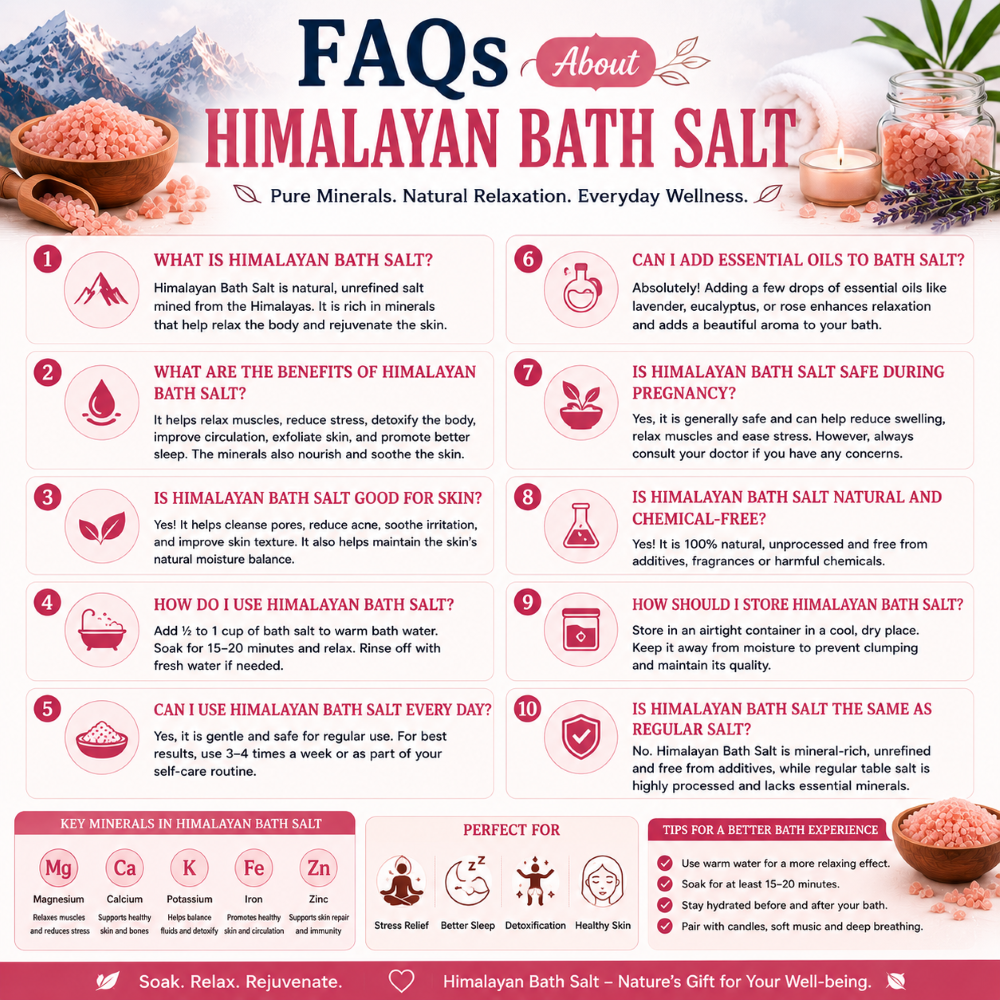
Himalayan bath salt is a naturally occurring mineral salt sourced from ancient salt deposits located in Pakistan’s Himalayan Salt Range. Unlike chemically refined bath salts, it is extracted from deep underground reserves formed millions of years ago, long before modern pollution. The salt is naturally rich in trace minerals, which give it its characteristic pink to reddish hues. For bath use, Himalayan salt is typically crushed or granulated into coarse textures that dissolve slowly in warm water. Its natural origin, minimal processing, and mineral profile make it popular in wellness applications where authenticity and purity are valued. Buyers often choose Himalayan bath salt for its natural positioning rather than for medicinal claims, making it suitable for spas, wellness brands, and hospitality environments focused on sensory experiences. Its natural formation and minimal processing make it especially attractive for brands focused on authenticity, sustainability, and mineral-rich wellness products.
How Is Himalayan Bath Salt Different From Regular Bath Salt?
Himalayan bath salt differs from conventional bath salts primarily in origin, processing, and composition. Regular bath salts are often produced from refined sodium chloride or Epsom salt and may include added fragrances, dyes, or synthetic minerals. In contrast, Himalayan bath salt is mined directly from natural rock salt formations and typically undergoes minimal processing to preserve its natural structure. The color variations seen in Himalayan salt come from naturally occurring trace minerals rather than artificial additives. This distinction appeals to buyers seeking natural, chemical-free bath products. From a commercial perspective, Himalayan bath salt is often positioned as a premium product due to its geological origin, visual appeal, and association with wellness and spa traditions. This distinction allows businesses to market Himalayan bath salt as a premium, naturally sourced alternative within competitive wellness segments.
Is Himalayan Bath Salt Safe for Skin Use?
Himalayan bath salt is generally considered safe for topical use when sourced from reputable suppliers and processed under hygienic conditions. It does not contain synthetic additives or harsh chemicals commonly found in some commercial bath products. However, as with any bath salt, it should not be marketed or used as a medical treatment. Individuals with sensitive skin should test small quantities before full use. For B2B buyers, safety assurance depends on proper sourcing, cleanliness during processing, and compliance with cosmetic or personal care regulations in the destination market. Reputable exporters provide quality documentation confirming that the salt is suitable for non-food, topical applications. Professional suppliers ensure the salt is free from harmful contaminants, supporting safe and consistent topical use across wellness environments.
What Minerals Are Found in Himalayan Bath Salt?
Himalayan bath salt contains sodium chloride as its primary component, along with trace amounts of naturally occurring minerals such as calcium, magnesium, potassium, and iron. These minerals contribute to the salt’s color and crystalline structure rather than providing therapeutic benefits. The mineral content can vary slightly depending on the specific mining location and processing method. Buyers often highlight the presence of trace minerals for marketing purposes, emphasizing the natural and unrefined nature of the product. However, responsible sellers avoid exaggerated health claims and focus instead on authenticity, origin, and sensory qualities that appeal to spa and wellness consumers. These naturally occurring minerals mainly influence appearance and texture rather than providing direct therapeutic or medicinal effects.
How Is Himalayan Bath Salt Processed?
Processing Himalayan bath salt for bath use typically involves mining, crushing, grading, and cleaning. Large salt rocks are extracted from underground mines and transported to processing facilities, where they are broken down into different grain sizes. For bath salt applications, coarse or medium granules are preferred to ensure gradual dissolution in warm water. The salt may be washed with clean water to remove surface impurities and then dried naturally or mechanically. Unlike edible salt, bath salt does not require food-grade refinement, but hygiene and contamination control remain essential. Professional processing ensures consistent quality and appearance for commercial buyers. Controlled processing ensures uniform granulation, cleanliness, and commercial suitability while preserving the salt’s natural crystalline structure.
What Grain Sizes Are Used for Himalayan Bath Salt?
Himalayan bath salt is commonly available in coarse, medium, and crystal grain sizes depending on intended use. Coarse grains are favored for soaking baths because they dissolve slowly and create a visually appealing bath experience. Medium grains are often used in spa treatments or blended bath products. Fine grains are less common for bath use but may be included in specialty formulations. Grain size selection impacts packaging, pricing, and customer perception. Exporters typically offer customizable grain sizes to meet buyer specifications, especially for private-label spa brands and hospitality clients. Grain size customization allows buyers to tailor the product for specific spa rituals, retail packaging formats, or private-label programs.
Is Himalayan Bath Salt Suitable for Spa and Commercial Use?
Yes, Himalayan bath salt is widely used in professional spa environments due to its natural appearance and premium positioning. Spas value the visual appeal, texture, and origin story associated with Himalayan salt. It is commonly used in soaking baths, foot soaks, and wellness rituals. For commercial use, consistency in grain size, color, and cleanliness is essential. Spas and wellness centers typically source bath salt in bulk packaging to reduce costs while maintaining quality. Reliable suppliers ensure uniform batches and documentation suitable for hospitality and wellness industry standards. Its visual appeal and natural sourcing story enhance guest experiences while supporting premium spa branding strategies.
How Should Himalayan Bath Salt Be Stored?
Proper storage is essential to maintain the quality of Himalayan bath salt. It should be kept in dry, moisture-controlled environments to prevent clumping or surface sweating. Although salt itself does not spoil, prolonged exposure to humidity can affect texture and appearance. Bulk buyers should store bath salt in sealed bags or containers away from direct moisture and contaminants. For exporters and distributors, moisture-resistant packaging and proper warehousing practices help preserve product quality throughout transportation and storage cycles. Correct storage ensures the salt remains visually appealing and functional until final use. Proper storage practices help maintain appearance, prevent moisture absorption, and ensure long-term usability during extended supply cycles.
Is Himalayan Bath Salt Suitable for Export?
Himalayan bath salt is highly suitable for export and is shipped worldwide for wellness, spa, and retail markets. Export suitability depends on accurate product classification, proper packaging, and compliance with destination country regulations. Unlike edible salt, bath salt is usually classified as a cosmetic or wellness product rather than food. Exporters must ensure labeling accuracy and provide documentation as required by import authorities. When packed and handled professionally, Himalayan bath salt travels well over long distances without degradation. Accurate documentation and packaging standards support smooth customs clearance and reliable international distribution. Buyers should also verify market-specific regulations, ingredient lists, and certification requirements to ensure compliance and maintain brand trust in global wellness markets.
What Packaging Options Are Used for Himalayan Bath Salt?
Packaging options for Himalayan bath salt vary depending on buyer needs and market positioning. Common options include laminated bags, kraft paper bags with inner liners, plastic pouches, and bulk woven sacks for wholesale distribution. Retail brands often prefer visually appealing packaging, while B2B buyers focus on durability and moisture protection. Custom branding, labeling, and private-label packaging are widely available for export markets. Packaging plays a crucial role in preserving quality and supporting brand identity in competitive wellness markets. Effective packaging protects against moisture exposure while reinforcing brand presentation in competitive retail and spa markets. Buyers should also consider sustainability, ease of handling, and shelf appeal when selecting packaging solutions.
Are There Any Misconceptions About Himalayan Bath Salt?
One common misconception is that Himalayan bath salt offers medical or therapeutic benefits, which are not scientifically established. Another misunderstanding is that all pink bath salts are Himalayan, despite the existence of pink salts from other regions. Some consumers also confuse edible Himalayan salt with bath salt, although processing and intended use differ. Educating buyers and end users helps prevent unrealistic expectations and supports responsible product positioning. Clear communication builds trust and long-term customer relationships. Clear education helps prevent misleading claims and promotes responsible marketing aligned with regulatory expectations. Buyers should also understand proper usage, storage, and sourcing to avoid quality and safety issues.
Conclusion
Himalayan bath salt continues to gain popularity due to its natural origin, visual appeal, and versatility in wellness applications. Understanding frequently asked questions helps buyers, spa professionals, and distributors make informed sourcing decisions. By focusing on authenticity, proper handling, and realistic positioning, businesses can successfully integrate Himalayan bath salt into global wellness and hospitality markets. Clear knowledge supports quality assurance, regulatory compliance, and sustainable commercial growth. Well-informed sourcing decisions strengthen trust, improve product positioning, and support sustainable long-term growth in global wellness markets. Additionally, educating end-users and maintaining consistent packaging standards ensures brand credibility, repeat purchases, and minimized customer complaints.