In recent years, consumers around the world have shown increasing interest in sustainable, natural, and responsibly sourced products. People are becoming more conscious about the materials they bring into their homes, the ingredients they use in their food, and the brands they support. This shift has created new opportunities for natural resources like Himalayan salt to become important products in modern markets. Himalayan salt is not only recognized for its unique pink color and ancient origin but also for its role in industries that focus on authenticity, traditional methods, and natural solutions. Many consumers ask questions such as “Is Himalayan salt a sustainable natural product?” “Why is Himalayan salt popular in eco-friendly markets?” and “How does Himalayan salt support natural lifestyles?” These questions reflect a growing demand for products that offer both quality and a meaningful connection to nature. From edible salt and wellness products to decorative materials and lifestyle items, Himalayan salt has become a valuable resource for businesses seeking natural alternatives. This article explores how Himalayan salt contributes to sustainable and natural product markets worldwide.
The Growing Demand for Sustainable and Natural Products
The global market has experienced a significant shift toward natural and sustainable products as consumers become more aware of environmental and lifestyle choices. People are increasingly looking beyond price and convenience and considering factors such as product origin, manufacturing processes, and authenticity. This change has created strong demand for naturally sourced materials that maintain their original characteristics. Himalayan salt fits into this movement because it comes from ancient mineral deposits and is processed while preserving its natural appearance and structure. Unlike synthetic materials or heavily modified products, Himalayan salt represents a connection to natural geological processes that have existed for millions of years. Businesses across different industries are responding to this trend by offering products that highlight natural origins and traditional craftsmanship. Food companies, wellness brands, interior designers, and hospitality businesses are all exploring natural materials to meet customer expectations. Himalayan Salt has become part of this larger movement because it provides versatility, visual appeal, and a story that connects consumers with nature.
Natural Origin and Traditional Sourcing of Himalayan Salt
One of the main reasons Himalayan salt supports natural product markets is its unique geological origin. Himalayan salt comes from ancient underground salt deposits located in Pakistan, where salt formations were created millions of years ago through natural geological processes. These deposits remained preserved beneath layers of earth, maintaining their natural characteristics over long periods. The connection between Himalayan salt and its natural source has become an important part of its global identity. Consumers today often prefer products with clear origins and authentic stories, and Himalayan Salt provides both. Traditional mining practices used to extract Himalayan salt also contribute to its appeal among buyers who appreciate naturally sourced materials. Rather than being created through complex chemical processes, Himalayan salt begins as a naturally formed resource that is carefully processed for different applications. This natural journey from underground deposits to finished products helps position Himalayan salt as a meaningful choice within sustainable and natural product markets.
Himalayan Salt and Responsible Product Development
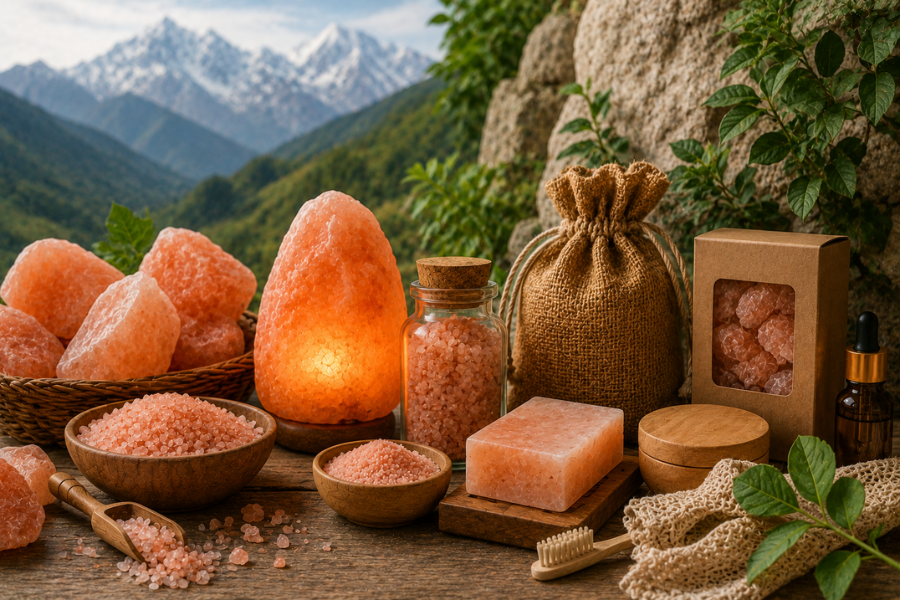
Sustainable product markets focus not only on where materials come from but also on how they are transformed into finished goods. Himalayan salt demonstrates how a natural resource can be developed into multiple products while maintaining its original identity. Manufacturers create a wide range of products, including edible salts, salt lamps, bricks, tiles, slabs, and wellness items. This versatility allows businesses to use one natural resource across different industries instead of relying on artificial alternatives. Product developers can design solutions that highlight the natural beauty and characteristics of Himalayan salt while meeting modern consumer needs. Many companies also focus on efficient processing methods, careful cutting techniques, and quality control to reduce unnecessary waste during production. The ability to create different products from Himalayan salt helps support a market where natural materials are valued for their flexibility and long-term usefulness. This approach aligns with consumer preferences for products that have purpose, durability, and authentic origins.
Himalayan Salt in Eco-Friendly Home and Interior Design
The interior design industry has experienced growing interest in natural materials, and Himalayan salt has become a popular choice for creating unique spaces. Modern homeowners and designers increasingly prefer materials that bring natural textures, colors, and organic elements into interiors. Himalayan salt products such as lamps, bricks, tiles, and decorative panels provide these qualities while offering a distinctive appearance. Unlike mass-produced decorative materials, each piece of Himalayan salt has natural variations in color and texture, making every installation unique. This characteristic supports the trend toward personalized and nature-inspired interior design. Designers often combine Himalayan salt with materials such as wood, stone, and plants to create warm and balanced environments. Luxury homes, hotels, restaurants, and wellness spaces use Himalayan salt features to create memorable designs that reflect natural beauty. As eco-conscious design continues growing, Himalayan salt remains a valuable material for projects focused on authenticity and connection with nature.
Supporting the Natural Wellness Industry
The wellness industry is another important market where Himalayan salt supports the demand for natural products. Modern consumers are increasingly interested in creating relaxing environments and incorporating natural elements into their wellness routines. Himalayan salt products such as bath salts, lamps, and decorative salt installations have become popular because they represent simplicity, nature, and traditional practices. Wellness centers, spas, and luxury retreats often use Himalayan salt features to create visually appealing spaces that encourage relaxation and comfort. The natural colors and textures of Himalayan salt make it suitable for wellness-focused designs where atmosphere and experience are important. While wellness trends continue evolving, consumers consistently show interest in products that feel authentic and connected to natural sources. Himalayan salt supports this movement by providing businesses with a material that aligns with modern preferences for natural living. Its role in wellness markets demonstrates how traditional resources can become valuable components of contemporary lifestyle choices.
Himalayan Salt and Sustainable Culinary Trends
The food industry has also embraced natural product trends, and Himalayan salt has become an important part of this movement. Consumers increasingly prefer ingredients that are minimally processed, naturally sourced, and connected to traditional production methods. Himalayan salt meets these expectations through its natural appearance and unique origin. Restaurants, chefs, and food brands use Himalayan salt to create premium culinary experiences while highlighting natural ingredients. Products such as fine salt, coarse salt, seasoning blends, and cooking slabs allow businesses to offer diverse options to customers. The popularity of farm-to-table dining and clean-label food products has further increased interest in natural ingredients like Himalayan salt. Consumers often appreciate products that have a story behind them, and Himalayan salt provides a strong connection between ancient geological history and modern cooking. As sustainable food markets continue expanding, Himalayan salt remains a valuable ingredient that represents quality, authenticity, and natural sourcing.
Reducing Dependence on Artificial Decorative Materials
Himalayan salt also contributes to sustainable lifestyle markets by offering an alternative to synthetic decorative materials. Many modern consumers are moving away from artificial products and choosing materials that have natural textures, colors, and origins. Himalayan salt provides an organic option for creating decorative items, architectural features, and lifestyle products. Salt lamps, sculptures, bricks, and panels allow designers and consumers to incorporate natural elements into their spaces without relying entirely on manufactured materials. The unique appearance of Himalayan salt reduces the need for artificial finishes or decorative effects because the material already provides natural beauty. This aligns with a broader movement toward authentic design and responsible consumption. Businesses that offer Himalayan salt products can appeal to customers seeking meaningful alternatives to conventional decorative items. As sustainable design continues influencing consumer choices, natural materials like Himalayan salt are becoming increasingly valuable in global markets.
Himalayan Salt’s Role in Supporting Global Trade
The international demand for Himalayan salt has created opportunities for businesses, manufacturers, and exporters around the world. Countries importing Himalayan salt products use them in food, wellness, hospitality, agriculture, and lifestyle industries. This global trade supports businesses involved in mining, processing, packaging, manufacturing, and distribution. The growth of private-label and customized Himalayan salt products has also allowed companies to create specialized offerings for different markets. Exporters can provide products tailored to customer needs, including packaging options, sizes, and designs. This flexibility has helped Himalayan Salt become a strong example of how a natural resource can participate successfully in modern international markets. The continued growth of demand demonstrates that consumers value products with natural origins and unique characteristics. By connecting traditional resources with global business opportunities, Himalayan Salt supports economic activity while maintaining its position as a natural product.
Why Consumers Prefer Natural Himalayan Salt Products
Consumer preferences are changing as more people look for products that reflect natural lifestyles and responsible choices. Himalayan salt appeals to these consumers because it combines practical uses with natural beauty and authenticity. Whether purchased for cooking, wellness, home decoration, or business purposes, Himalayan Salt products provide a sense of connection to nature. Many buyers appreciate that each product has unique characteristics created through natural geological processes. This individuality makes Himalayan Salt different from many standardized products available in the market. Consumers also value the versatility of Himalayan salt because one natural resource can serve multiple purposes across different aspects of life. From kitchens and restaurants to homes and wellness spaces, Himalayan salt allows people to incorporate natural elements into everyday environments. This growing preference for meaningful and authentic products continues to support the expansion of Himalayan salt markets worldwide.
The Future of Himalayan Salt in Sustainable Markets
The future of Himalayan salt looks promising as global markets continue moving toward natural, authentic, and sustainable products. Consumers are expected to maintain their interest in materials that offer transparency, unique origins, and practical value. Businesses are likely to continue developing new Himalayan salt products for food, wellness, design, and lifestyle applications. Innovations in manufacturing, packaging, and customization will create additional opportunities for brands and suppliers. As sustainable living becomes a stronger influence on purchasing decisions, natural resources like Himalayan Salt will continue gaining importance. Its ability to adapt to different industries while maintaining its original identity makes it a valuable product for future markets. Himalayan salt represents how ancient natural materials can successfully meet modern consumer demands while supporting industries focused on authenticity and responsible choices.
Conclusion
Himalayan salt plays an important role in sustainable and natural product markets because it represents authenticity, natural origin, and versatile applications. From culinary products and wellness solutions to eco-inspired interiors and global trade opportunities, Himalayan Salt continues expanding across multiple industries. Its unique characteristics allow businesses to create products that connect with consumers seeking natural and meaningful choices. As the world continues shifting toward sustainable lifestyles and responsible consumption, Himalayan salt remains a valuable example of how traditional resources can support modern markets. By combining ancient geological history with contemporary innovation, Himalayan salt has become more than a natural material; it has become part of a global movement toward natural living and sustainable product choices.