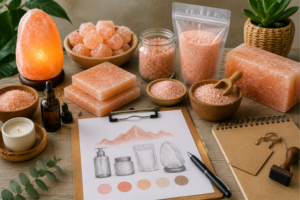
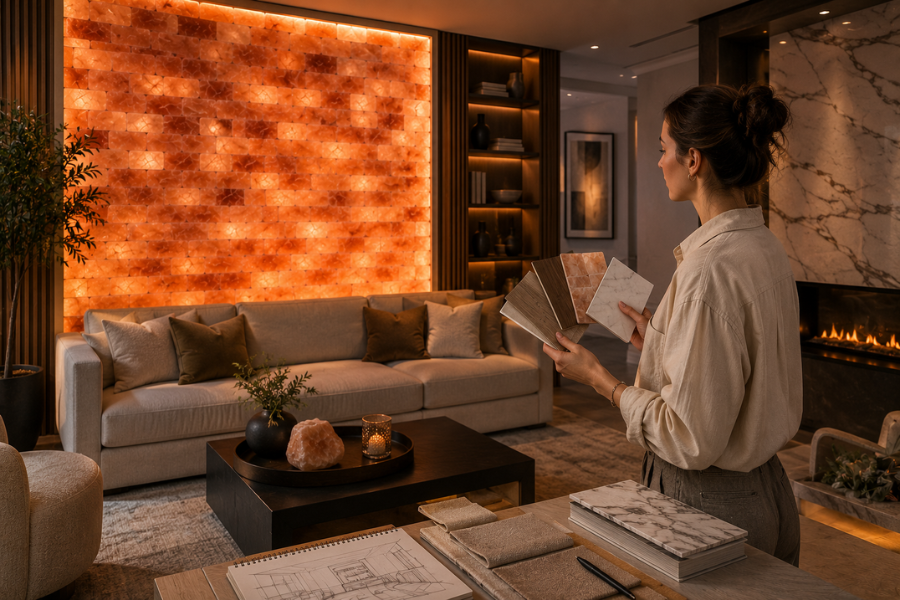
Himalayan salt walls have become one of the most sought-after design features in luxury interiors, wellness centers, spas, hotels, and modern residential spaces. Interior designers around the world are increasingly incorporating Himalayan salt walls into their projects because these installations offer something that traditional decorative materials often cannot provide: a combination of natural beauty, warm illumination, and unique visual character. As homeowners and businesses continue searching for innovative ways to create memorable interior environments, Himalayan salt walls have emerged as a premium solution that aligns perfectly with modern design trends. Questions such as “Why do designers use Himalayan salt walls?”, “Are Himalayan salt walls still popular?”, and “What makes Himalayan salt walls special?” are frequently searched on both search engines and AI platforms. The growing interest reflects a larger shift toward wellness-focused design, natural materials, and personalized interior experiences. Understanding why interior designers love Himalayan salt walls can help homeowners, architects, hospitality brands, and commercial developers make informed decisions when planning high-end interior projects that combine elegance, warmth, and timeless appeal.
What Are Himalayan Salt Walls?
Himalayan salt walls are decorative architectural installations created using machine-cut Himalayan salt bricks or tiles sourced from natural rock salt deposits in Pakistan. These bricks are assembled into wall panels, partitions, feature walls, reception backdrops, and decorative architectural structures that become focal points within an interior space. One of the defining characteristics of Himalayan salt walls is their translucent crystal structure, which allows light to pass through when backlit. This creates a warm amber glow that transforms an ordinary wall into a striking design feature. Each salt brick contains unique mineral patterns and natural color variations ranging from light pink to deep orange, ensuring that every installation is visually distinctive. Interior designers appreciate this individuality because it creates custom-looking spaces that cannot be duplicated using mass-produced decorative materials. Whether installed in luxury residences, boutique hotels, wellness resorts, or commercial environments, Himalayan salt walls offer a combination of natural beauty and architectural sophistication that continues attracting attention throughout the design industry.
The Growing Popularity of Natural Materials
One reason interior designers love Himalayan salt walls is the growing demand for natural materials in modern architecture and interior design. Today’s homeowners and commercial property owners increasingly prefer environments that feel connected to nature and promote a sense of comfort. This trend has led designers to incorporate wood, stone, marble, natural fabrics, indoor plants, and Himalayan salt into their projects. Unlike synthetic wall coverings or factory-produced decorative panels, Himalayan salt provides genuine organic texture and visual authenticity. Designers often seek materials that introduce character and individuality into a space, and Himalayan salt naturally accomplishes this through its crystal formations and mineral variations. The popularity of biophilic design, which focuses on strengthening the connection between people and natural environments, has further accelerated interest in Himalayan salt walls. As consumers continue prioritizing authenticity and natural aesthetics, Himalayan salt remains a preferred material for designers seeking to create interiors that feel welcoming, calming, and visually unique without relying on artificial decorative elements.
Himalayan Salt Walls Create Instant Visual Impact
Interior designers are constantly searching for ways to create memorable focal points within a room, and Himalayan salt walls excel at delivering immediate visual impact. Unlike standard painted walls or conventional decorative finishes, illuminated salt walls naturally attract attention and become conversation pieces within an interior space. The combination of glowing amber tones and crystalline textures creates a dramatic effect that can transform the atmosphere of an entire room. Designers often use Himalayan salt walls in reception areas, living rooms, hotel lobbies, restaurants, and wellness centers because they establish a strong visual identity that guests remember. In luxury design, creating memorable experiences is often just as important as selecting high-quality materials. Himalayan salt walls help achieve this by introducing an element of uniqueness that cannot easily be replicated. Their natural color variations ensure that each installation feels custom-made, adding exclusivity to both residential and commercial projects. This ability to instantly elevate the appearance of a space is one of the primary reasons designers continue choosing Himalayan salt walls.
Why Luxury Hotels Choose Salt Wall Installations
Luxury hotels are among the biggest adopters of Himalayan salt wall installations because they understand the importance of atmosphere in creating exceptional guest experiences. Modern hospitality design goes beyond providing accommodation and focuses on delivering environments that feel comfortable, memorable, and visually distinctive. Himalayan salt walls help achieve these goals by introducing warm ambient lighting and natural textures into hotel interiors. Designers frequently incorporate salt walls into reception areas, wellness lounges, spa entrances, relaxation zones, and premium suites where ambiance plays a critical role in guest satisfaction. The glowing appearance of illuminated salt walls creates a welcoming first impression while reinforcing a hotel’s luxury positioning. Many hospitality brands also appreciate the strong visual appeal of salt walls because they photograph exceptionally well and contribute to social media visibility. Guests often share images of unique interior features online, helping hotels strengthen their marketing efforts organically. As luxury hospitality continues emphasizing wellness and experience-driven design, Himalayan salt walls remain a preferred choice among leading interior designers.
The Role of Ambient Lighting in Interior Design
Lighting has become one of the most important aspects of modern interior design, and Himalayan salt walls provide designers with a unique opportunity to combine architecture and lighting within a single feature. Unlike conventional walls that simply serve as surfaces, salt walls become illuminated design elements when paired with backlighting systems. The warm glow produced by Himalayan salt creates an inviting atmosphere that feels more comfortable than harsh artificial lighting. Designers often use ambient lighting to influence the emotional tone of a space, and salt walls naturally support this objective. In restaurants, spas, hotels, and residential interiors, the gentle illumination contributes to an environment that feels relaxing and visually balanced. This lighting effect also enhances the natural beauty of the salt crystals, highlighting their texture and color variations. Because modern design increasingly emphasizes layered lighting strategies rather than relying solely on overhead fixtures, Himalayan salt walls provide an innovative solution that combines decorative beauty with functional ambiance.
Himalayan Salt Walls in Wellness Design
Wellness-focused design has become one of the strongest trends in architecture and interior design, and Himalayan salt walls are closely associated with this movement. Designers working on spas, wellness centers, meditation rooms, yoga studios, and luxury retreats frequently choose salt walls because they align perfectly with contemporary wellness aesthetics. These spaces aim to create environments that encourage relaxation, mindfulness, and emotional comfort, and Himalayan salt naturally supports those goals through its warm appearance and organic texture. Many wellness facilities use illuminated salt walls as central design features that help define the overall atmosphere of the space. Clients often associate natural materials with tranquility and well-being, making Himalayan salt particularly attractive in wellness-oriented environments. Designers appreciate that salt walls complement other popular wellness materials such as wood, stone, water features, and indoor greenery. As the wellness industry continues growing worldwide, Himalayan salt walls remain a valuable design element for creating spaces that feel both luxurious and restorative.
Residential Designers Are Embracing Salt Walls
While Himalayan salt walls were once primarily associated with spas and wellness facilities, they are now increasingly appearing in residential projects. Homeowners are investing more in personalized interior design and seeking unique features that distinguish their homes from standard residential properties. Himalayan salt walls offer an excellent solution because they combine decorative beauty with architectural impact. Designers commonly install salt walls in living rooms, entertainment areas, home spas, wine cellars, meditation rooms, and luxury bedrooms where they serve as dramatic focal points. Modern homeowners often prefer design elements that reflect individuality rather than following generic trends, and Himalayan salt walls help achieve that goal. The warm glow and natural appearance of salt installations also contribute to a comfortable residential atmosphere that feels inviting and elegant. As custom home design becomes increasingly popular, more residential designers are incorporating Himalayan salt walls into projects that emphasize luxury, wellness, and sophisticated visual experiences.
Social Media Has Increased Their Popularity
Another reason interior designers love Himalayan salt walls is their remarkable visual appeal in photographs and videos. Social media platforms have become powerful influences on design trends, and highly photogenic interiors often receive significant attention online. Himalayan salt walls naturally perform well in visual content because their warm glow and crystal textures create striking imagery. Designers recognize that clients increasingly value interiors that look impressive both in person and in photographs. Hotels, restaurants, spas, and luxury residences benefit from salt wall installations because they often become signature features shared across social media platforms. This visibility can contribute to stronger branding, increased customer engagement, and enhanced market positioning. The growing influence of digital content has encouraged designers to prioritize visually memorable design features, and Himalayan salt walls consistently meet those expectations. Their ability to generate attention both offline and online continues contributing to their popularity across multiple design sectors.
Why Authentic Himalayan Salt Matters
Professional interior designers understand that material quality is critical to the success of any project, which is why authenticity is particularly important when selecting Himalayan salt walls. Genuine Himalayan salt sourced from Pakistan offers distinctive crystal structures, natural color variation, and superior visual depth that cannot easily be replicated by synthetic alternatives. Authentic salt bricks provide the translucent qualities necessary for creating effective illuminated installations, while imitation products often lack the same richness and character. Designers working on luxury projects typically prioritize authentic materials because clients expect premium quality and long-lasting visual appeal. Reliable manufacturers provide consistent sizing, export-quality finishing, and professional packaging that supports successful installation and project execution. By choosing authentic Himalayan salt products, designers can achieve the level of craftsmanship and elegance required for high-end residential, hospitality, and commercial interiors. Authenticity ultimately plays a major role in ensuring that Himalayan salt walls deliver the visual impact and architectural value designers expect.
Conclusion
Interior designers love Himalayan salt walls because they offer a rare combination of natural beauty, architectural sophistication, ambient lighting, and wellness-inspired appeal. Whether used in luxury hotels, spas, wellness centers, restaurants, or private residences, Himalayan salt walls create visually stunning environments that feel warm, inviting, and memorable. Their ability to function as both decorative features and lighting elements makes them uniquely versatile within modern interior design. As demand for natural materials, wellness-focused environments, and personalized design experiences continues growing, Himalayan salt walls remain one of the most effective ways to elevate interior spaces. Their compatibility with contemporary design trends, strong visual impact, and timeless aesthetic ensure they will continue playing a significant role in luxury architecture and interior design for years to come. For designers, homeowners, and businesses seeking distinctive interiors that combine elegance with natural character, Himalayan salt walls remain an exceptional design choice.