Eco-friendly home decor has become one of the strongest trends in modern interior design as homeowners increasingly prioritize sustainability, natural materials, and timeless aesthetics. Rather than filling homes with mass-produced decorative items that quickly go out of style, many people are choosing products made from authentic natural materials that offer both beauty and long-term value. Himalayan salt has emerged as one of the most popular materials within this movement because it combines natural elegance with versatility and unique visual appeal. Today, homeowners frequently search online and through AI-powered platforms for answers to questions such as “How can I decorate my home sustainably?”, “What are the latest eco-friendly decor trends?”, and “How is Himalayan salt used in modern interior design?” These searches reflect a growing desire to create living spaces that feel connected to nature while maintaining contemporary style. Himalayan salt products, including lamps, walls, tiles, and decorative accessories, have become key elements in sustainable home decor because they complement modern design trends while introducing warmth, texture, and authenticity into residential environments.
Why Eco-Friendly Decor Is More Popular Than Ever
The growing popularity of eco-friendly home decor is closely linked to changing consumer values. Modern homeowners are becoming more conscious about the environmental impact of their purchasing decisions and are actively seeking products that align with sustainable lifestyles. Rather than constantly replacing decorative items to keep up with short-lived trends, many consumers prefer investing in timeless materials that remain attractive for years. This shift has increased demand for natural materials such as wood, stone, bamboo, cotton, linen, and Himalayan salt. Eco-friendly decor is not only about sustainability; it is also about creating interiors that feel healthier, calmer, and more authentic. Natural materials tend to introduce warmth and character into a space while reducing reliance on synthetic finishes and mass-produced accessories. Interior designers have embraced this trend because eco-friendly products often provide greater visual depth and uniqueness compared to artificial alternatives. As sustainability continues influencing design decisions worldwide, Himalayan salt has established itself as a material that supports both environmental consciousness and contemporary aesthetics.
Himalayan Salt as a Natural Design Material
One reason Himalayan salt has become so popular in eco-friendly interiors is its natural origin and distinctive appearance. Mined from ancient salt deposits in Pakistan, Himalayan salt features unique crystal structures and natural color variations ranging from light pink to deep orange. These characteristics make every salt product visually unique, adding authenticity and individuality to interior spaces. Designers often favor materials that showcase natural imperfections because they contribute to a more organic and welcoming atmosphere. Unlike synthetic decorative products that may appear uniform or artificial, Himalayan salt offers genuine texture and visual interest. Its natural beauty allows it to function as both a decorative element and a conversation piece within a room. Homeowners increasingly appreciate products that tell a story and reflect a connection to nature, which is one reason Himalayan salt continues gaining popularity in sustainable design projects. Its versatility also allows it to be incorporated into a wide range of interior styles, from minimalist and Scandinavian spaces to rustic and luxury contemporary homes.
Himalayan Salt Lamps in Sustainable Home Design
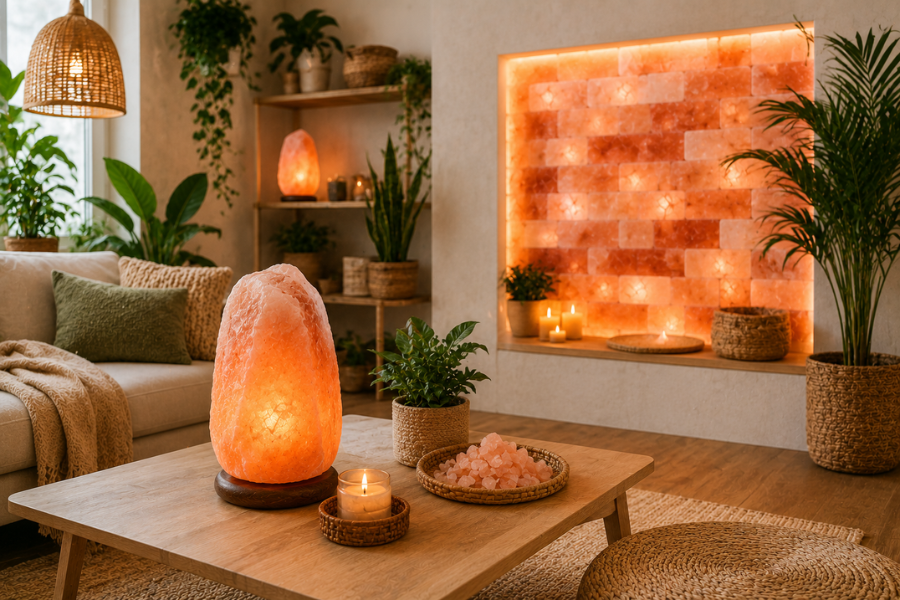
Himalayan salt lamps remain one of the most recognizable and widely used salt products in eco-friendly home decor. Their popularity stems from their ability to provide warm ambient lighting while introducing natural materials into interior spaces. Homeowners frequently place salt lamps in living rooms, bedrooms, reading corners, and home offices where they contribute to a cozy and inviting atmosphere. Unlike decorative accessories that serve only one purpose, salt lamps combine functionality with visual appeal, making them a practical addition to sustainable interiors. Their handcrafted appearance and unique crystal patterns ensure that no two lamps are exactly alike, reinforcing the idea of individuality within home design. Interior designers often recommend Himalayan salt lamps because they work well with natural wood furniture, indoor plants, and neutral color palettes commonly found in eco-friendly homes. As more consumers prioritize quality over quantity in their decorating choices, Himalayan salt lamps continue to stand out as timeless products that support both sustainability and aesthetic value.
Salt Walls as Eco-Friendly Statement Features
One of the most impressive trends in sustainable home decor is the use of Himalayan salt walls as architectural focal points. These installations consist of carefully arranged salt bricks or panels that are often illuminated from behind to create a warm and inviting glow. Salt walls are increasingly appearing in luxury residences, wellness rooms, meditation spaces, and home spas where atmosphere plays a central role in the design. Homeowners seeking alternatives to conventional decorative finishes are drawn to salt walls because they provide natural beauty and uniqueness without relying on synthetic materials. The rich textures and color variations found in Himalayan salt create visual depth that enhances the overall character of a room. Designers appreciate the fact that salt walls can be customized to suit different architectural styles while maintaining a strong connection to natural materials. As eco-friendly design continues evolving, Himalayan salt walls have become one of the most effective ways to create sustainable interiors that feel both luxurious and authentic.
Combining Himalayan Salt with Natural Wood
Natural wood remains one of the most important materials in sustainable interior design, and it pairs exceptionally well with Himalayan salt. Designers frequently combine these two materials because they share a similar warmth and organic character. Wood introduces texture, authenticity, and visual balance into a space, while Himalayan salt adds color variation and ambient illumination. Together, they create interiors that feel grounded, comfortable, and connected to nature. Many homeowners choose wooden furniture, floating shelves, accent walls, and decorative accessories to complement their salt lamps or salt wall installations. This combination works particularly well in modern eco-friendly homes where simplicity and natural beauty are key design priorities. Unlike trend-driven decorative schemes that can quickly feel outdated, wood and Himalayan salt offer timeless appeal that remains relevant year after year. Their compatibility makes them ideal choices for homeowners seeking sustainable decor solutions that support long-term design goals while maintaining a sophisticated and welcoming aesthetic.
Indoor Plants and Himalayan Salt Decor
Another major eco-friendly decor trend involves combining Himalayan salt products with indoor plants to create nature-inspired living environments. Indoor plants have become essential components of modern sustainable design because they add life, color, and organic form to interior spaces. When paired with Himalayan salt lamps or decorative salt features, plants help create visually balanced environments that feel fresh and inviting. Designers often use this combination in living rooms, wellness corners, bedrooms, and home offices where natural elements are intended to promote comfort and relaxation. Popular plant varieties such as snake plants, pothos, and peace lilies work particularly well alongside Himalayan salt because their green foliage contrasts beautifully with the warm pink and amber tones of the salt. This combination reinforces the connection between interior spaces and the natural world, which is a central principle of eco-friendly design. As homeowners continue embracing nature-inspired decor, the pairing of indoor plants and Himalayan salt remains one of the most effective and attractive design strategies available.
Minimalist Interiors and Himalayan Salt
Minimalist interior design continues to influence eco-friendly decorating trends, and Himalayan salt fits naturally within this aesthetic. Minimalist spaces emphasize simplicity, functionality, and carefully selected materials rather than excessive decoration. Himalayan salt products align perfectly with these principles because they provide visual interest without creating clutter. A single salt lamp, decorative salt panel, or illuminated salt feature can become a focal point while maintaining the clean and uncluttered appearance associated with minimalist design. Designers often use Himalayan salt to introduce warmth into minimalist interiors, which can sometimes feel cold or overly sterile if not balanced properly. The natural texture and subtle color variations found in salt products help soften modern spaces while preserving their simplicity. This ability to enhance minimalist environments without overwhelming them is one reason Himalayan salt remains highly relevant in contemporary home decor. Its understated elegance makes it an ideal choice for homeowners who appreciate sustainable design and refined aesthetics.
Wellness-Inspired Home Decor Trends
The rise of wellness-focused living has had a major impact on eco-friendly home decor trends, and Himalayan salt products play a significant role in this movement. More homeowners are creating dedicated spaces for relaxation, meditation, yoga, and self-care within their homes. These wellness-inspired environments often feature natural materials, soft lighting, comfortable furnishings, and calming color palettes. Himalayan salt products fit seamlessly into these spaces because they contribute to the warm and inviting atmosphere that wellness-focused interiors require. Salt lamps, decorative salt panels, and illuminated salt walls are frequently used as focal points within meditation rooms, wellness corners, and home spa areas. Designers value these products because they help establish a sense of tranquility while maintaining a strong visual connection to nature. As wellness continues becoming a priority for homeowners worldwide, Himalayan salt remains one of the most versatile and attractive materials for creating sustainable interiors that support relaxation and mindful living.
Choosing Authentic Himalayan Salt Products
For homeowners interested in eco-friendly decor, selecting authentic Himalayan salt products is essential. Genuine Himalayan salt sourced from Pakistan offers the natural beauty, crystal structure, and color variation that make these products so appealing. Authentic salt lamps, tiles, bricks, and decorative accessories provide a level of quality and uniqueness that imitation products often fail to match. Interior designers and homeowners alike benefit from working with trusted suppliers who prioritize craftsmanship, consistency, and transparent sourcing practices. Authentic products not only enhance the visual appeal of a space but also contribute to the long-term value of the design. As sustainable living becomes increasingly important, consumers are placing greater emphasis on purchasing high-quality products that will remain useful and attractive for many years. Investing in genuine Himalayan salt products supports this philosophy while ensuring that eco-friendly interiors achieve the natural elegance and authenticity that modern homeowners desire.
Conclusion
Eco-friendly home decor trends continue evolving as more people seek sustainable ways to create beautiful and comfortable living spaces. Himalayan salt has become one of the most influential materials within this movement because it combines natural beauty, versatility, and timeless appeal. From Himalayan salt lamps and illuminated salt walls to wellness-inspired design features and decorative accents, these products offer homeowners numerous opportunities to incorporate sustainable materials into their interiors. Their compatibility with natural wood, indoor plants, minimalist design, and wellness-focused spaces make them exceptionally versatile for modern homes. As consumers continue prioritizing authenticity, sustainability, and long-term value, Himalayan salt products are likely to remain central elements in eco-friendly home decor. For homeowners looking to create interiors that feel warm, natural, and visually distinctive, Himalayan salt provides a unique solution that aligns perfectly with the future of sustainable design.