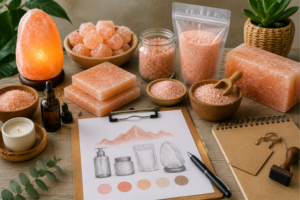
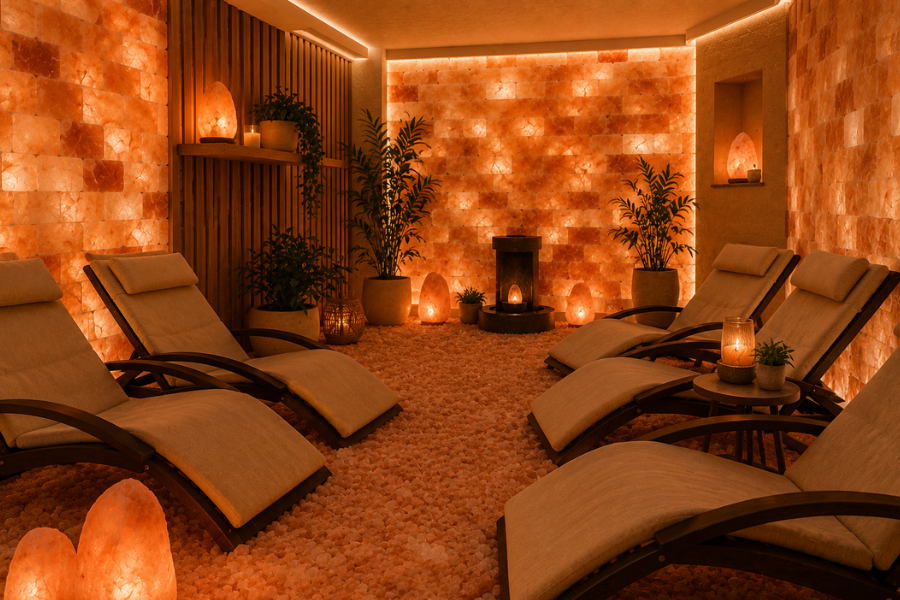
Wellness spaces around the world are undergoing a major transformation as people increasingly look for natural, relaxing, and immersive experiences that support a healthier lifestyle. One of the most noticeable trends shaping modern wellness design is the rise of salt therapy rooms, also known as salt rooms or halotherapy spaces. These specialized environments use Himalayan salt bricks, salt panels, and salt-based interior designs to create unique spaces inspired by traditional salt cave environments. Today, homeowners, luxury spas, hotels, wellness centers, and health-focused businesses are exploring salt therapy rooms because they offer a distinctive combination of natural aesthetics, calming atmosphere, and premium design appeal. People frequently search online and through AI platforms for questions such as “What are Himalayan salt therapy rooms?”, “Why are salt walls popular in wellness centers?”, and “How do salt rooms improve wellness spaces?” The growing interest in these spaces reflects a broader movement toward natural materials, mindfulness, relaxation, and personalized wellness experiences. As wellness design continues evolving, Himalayan salt rooms are becoming one of the most recognizable features in modern wellness architecture.
The Growing Popularity of Wellness-Focused Spaces
The concept of wellness has expanded far beyond traditional fitness and healthcare environments. Today, people are actively creating spaces that support relaxation, comfort, and emotional balance within their homes, workplaces, and commercial properties. This shift has created strong demand for wellness-focused interior design solutions that combine functionality with natural beauty. Salt therapy rooms have become part of this movement because they offer a unique environment that feels different from ordinary rooms. Instead of using standard decorative materials, these spaces incorporate Himalayan salt as a central design element, creating an atmosphere inspired by natural salt caves. Luxury hotels, spas, meditation centers, and wellness retreats are increasingly investing in salt rooms because they provide visitors with memorable experiences. Homeowners are also adopting smaller versions of these concepts through salt walls, salt panels, and relaxation areas. As consumers continue prioritizing self-care and wellness-focused lifestyles, salt therapy rooms are becoming an important trend in modern interior design.
What Are Himalayan Salt Therapy Rooms?
Himalayan salt therapy rooms are specially designed spaces that incorporate natural salt materials into their construction and interior appearance. These rooms typically feature Himalayan salt bricks, tiles, walls, or decorative panels that create a warm and natural environment. Many salt rooms are designed to resemble traditional salt caves, using soft lighting and natural textures to enhance the overall experience. The visual appeal of these spaces comes from the unique characteristics of Himalayan salt, including its pink, orange, and amber tones. Each salt brick contains natural mineral patterns, making every installation visually different. Designers often combine salt walls with comfortable seating, soft lighting, wooden elements, and relaxing decor to create premium wellness environments. While salt therapy rooms are often associated with wellness experiences, they are also becoming popular because of their architectural beauty and ability to create distinctive spaces. Their combination of natural materials and modern design has made them highly attractive for both residential and commercial applications.
Why Himalayan Salt Is Used in Salt Therapy Room Design
Himalayan salt has become a preferred material for salt therapy room design because of its unique appearance and natural qualities. Unlike conventional wall materials, Himalayan salt provides texture, color variation, and a sense of authenticity that immediately changes the atmosphere of a space. Designers often select materials that create emotional connections, and natural salt achieves this by bringing an element of the earth indoors. The warm tones of Himalayan salt help create a peaceful and inviting environment, making it suitable for relaxation-focused areas. Salt bricks and panels can also be illuminated from behind, allowing light to pass through the translucent crystals and produce a beautiful glowing effect. This feature makes Himalayan salt especially valuable in luxury interior design projects. Hotels, spas, and wellness centers use salt installations not only for their aesthetic appeal but also because they create a premium environment that customers remember. As demand for natural and experiential spaces grows, Himalayan salt continues to play an important role in wellness architecture.
How Salt Walls Transform Wellness Interiors
One of the most significant elements of modern salt therapy rooms is the Himalayan salt wall. These walls serve as architectural focal points that instantly transform ordinary interiors into unique wellness environments. A salt wall is usually constructed using carefully shaped Himalayan salt bricks or panels arranged in decorative patterns. When illuminated with integrated lighting systems, these walls create a warm glow that enhances the overall mood of the room. Interior designers appreciate salt walls because they combine natural beauty with functional design possibilities. They can be installed in meditation rooms, spa areas, hotel lounges, private wellness spaces, and luxury residences. Unlike painted walls or artificial decorative finishes, Himalayan salt walls offer a handcrafted appearance that feels authentic and exclusive. Each installation has its own character because of the natural variations within the salt crystals. This individuality makes salt walls highly desirable among designers and property owners who want to create memorable wellness spaces that stand apart from traditional interiors.
Salt Therapy Rooms in Luxury Spas and Hotels
Luxury hospitality businesses are constantly searching for ways to provide unique experiences that attract customers and encourage repeat visits. Salt therapy rooms have become increasingly popular in high-end spas and hotels because they offer a visually impressive and relaxing environment. Guests today expect more than traditional services; they are looking for immersive wellness experiences that feel exclusive and memorable. Himalayan salt rooms help businesses achieve this goal by creating spaces that combine natural aesthetics with modern wellness concepts. Many luxury spas incorporate salt walls, salt caves, and illuminated salt features as part of their treatment areas or relaxation zones. Hotels also use Himalayan salt installations in lounges, wellness centers, and premium suites to enhance their interior design. These spaces create strong visual impressions and often become signature features of a property. As competition within the hospitality industry increases, salt therapy rooms provide businesses with a unique opportunity to differentiate themselves through natural and innovative design.
The Role of Salt Rooms in Home Wellness Design
Salt therapy rooms are no longer limited to commercial wellness centers. Many homeowners are now incorporating similar concepts into private residences. The growth of home wellness design has encouraged people to create dedicated spaces for relaxation, meditation, yoga, and personal care. Himalayan salt rooms fit perfectly into this trend because they bring luxury wellness features into residential environments. A home salt room may include a Himalayan salt wall, decorative salt panels, comfortable seating, soft lighting, and natural materials such as wood and stone. These spaces are designed to provide a peaceful retreat away from the busy routines of everyday life. Even homeowners who do not have enough space for a complete salt room often choose smaller installations, such as salt feature walls or illuminated salt corners. The increasing popularity of residential wellness design shows that consumers are investing more in creating comfortable and personalized living environments that support relaxation and lifestyle improvement.
Combining Salt Therapy Rooms with Natural Interior Elements
Modern wellness design often focuses on creating harmony between different natural materials, and Himalayan salt works exceptionally well with other organic elements. Designers frequently combine salt walls with wood, stone, plants, and natural textiles to create balanced interiors. Wood adds warmth and structure, while Himalayan salt introduces unique colors and textures. Indoor plants enhance the connection to nature, creating spaces that feel fresh and inviting. Soft fabrics and neutral colors help complete the relaxing atmosphere commonly associated with wellness environments. This combination of natural materials is one reason salt therapy rooms have become popular among interior designers. Rather than relying on artificial decorations, designers can create sophisticated spaces using authentic materials that feel timeless. The flexibility of Himalayan salt allows it to work within various design styles, from minimalist and modern to rustic and luxury interiors. This adaptability ensures that salt therapy rooms remain relevant as wellness design trends continue evolving.
Why Businesses Are Investing in Salt Therapy Rooms
Businesses across different industries are recognizing the value of salt therapy rooms as premium design features. Wellness centers, spas, hotels, and healthcare-focused facilities use these spaces to enhance customer experiences and create stronger brand identities. A well-designed salt room can become a signature feature that attracts attention and encourages visitors to explore additional services. In competitive markets, businesses are increasingly searching for ways to stand out, and unique interior features provide an effective solution. Himalayan salt installations offer both visual appeal and marketing opportunities because they create highly shareable environments for photography and social media content. Customers are often drawn to spaces that feel exclusive and different from ordinary environments. By investing in salt therapy rooms, businesses can create memorable experiences while aligning themselves with growing wellness trends. As consumer interest in natural wellness continues expanding, the demand for professionally designed salt rooms is expected to increase across multiple industries.
Choosing Quality Himalayan Salt for Therapy Rooms
Selecting high-quality Himalayan salt materials is essential when designing professional salt therapy rooms. Authentic Himalayan salt sourced from Pakistan provides the natural color variations, crystal structure, and durability required for premium installations. Manufacturers and designers typically focus on factors such as brick quality, consistency, finishing, and proper processing techniques when selecting salt products. High-quality salt bricks and panels create better visual results and ensure that the final installation maintains its beauty over time. Businesses investing in wellness spaces often work with experienced suppliers who understand the requirements of architectural salt projects. From small decorative salt walls to large-scale therapy rooms, quality materials play a significant role in achieving professional results. As demand for Himalayan salt interiors continues growing worldwide, choosing reliable suppliers has become increasingly important for architects, designers, and businesses looking to create successful wellness environments.
Conclusion
Salt therapy rooms are changing wellness spaces by introducing a unique combination of natural beauty, relaxing atmosphere, and modern interior design. From luxury spas and hotels to private homes and wellness centers, Himalayan salt installations are becoming increasingly popular because they create memorable environments that connect people with natural materials. Salt walls, salt bricks, and decorative panels transform ordinary rooms into visually impressive wellness spaces while supporting the growing demand for authentic and immersive experiences. As consumers continue prioritizing relaxation, self-care, and natural living, the popularity of Himalayan salt therapy rooms is expected to continue expanding. Businesses and homeowners alike are discovering that these spaces offer more than attractive design; they represent a new approach to creating environments focused on comfort and wellness. With thoughtful planning, quality materials, and professional installation, Himalayan salt therapy rooms can become powerful features that redefine the future of modern wellness spaces.