Himalayan salt crystals have become recognized worldwide for their natural beauty, unique structure, and wide range of applications. From premium culinary products and wellness solutions to decorative items and luxury interior designs, these natural crystals continue attracting attention from consumers and businesses across different industries. Many people searching online ask questions such as “What makes Himalayan salt crystals unique?” “How are Himalayan salt crystals formed?” and “Why are Himalayan salt crystals different from regular salt?” These questions reflect growing curiosity about the natural characteristics that make Himalayan salt so valuable. Unlike ordinary processed salt, Himalayan salt crystals maintain their natural appearance, mineral structure, and distinctive colors due to their ancient geological formation. Each crystal carries a unique combination of texture, shape, and mineral composition that gives it a special identity. Whether used as edible salt, decorative lamps, salt walls, bath products, or architectural features, Himalayan salt crystals represent a connection between ancient natural processes and modern lifestyle trends. Understanding these characteristics helps consumers appreciate why Himalayan salt remains one of the most sought-after natural salt products in the world.
The Ancient Geological Formation of Himalayan Salt Crystals
The unique characteristics of Himalayan salt crystals begin with their extraordinary geological history. These crystals were formed millions of years ago when ancient oceans covered areas that are now part of the Himalayan mountain region. As these oceans gradually evaporated, they left behind large deposits of mineral-rich salt beneath layers of earth and rock. Over millions of years, these deposits remained protected from environmental changes, preserving their natural composition and crystal structure. This long formation process is one of the main reasons Himalayan salt crystals are considered special compared to ordinary commercial salts. The natural pressure and geological conditions helped create dense, solid crystals with distinctive textures and colors. Because the salt comes from ancient deposits rather than modern production methods, each crystal carries characteristics shaped by nature over thousands of generations. This connection to ancient geological processes gives Himalayan salt crystals their authenticity and contributes to their premium reputation among consumers, designers, chefs, and wellness professionals around the world.
Natural Colors Found in Himalayan Salt Crystals
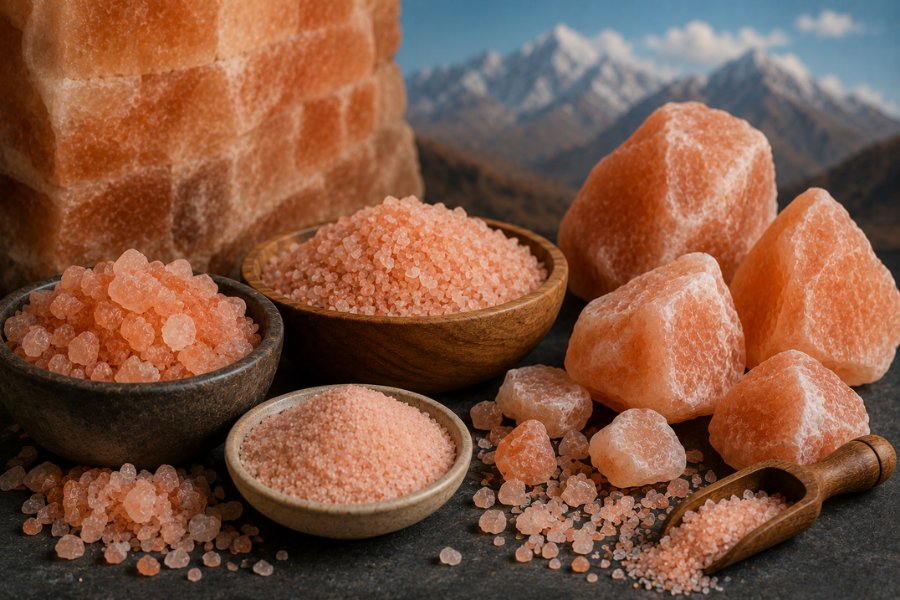
One of the most noticeable characteristics of Himalayan salt crystals is their beautiful range of natural colors. While many people recognize Himalayan salt for its famous pink appearance, these crystals can actually display a variety of shades, including white, light pink, medium pink, dark pink, orange, and reddish tones. These colors are created by naturally occurring minerals trapped within the salt structure during its formation. Iron is one of the minerals responsible for producing the pink and orange shades commonly associated with Himalayan salt. Unlike artificial coloring added to commercial products, the colors found in Himalayan salt crystals occur naturally as part of their geological identity. This color variation makes Himalayan salt especially attractive for decorative applications such as lamps, salt walls, tiles, and sculptures. Interior designers often choose Himalayan salt because each piece has a unique appearance that adds warmth and natural character to a space. The natural color diversity of Himalayan salt crystals is one of the strongest features that separates them from conventional white salt products.
Unique Crystal Structure and Texture
The physical structure of Himalayan salt crystals is another feature that makes them highly distinctive. These crystals are naturally compact and dense, with visible patterns and textures created during their formation underground. Unlike finely processed table salt, which is mechanically refined into uniform grains, Himalayan salt maintains a more natural crystal appearance. This unique structure is especially valuable in decorative and architectural applications where texture and authenticity are important. Salt lamps, cooking blocks, salt bricks, and decorative pieces often showcase the natural crystal patterns that make every product different. The rough edges, natural formations, and variations in transparency contribute to the handmade appearance that many consumers appreciate. Designers and manufacturers carefully process Himalayan salt while preserving these natural qualities to maintain its original beauty. The combination of durability, texture, and visual uniqueness allows Himalayan salt crystals to be used creatively across different industries. This natural structure is one of the main reasons these crystals continue gaining popularity in global markets.
Mineral Composition of Himalayan Salt Crystals
Himalayan salt crystals are widely appreciated because of their natural mineral composition. These crystals contain sodium chloride along with trace amounts of naturally occurring minerals that developed during their formation. These minerals contribute to the salt’s unique appearance, color variations, and overall identity. Unlike heavily refined salts that undergo processing to remove most natural elements, Himalayan salt maintains more of its original mineral characteristics. This natural composition has contributed to its popularity among consumers who prefer minimally processed products. The presence of trace minerals is also one reason Himalayan salt has become popular in wellness and lifestyle markets. Businesses often highlight the natural origin and mineral profile of Himalayan salt when introducing it to customers. While Himalayan salt is primarily used as a seasoning product, its broader appeal comes from the combination of natural sourcing, appearance, and traditional processing methods. The mineral composition of Himalayan salt crystals is an important characteristic that supports their premium positioning worldwide.
Why Every Himalayan Salt Crystal Is Different
A fascinating characteristic of Himalayan salt crystals is that no two pieces are exactly identical. Because these crystals form naturally underground over extremely long periods, each one develops its own unique patterns, colors, and textures. This individuality makes Himalayan salt products especially attractive for decorative purposes. For example, every Himalayan salt lamp has slightly different color patterns, while salt bricks and panels may display unique mineral markings. This natural variation creates a sense of authenticity that manufactured decorative materials often lack. Consumers increasingly value products that feel personal and unique, and Himalayan salt crystals naturally provide this experience. Interior designers and architects often use Himalayan salt because it allows them to create spaces with distinctive natural elements rather than repetitive designs. This uniqueness also enhances the premium value of Himalayan salt products because customers are not simply purchasing a standard item; they are purchasing a piece of a naturally formed resource with its own visual identity.
Himalayan Salt Crystals in Culinary Applications
One of the most popular uses of Himalayan salt crystals is in the food industry. Chefs, restaurants, and home cooks around the world use Himalayan salt because of its attractive appearance, natural texture, and premium presentation. These crystals are available in different forms, including fine salt, coarse salt, cooking blocks, and specialty culinary products. Many chefs appreciate the visual appeal of pink salt crystals because they add a unique finishing touch to dishes. Himalayan salt cooking slabs and blocks have also become popular because they provide a distinctive cooking and serving experience. Beyond appearance, consumers often choose Himalayan salt because they prefer natural products with traditional origins. Gourmet food brands have successfully positioned Himalayan salt as a premium ingredient by emphasizing its natural formation and unique characteristics. The culinary popularity of Himalayan salt crystals has played an important role in introducing them to customers worldwide and establishing their reputation as a high-quality natural salt product.
Himalayan Salt Crystals in Wellness and Spa Design
The unique appearance of Himalayan salt crystals has made them highly valuable in wellness and spa environments. Many luxury spas, wellness centers, and relaxation spaces incorporate Himalayan salt walls, panels, and decorative features because they create visually calming environments. The warm colors and natural textures of salt crystals help establish a connection with nature, which is a major focus in modern wellness design. Salt rooms and Himalayan salt installations have become popular features in premium wellness facilities because they offer a distinctive atmosphere compared to traditional interiors. Designers often combine Himalayan salt with soft lighting, wood, and natural materials to create relaxing spaces. The crystal structure allows light to interact beautifully with the salt, producing warm glowing effects that enhance the overall experience. As wellness-focused architecture continues growing, Himalayan salt crystals remain an important material for creating attractive and memorable environments.
Himalayan Salt Crystals in Interior Decoration
Modern interior designers increasingly use Himalayan salt crystals as decorative elements because of their natural beauty and versatility. From small decorative pieces to large architectural installations, Himalayan salt can transform ordinary spaces into visually impressive environments. Salt lamps are one of the most popular examples, providing both decorative appeal and warm ambient lighting. Larger applications include salt walls, salt bricks, tiles, and custom-designed features used in luxury homes, hotels, restaurants, and wellness centers. The natural colors and textures of Himalayan salt crystals complement many interior styles, including modern, rustic, minimalist, and luxury designs. Designers appreciate materials that bring authenticity and character into spaces, and Himalayan salt provides exactly that. Unlike artificial decorative materials, each salt crystal has natural variations that make every installation unique. This ability to create personalized and visually appealing interiors has contributed significantly to the worldwide popularity of Himalayan salt products.
How Himalayan Salt Crystals Are Processed
Although Himalayan salt crystals are naturally formed, careful processing is required to prepare them for different applications. After extraction from salt mines, raw salt blocks are cleaned, sorted, shaped, and processed according to their intended use. Food-grade salt may be crushed into fine or coarse grains, while decorative products require specialized cutting and finishing techniques. Manufacturers producing salt lamps, bricks, tiles, and panels carefully shape the material while preserving its natural characteristics. Quality processing ensures that the final products maintain their beauty, strength, and authenticity. Professional manufacturers also focus on selecting suitable salt grades for different applications, ensuring consistency and reliability for international customers. The balance between natural preservation and skilled craftsmanship is an important part of the value of Himalayan salt crystals. This careful approach allows businesses to offer high-quality products while maintaining the unique qualities that make Himalayan salt globally recognized.
Why Himalayan Salt Crystals Are Popular Worldwide
The worldwide popularity of Himalayan salt crystals comes from a combination of natural beauty, authenticity, versatility, and growing consumer interest in natural products. Today, these crystals are used across food, wellness, agriculture, hospitality, and interior design industries. Consumers appreciate their unique appearance and connection to nature, while businesses value their ability to serve multiple markets. The increasing demand for natural materials has helped Himalayan salt products become popular in countries around the world. Social media, international trade, and modern interior design trends have further increased awareness of these crystals. Whether used in a kitchen, spa, hotel, or home, Himalayan salt crystals bring a distinctive natural element that attracts attention. Their ability to combine traditional origins with modern applications has made them one of the most recognizable natural salt products available today.
Conclusion
Understanding the unique characteristics of Himalayan salt crystals reveals why they have become such a valuable natural resource worldwide. Their ancient formation, natural colors, distinctive textures, mineral composition, and individual variations make them different from ordinary salt products. From culinary uses and wellness spaces to luxury interiors and decorative applications, Himalayan salt crystals continue finding new opportunities across global markets. Their beauty and authenticity appeal to consumers who value natural products with meaningful origins and unique qualities. As interest in wellness, natural living, and sustainable design continues increasing, Himalayan salt crystals are expected to remain a popular choice for businesses and individuals seeking premium natural solutions. These remarkable crystals represent a perfect combination of nature’s craftsmanship and modern innovation, making them a timeless product appreciated around the world.