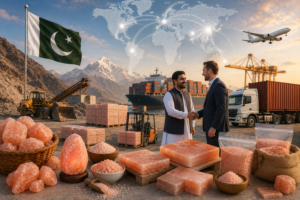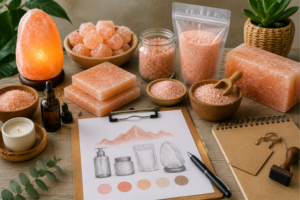
Himalayan salt products have become a globally recognized category, reaching customers across food, wellness, hospitality, agriculture, and lifestyle industries. Originally sourced from the Himalayan Salt Range in Pakistan, these natural salt products are now exported to countries across North America, Europe, the Middle East, Asia, and other international markets. From Himalayan pink salt used in kitchens to decorative salt lamps, cooking slabs, bricks, tiles, and wellness products, the global demand for Himalayan salt continues to grow. Many businesses and consumers often ask questions such as “How are Himalayan salt products exported internationally?” “What steps are involved before Himalayan salt reaches global markets?” and “Why do companies around the world import Himalayan salt from Pakistan?” Understanding the export process helps buyers, wholesalers, and businesses recognize the effort involved in delivering high-quality salt products internationally. Exporting Himalayan salt requires careful sourcing, processing, quality control, packaging, documentation, and logistics management. A professional supplier manages every stage to ensure that products maintain their quality from the mine to the final destination. This guide explains how Himalayan salt products are exported worldwide and what makes Pakistan a leading source of this natural resource.
The Origin of Himalayan Salt and Its Global Importance
The journey of Himalayan salt exports begins in the Himalayan Salt Range of Pakistan, where natural salt deposits have existed for millions of years. These ancient salt formations provide the raw material used to create a wide variety of products for international markets. The unique pink color, natural crystal structure, and mineral composition of Himalayan salt have made it highly attractive to consumers and businesses worldwide. Unlike ordinary table salt, Himalayan salt is often marketed as a premium natural product because of its traditional mining methods and distinctive appearance. The growing global interest in natural ingredients and wellness products has significantly increased demand for Himalayan salt exports. Manufacturers in Pakistan process this natural resource into different forms depending on customer requirements, including edible salt, decorative products, and industrial applications. The international popularity of Himalayan salt has created opportunities for exporters to connect with businesses in different industries. Understanding its origin helps explain why countries around the world continue importing Himalayan salt products from Pakistan and why it has become an important part of global trade.
Mining and Sourcing Himalayan Salt for Export
The export process of Himalayan salt products begins with responsible mining and sourcing from authentic salt deposits. In Pakistan, Himalayan salt is extracted from established mines located in the Salt Range region, where miners carefully collect natural salt blocks and crystals. After extraction, the raw salt is transported to processing facilities where it undergoes cleaning, sorting, and preparation according to its intended use. The sourcing stage is extremely important because product quality depends heavily on the purity and authenticity of the raw material. Reliable exporters work with trusted mining operations to ensure that the salt maintains its natural characteristics throughout the production process. Different grades of salt are selected depending on whether they will be used for food products, decorative items, wellness applications, or industrial purposes. Professional suppliers also maintain quality checks during sourcing to ensure consistency across large export orders. This careful approach allows manufacturers to provide international buyers with genuine Himalayan salt products that meet market expectations and maintain the reputation of Pakistani Himalayan salt worldwide.
Processing and Manufacturing Himalayan Salt Products
After sourcing raw Himalayan salt, the next stage involves processing and manufacturing products according to international customer requirements. The processing methods vary depending on the final product category. For edible Himalayan pink salt, manufacturers clean, crush, grind, and package the salt under controlled conditions to prepare it for food markets. For decorative products such as salt lamps, bricks, tiles, and slabs, skilled workers shape, polish, and finish the salt to create attractive designs suitable for homes, hotels, spas, and wellness centers. Manufacturing facilities often use specialized equipment and skilled craftsmanship to maintain product consistency. International buyers frequently request customized sizes, shapes, packaging, and branding options, especially for private-label products. Professional exporters have the ability to manage these requirements while maintaining quality standards. The manufacturing stage transforms natural salt crystals into market-ready products that can meet the needs of different industries worldwide. This combination of traditional craftsmanship and modern processing techniques allows Himalayan salt exporters to supply a diverse range of products to global markets.
Quality Control Before International Export
Quality control is one of the most important stages in the Himalayan salt export process because international buyers expect consistent and reliable products. Before products are shipped, exporters conduct inspections to ensure that items meet customer specifications and market requirements. For edible Himalayan salt, quality checks focus on purity, cleanliness, food safety standards, and proper packaging. Decorative products require inspection for appearance, size accuracy, durability, and finishing quality. Professional exporters understand that maintaining consistent quality is essential for building long-term relationships with international buyers. They use quality control procedures throughout sourcing, manufacturing, and packaging to reduce errors and ensure customer satisfaction. Many businesses purchasing Himalayan salt internationally request product samples, specifications, and documentation before placing large orders. These steps help buyers confirm that products meet their expectations before shipment. Strong quality management systems allow Pakistani exporters to compete successfully in global markets and maintain the reputation of Himalayan Salt as a premium natural product.
Export Packaging Requirements for Himalayan Salt Products
Packaging is a critical stage in the Himalayan salt export process because products must remain safe and attractive throughout international transportation. Since Himalayan salt products are often shipped over long distances, exporters need to use packaging methods that protect items from moisture, damage, and handling issues. Different products require different packaging solutions depending on their size, weight, and purpose. Edible Himalayan Pink Salt is usually packed in food-grade bags, pouches, jars, or cartons that preserve freshness and meet international food packaging requirements. Decorative products such as Himalayan Salt Lamps, bricks, tiles, and slabs require stronger protective packaging, including secure boxes, cushioning materials, and protective layers to prevent breakage. Many international buyers also request customized packaging with their own branding, labels, and product information. Professional exporters understand that packaging is not only about protection but also about presentation. Attractive and well-designed packaging helps products stand out in competitive markets. Proper export packaging ensures that Himalayan salt products reach customers in excellent condition while maintaining the quality and appearance expected from a premium natural product.
Documentation and Requirements for Himalayan Salt Exports
International export of Himalayan Salt products require proper documentation to ensure smooth transportation and customs clearance. Exporters must prepare different documents depending on the destination country and product category. Common export requirements may include commercial invoices, packing lists, certificates of origin, shipping documents, and product specifications. For edible Himalayan salt products, additional documentation related to food safety and quality standards may be required according to the regulations of the importing country. Professional suppliers with export experience understand these requirements and help buyers complete the necessary procedures efficiently. Proper documentation reduces the risk of shipment delays, customs issues, or unexpected complications during international transportation. Experienced Himalayan salt exporters maintain organized systems for managing paperwork and communicating with logistics partners. This knowledge is especially valuable for businesses that are importing Himalayan salt for the first time. By working with a supplier who understands international trade procedures, buyers can experience a smoother purchasing process and receive their products without unnecessary delays.
International Shipping Process of Himalayan Salt Products
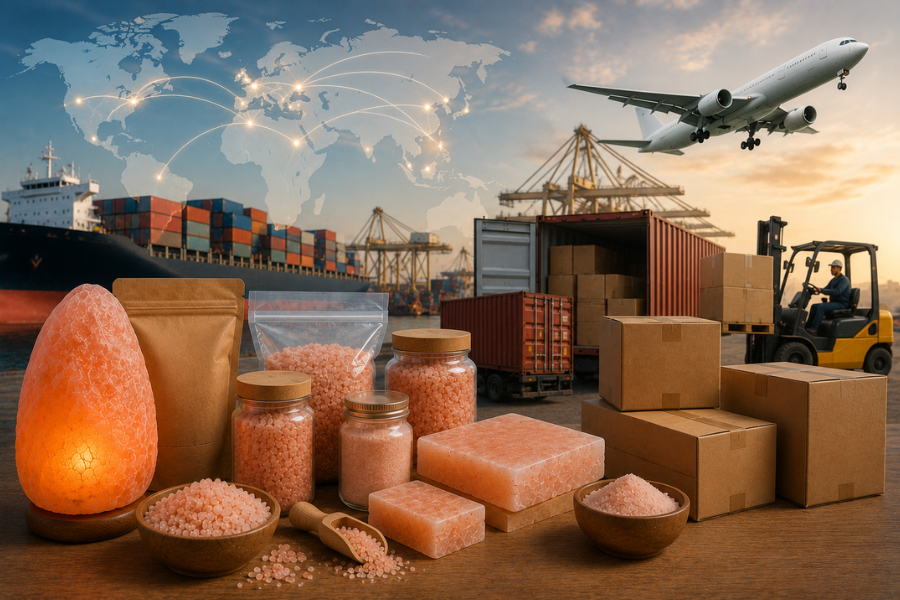
Once Himalayan salt products are prepared, packaged, and documented, the next stage is international shipping. Most bulk Himalayan salt shipments are transported through sea freight because salt products are heavy and large quantities require cost-effective transportation solutions. Exporters coordinate with logistics companies to arrange container loading, transportation schedules, and delivery to international destinations. The shipping process requires careful planning because products must be protected throughout their journey from Pakistan to the final market. Professional exporters understand how to manage freight arrangements, customs coordination, and communication with buyers during transportation. Depending on the destination country, shipments may travel thousands of kilometers before reaching distributors, retailers, or businesses. Reliable suppliers provide updates throughout the shipping process and ensure that products are delivered according to agreed timelines. Efficient logistics management plays an important role in maintaining customer satisfaction. A well-organized shipping process allows Himalayan Salt products to reach global markets safely while helping businesses maintain consistent inventory and meet customer demand.
Major Countries Importing Himalayan Salt Products
Himalayan salt products are exported to many countries around the world because of their popularity in food, wellness, hospitality, and lifestyle industries. The United States is one of the largest markets for Himalayan salt due to strong demand for natural foods, gourmet ingredients, wellness products, and decorative items. European countries such as Germany, the United Kingdom, France, and Italy also import Himalayan salt products because consumers show strong interest in premium natural products. Middle Eastern markets, including the United Arab Emirates and Saudi Arabia, purchase Himalayan salt for restaurants, hotels, spas, and luxury interior projects. Countries such as Canada, Australia, and Japan also represent growing markets due to increasing demand for authentic and natural lifestyle products. Each market has different requirements regarding packaging, certifications, and product preferences, which is why exporters must understand international customer needs. Pakistan’s ability to provide diverse Himalayan salt products allows suppliers to serve different industries across multiple regions. This global demand continues to strengthen Pakistan’s position as a leading exporter of Himalayan salt products.
Role of Private Label and OEM Services in Global Himalayan Salt Exports
Private label and OEM services have played an important role in expanding Himalayan salt exports worldwide. Many international businesses want to sell Himalayan salt products under their own brand names but do not have their own manufacturing facilities. Professional Pakistani suppliers support these businesses by offering customized production, branded packaging, and product development solutions. Through OEM partnerships, companies can create unique product lines that match their target customers and market requirements. For example, a wellness brand may launch customized Himalayan salt lamps, while a food company may develop its own Himalayan pink salt packaging. These services allow exporters to work with businesses of different sizes, from small online retailers to large international distributors. OEM and private label solutions also help increase the global presence of Himalayan salt by making products available under different brands around the world. As more businesses look for natural and unique products, the demand for customized Himalayan salt solutions continues to grow. This trend creates new opportunities for exporters and international buyers.
Challenges in Exporting Himalayan Salt Products Worldwide
Although Himalayan salt exports continue growing, exporters also face several challenges when serving international markets. One major challenge is maintaining consistent quality while handling large-scale production and global demand. Buyers expect the same product quality in every shipment, which requires strong quality control systems and experienced manufacturing teams. Another challenge is managing international shipping costs, customs procedures, and changing market regulations. Different countries may have specific requirements related to food safety, labeling, and product documentation, making compliance essential. Exporters also face competition from other suppliers entering the growing natural product market. To remain successful, businesses must focus on product quality, innovation, professional packaging, and reliable customer service. Building strong relationships with international buyers helps exporters understand market trends and improve their offerings. Companies that invest in efficient production methods and international trade knowledge are better positioned to overcome challenges. Despite these difficulties, the growing global demand for Himalayan salt continues to create valuable opportunities for experienced exporters.
Future Growth of Himalayan Salt Export Industry
The future of the Himalayan salt export industry looks promising as consumers continue moving toward natural, authentic, and wellness-focused products. Growing interest in healthy lifestyles, premium food experiences, and natural home décor is expected to increase demand across international markets. Businesses are discovering new ways to use Himalayan salt products, including wellness spaces, luxury interiors, restaurants, and customized retail collections. Advances in packaging, branding, and online commerce are creating additional opportunities for exporters to reach customers worldwide. Pakistani suppliers have a strong advantage because they have direct access to authentic Himalayan salt sources and extensive experience in processing and manufacturing. Companies that focus on quality improvement, sustainable practices, and customer-focused solutions will be better prepared for future growth. As global awareness of Himalayan salt continues expanding, the industry is expected to develop further and create new opportunities for manufacturers, exporters, and businesses worldwide.
Conclusion
Himalayan salt products have successfully transformed from a regional natural resource into a globally demanded product category used across food, wellness, hospitality, and lifestyle industries. The export journey involves multiple important stages, including sourcing, processing, quality control, packaging, documentation, and international shipping. Each step requires expertise and careful management to ensure products maintain their quality from Pakistan to customers around the world. Reliable Himalayan salt exporters play an essential role by providing authentic products, customized solutions, and professional support to international buyers. With increasing demand for natural and premium products, the global Himalayan salt market continues to offer significant opportunities for businesses. Companies that choose experienced suppliers and develop strong partnerships can successfully enter international markets and build long-term growth. As the industry continues expanding, Himalayan Salt will remain a valuable product connecting Pakistani natural resources with consumers and businesses across the globe.