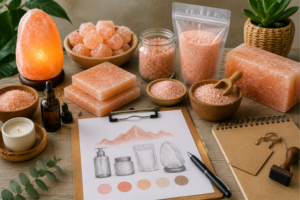

The global Himalayan salt industry has grown significantly over the past several decades, evolving from a traditional mining business into an international market that serves food manufacturers, retailers, wellness brands, hospitality businesses, interior designers, agricultural suppliers, and industrial customers. Today, Himalayan salt products are available in supermarkets, specialty food stores, luxury spas, hotels, restaurants, home décor retailers, and online marketplaces across the world. As consumer awareness continues to expand and businesses seek natural, customizable, and premium products, new opportunities continue to emerge throughout the global Himalayan salt supply chain. Manufacturers are introducing innovative products, improving production technologies, adopting sustainable manufacturing practices, and expanding private-label capabilities to meet changing customer expectations. At the same time, international buyers are exploring new applications for Himalayan salt beyond traditional edible products. Understanding these future opportunities helps businesses prepare for changing market conditions while identifying areas where long-term growth and international expansion are most likely to occur within the evolving Himalayan salt industry.
Growing Global Demand Continues to Create Opportunities
One of the strongest indicators of future market potential is the steady expansion of international demand across multiple industries. Himalayan salt is no longer viewed only as a specialty food ingredient but has become a versatile natural material used in wellness products, decorative interiors, hospitality projects, agriculture, cooking accessories, and retail gift collections. This diversification creates opportunities for manufacturers and exporters to serve customers in different sectors while reducing dependence on a single product category. Countries that previously imported only edible Himalayan pink salt are increasingly purchasing decorative salt lamps, architectural salt panels, bath salts, cooking slabs, candle holders, and customized wellness products. As awareness continues growing among consumers and commercial buyers, businesses that offer diverse product portfolios are likely to benefit from broader international demand. Expanding into multiple industries also creates greater stability because changing demand in one market segment may be balanced by growth in another, supporting long-term business development.
The Food Industry Will Remain an Important Market
Edible Himalayan Pink Salt is expected to remain one of the largest product categories within the global market because food manufacturers, restaurants, retailers, and consumers continue seeking premium natural ingredients for a wide range of culinary applications. Beyond household cooking, Himalayan salt is increasingly incorporated into seasoning blends, gourmet food products, meat processing, bakery applications, snack manufacturing, fermentation, and specialty food production. Restaurants also continue using cooking slabs and serving plates made from Himalayan salt to create distinctive dining experiences. As food businesses continue expanding product offerings and consumers seek naturally sourced ingredients with attractive visual appeal, demand for high-quality edible Himalayan salt is likely to remain stable. Manufacturers that maintain consistent quality standards, reliable packaging solutions, and international food safety compliance will be well positioned to support future growth within the global food industry while serving both wholesale and private-label customers.
Wellness and Spa Industries Continue Expanding
The wellness industry represents another important source of future opportunity for Himalayan salt manufacturers. Hotels, spas, wellness centers, beauty brands, and personal care companies continue introducing products that incorporate Himalayan salt into relaxation and self-care experiences. Bath salts, salt scrubs, massage products, spa accessories, candle holders, decorative wellness collections, and salt therapy room installations have become increasingly popular in hospitality and wellness environments. Businesses serving these industries often seek attractive packaging, customized branding, and consistent product quality that aligns with premium customer expectations. As investment in wellness tourism and personal care continues growing across many international markets, suppliers capable of providing reliable manufacturing, attractive packaging, and customized product development are likely to benefit from expanding commercial opportunities. Wellness remains one of the fastest-growing sectors, where Himalayan salt products continue finding new commercial applications beyond traditional retail sales.
Interior Design and Architecture Offer Long-Term Potential
Architectural Himalayan salt products represent one of the most exciting areas of future market growth. Designers, architects, hotels, luxury residences, wellness centers, restaurants, and commercial buildings increasingly incorporate Himalayan salt tiles, bricks, panels, and decorative walls into modern interior spaces. These installations provide distinctive visual appeal while creating unique design features that differentiate hospitality and residential projects. Advances in manufacturing technology now allow producers to create precision-cut salt tiles and customized architectural components suitable for large-scale commercial installations. As luxury construction and wellness-focused building design continue expanding internationally, demand for professionally manufactured architectural Himalayan salt products is expected to increase. Manufacturers investing in precision cutting, consistent sizing, quality control, and custom project capabilities may discover valuable opportunities within the growing architectural and commercial construction sectors.
Private Label Products Will Continue Growing
Private-label manufacturing is expected to become one of the strongest growth opportunities in the Himalayan salt industry over the coming years. More retailers, distributors, supermarkets, wellness brands, and online businesses are introducing their own branded product lines instead of selling only generic wholesale products. This trend creates opportunities for manufacturers that can provide customized packaging, private labeling, product development, and flexible branding solutions. Edible Himalayan pink salt, bath salts, candle holders, salt lamps, cooking slabs, decorative gift items, and wellness products can all be customized to match individual brand identities. Businesses appreciate private-label manufacturing because it allows them to build customer loyalty while differentiating themselves from competitors. Manufacturers that invest in modern packaging equipment, graphic design support, and efficient production systems will be well positioned to meet this growing demand. Private-label services not only increase product value but also create long-term partnerships between suppliers and international buyers, supporting sustainable business growth.
E-Commerce Is Expanding International Sales
The continued growth of e-commerce is creating new opportunities for Himalayan salt businesses to reach customers around the world. Consumers increasingly purchase food products, home décor, wellness accessories, and gift items through online marketplaces and company websites, making digital sales an important part of future industry growth. This shift encourages manufacturers to develop products that are suitable for direct-to-consumer shipping, attractive retail packaging, and strong online presentation. Smaller retail packs, premium gift sets, customized branding, and protective packaging have become increasingly valuable as online sales continue expanding. Businesses also benefit from the ability to reach international customers without relying exclusively on traditional retail distribution channels. Manufacturers that understand e-commerce requirements, including secure packaging, barcode labeling, and consistent product presentation, can better support online retailers and private-label brands. As digital shopping habits continue evolving worldwide, e-commerce will remain an important driver of demand for Himalayan salt products across multiple product categories.
Sustainable Manufacturing Will Become More Important
Environmental responsibility is becoming an increasingly important consideration for international buyers, and sustainable manufacturing is expected to play a larger role in the future Himalayan salt market. Many businesses now evaluate suppliers not only on product quality and pricing but also on manufacturing practices, packaging materials, and resource management. Manufacturers are gradually adopting recyclable packaging, reducing unnecessary plastic use, improving production efficiency, and finding ways to reuse leftover salt materials generated during manufacturing. Responsible waste management, efficient energy usage, and environmentally conscious production methods help businesses strengthen their reputation while meeting the expectations of modern consumers and commercial buyers. Sustainable manufacturing also supports long-term operational efficiency by reducing material waste and improving resource utilization. As governments, retailers, and consumers place greater emphasis on environmental responsibility, manufacturers that invest in sustainable practices are likely to gain a competitive advantage within international markets while supporting the future growth of the Himalayan salt industry.
Technology Will Improve Manufacturing Efficiency
Technology continues transforming the Himalayan salt industry by improving manufacturing precision, production efficiency, and quality consistency. Modern cutting equipment, polishing machinery, packaging automation, moisture monitoring systems, and digital quality control processes allow manufacturers to produce more consistent products while reducing production errors. Precision cutting technology supports the growing demand for architectural salt panels, customized cooking slabs, decorative products, and accurately sized salt bricks. Automated grading and packaging systems also improve efficiency for edible Himalayan pink salt and bath salt production. At the same time, digital inventory management and production planning software help manufacturers respond more effectively to customer orders and changing market conditions. Although skilled craftsmanship remains essential for many decorative products, technology enables manufacturers to combine traditional expertise with modern production methods. Businesses that continue investing in advanced manufacturing technologies will be better positioned to meet increasing global demand while maintaining high standards of quality and efficiency.
Emerging Export Markets Offer New Business Opportunities
While many established countries continue importing Himalayan salt products, future growth is also expected to come from emerging international markets where demand is steadily increasing. As retail industries develop, hospitality projects expand, and wellness awareness grows in additional regions, businesses gain opportunities to introduce Himalayan salt products to entirely new customer groups. Expanding economies often experience rising demand for premium food ingredients, home décor products, spa accessories, and customized retail collections. Manufacturers that understand international regulations, flexible packaging requirements, and market-specific preferences can successfully enter these developing markets while building long-term commercial relationships. Diversifying exports across multiple countries also reduces dependence on a limited number of buyers and strengthens business resilience against changing market conditions. Companies that actively explore new international opportunities are more likely to achieve sustainable growth while expanding the global reach of Himalayan salt products.
Product Innovation Will Drive Future Growth
Innovation continues creating exciting opportunities within the Himalayan salt industry as manufacturers develop new products to meet changing customer preferences. In addition to traditional edible salt, lamps, and bath salts, businesses are introducing customized gift collections, luxury hospitality products, decorative accessories, wellness items, restaurant-serving products, architectural installations, and branded promotional items. Manufacturers capable of transforming customer ideas into commercial products are restaurant-servingly competitive in future international markets. Product innovation also encourages collaboration between manufacturers, designers, retailers, and hospitality companies, leading to unique applications for Himalayan salt in different industries. Businesses that continuously evaluate consumer trends and invest in product development are better prepared to respond to changing market demands. Innovation helps companies differentiate themselves while creating additional revenue opportunities beyond traditional product categories. As customer expectations continue evolving, creative product development will remain an important source of industry growth.
Stronger B2B Partnerships Will Shape the Industry
Future success in the Himalayan salt market will increasingly depend on strong business-to-business partnerships rather than one-time transactions. Importers, wholesalers, retailers, distributors, hospitality companies, and private-label brands are seeking long-term suppliers that provide reliable quality, professional communication, consistent production, and dependable export services. Manufacturers that focus on building trust, understanding customer requirements, and supporting long-term growth are likely to establish stronger international relationships. Collaboration between buyers and suppliers also encourages product development, packaging improvements, customized manufacturing, and more efficient logistics planning. These partnerships create greater stability throughout the supply chain while helping businesses adapt to changing market conditions more effectively. Long-term cooperation benefits both manufacturers and customers by reducing uncertainty, improving planning, and supporting sustainable commercial growth. Building reliable B2B relationships will remain one of the most valuable competitive advantages within the future Himalayan salt industry.
Digital Marketing Will Continue Expanding Global Reach
Digital marketing is becoming one of the most powerful tools for Himalayan salt manufacturers and exporters seeking international customers. Business websites, search engine optimization, educational content, social media platforms, online catalogs, and professional networking allow manufacturers to reach wholesalers, distributors, retailers, architects, hospitality companies, and wellness brands worldwide. Companies that invest in high-quality product information, informative blogs, professional photography, and strong online visibility are more likely to attract qualified international buyers searching for reliable suppliers. Educational content explaining manufacturing processes, product applications, packaging methods, and export capabilities also helps establish credibility and build buyer confidence. As online research increasingly becomes the first step in supplier selection, businesses with comprehensive digital marketing strategies will have greater opportunities to compete globally. Maintaining a strong online presence supports lead generation, strengthens brand recognition, and contributes to long-term business development.
Challenges Will Also Create Opportunities
Although the Himalayan salt industry offers significant growth potential, future success will require businesses to adapt to evolving market conditions and customer expectations. Increasing competition, changing international regulations, transportation costs, sustainability requirements, and rising quality expectations will encourage manufacturers to improve operations continuously. Rather than viewing these developments as obstacles, forward-thinking companies can treat them as opportunities to strengthen manufacturing standards, enhance customer service, improve packaging, and invest in modern production technologies. Businesses that remain flexible and responsive will be better prepared to meet future market demands while differentiating themselves from competitors. Companies that embrace continuous improvement, innovation, and professional business practices often discover that industry challenges become valuable opportunities for long-term development. Adaptability will remain one of the most important qualities for businesses seeking lasting success in the evolving global Himalayan salt market.
Conclusion
The future of the global Himalayan salt market presents exciting opportunities for manufacturers, exporters, wholesalers, retailers, and private-label brands alike. Growing international demand across food production, wellness, hospitality, architecture, agriculture, and home décor industries continues creating new possibilities for business expansion. At the same time, advancements in manufacturing technology, sustainable production, digital marketing, private-label services, and product innovation are transforming how Himalayan salt products are produced and marketed around the world. Businesses that invest in quality, reliable supplier relationships, customized manufacturing, efficient export operations, and strong online visibility will be well positioned to succeed in this evolving marketplace. While challenges such as changing regulations, increasing competition, and logistics costs will continue influencing the industry, they also encourage continuous improvement and innovation. Companies that remain adaptable, customer-focused, and committed to professional manufacturing standards can take advantage of these emerging opportunities while building long-term success. As global awareness of Himalayan salt products continues to expand, the industry is expected to remain a dynamic and promising sector with significant potential for sustainable international growth.