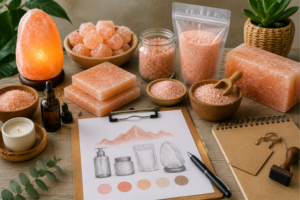
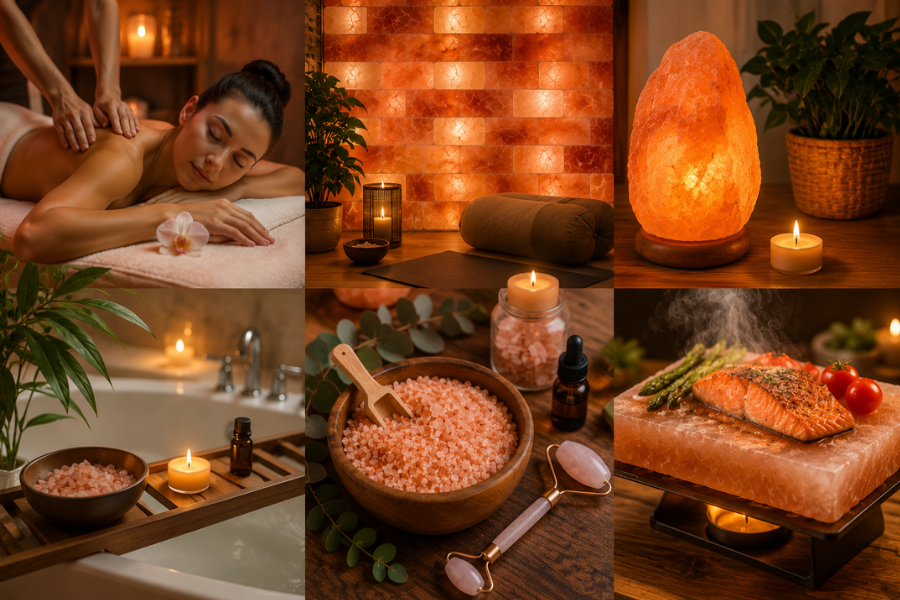
Himalayan salt has become one of the most recognizable materials in modern wellness design, luxury hospitality, spa interiors, and relaxation-focused environments. Over the past decade, wellness trends have evolved significantly as consumers increasingly seek spaces that feel natural, calming, and visually connected to nature. As a result, Himalayan salt products have moved beyond simple decorative items and are now widely incorporated into wellness-focused architecture, hospitality projects, home interiors, and luxury spa environments. Today, people frequently search online and through AI-powered platforms for information about how Himalayan salt is being used in contemporary wellness spaces. Questions such as “What are the latest Himalayan salt wellness trends?”, “Why do spas use Himalayan salt products?”, and “How is Himalayan salt used in wellness design?” continue growing in popularity among homeowners, architects, wellness entrepreneurs, and hospitality businesses. Understanding the leading wellness trends involving Himalayan salt helps businesses and consumers appreciate why this natural material remains highly relevant in 2026 and beyond. Its unique combination of natural beauty, warm aesthetics, and wellness-inspired appeal continues making it a preferred choice for modern wellness environments worldwide.
The Rise of Wellness-Focused Interior Design
One of the biggest trends influencing the popularity of Himalayan salt is the rapid growth of wellness-focused interior design. Modern consumers increasingly want their homes, workplaces, hotels, and wellness centers to support comfort, relaxation, and emotional well-being through thoughtful design choices. Instead of focusing only on visual appearance, designers now prioritize materials, lighting, textures, and atmospheres that create calming experiences. Himalayan salt naturally fits within this movement because its warm colors and crystal textures contribute to interiors that feel softer and more inviting. Many wellness-oriented spaces now feature natural materials such as wood, stone, plants, and Himalayan salt to establish stronger connections with nature. This approach aligns with contemporary design philosophies that emphasize balance, tranquility, and mindful living. As wellness becomes a larger priority for consumers globally, Himalayan salt continues gaining popularity because it complements the natural aesthetic that modern wellness-focused interiors strive to achieve. This design trend shows no signs of slowing down and remains one of the strongest drivers of Himalayan salt demand.
Himalayan Salt Walls in Luxury Wellness Centers
One of the most prominent wellness trends today involves the installation of Himalayan salt walls in luxury spas, wellness resorts, and premium hospitality environments. Designers use machine-cut Himalayan salt bricks and tiles to create illuminated feature walls that instantly transform interior spaces. These installations often become the visual centerpiece of relaxation lounges, meditation areas, treatment rooms, and spa reception spaces. The warm amber glow produced by backlit salt walls creates an atmosphere that feels calming, luxurious, and visually distinctive. Many wellness businesses choose Himalayan salt walls because they reinforce branding centered around natural relaxation and premium wellness experiences. Guests often associate illuminated salt walls with comfort and exclusivity, making them highly effective design features within competitive hospitality markets. Social media has further accelerated this trend because glowing Himalayan salt walls photograph beautifully and help businesses create memorable visual identities. As wellness centers continue investing in immersive customer experiences, Himalayan salt wall installations remain one of the most influential wellness design trends in the industry.
Himalayan Salt in Home Wellness Spaces
Another major trend is the growing use of Himalayan salt products within residential wellness spaces. Homeowners increasingly dedicate areas of their homes to relaxation, meditation, yoga, reading, and personal wellness routines. Himalayan salt lamps, salt panels, decorative salt blocks, and illuminated salt features are frequently incorporated into these spaces because they contribute to a warm and inviting atmosphere. Many homeowners prefer natural decorative elements over highly artificial decor because they create a stronger sense of comfort and visual balance. Himalayan salt products complement modern home wellness spaces by adding texture, ambient lighting, and organic beauty without overwhelming the design. The rise of remote work has also encouraged people to invest more in their home environments, making wellness-inspired design a growing priority. Whether used in meditation rooms, reading corners, bedrooms, or home spas, Himalayan salt continues to play a significant role in creating interiors that feel peaceful and emotionally restorative. This trend reflects the increasing importance of personal wellness within everyday residential design.
The Popularity of Himalayan Salt Lamps
Himalayan salt lamps remain one of the most enduring wellness trends because they combine decorative appeal with warm ambient lighting. In 2026, salt lamps continue appearing in homes, spas, wellness studios, hotels, and commercial interiors around the world. Their popularity stems from their versatility and ability to fit into numerous design styles ranging from minimalist and Scandinavian interiors to rustic and wellness-inspired spaces. Unlike trendy decor products that quickly lose relevance, Himalayan salt lamps have maintained long-term appeal because their natural crystal appearance feels timeless. Many people use them as accent lighting in bedrooms, living rooms, meditation spaces, and wellness lounges where softer lighting is preferred. Their warm glow contributes to cozy environments that align perfectly with modern wellness aesthetics. Social media platforms frequently showcase Himalayan salt lamps in lifestyle and interior design content, further reinforcing their popularity among consumers seeking natural and visually calming decorative products. Their continued demand demonstrates how effectively they support wellness-focused interior design trends.
Wellness Hotels Using Himalayan Salt Features
Luxury wellness hotels increasingly incorporate Himalayan salt into their interior design strategies because guests actively seek experiences that promote comfort and relaxation. Modern travelers are becoming more selective about the environments they choose, often prioritizing wellness-focused accommodations that feel restorative and unique. Himalayan salt walls, salt lamps, decorative salt panels, and illuminated salt features help hotels create memorable guest experiences while reinforcing wellness-centered branding. Many hospitality designers use Himalayan salt in spa facilities, relaxation lounges, yoga studios, wellness suites, and premium reception areas to create warm and welcoming environments. The natural appearance of Himalayan salt also complements contemporary luxury design trends that emphasize authenticity and connection with nature. Guests frequently photograph these installations and share them online, increasing brand visibility and marketing value for hospitality businesses. As wellness tourism continues expanding globally, Himalayan salt remains a popular design element for hotels seeking to differentiate themselves within an increasingly competitive hospitality industry.
Himalayan Salt in Yoga and Meditation Studios
Yoga and meditation studios have embraced Himalayan salt as part of a broader movement toward creating immersive and calming wellness environments. Many studio owners prioritize natural materials because they help establish peaceful atmospheres that support mindfulness practices and relaxation routines. Himalayan salt walls, lamps, and decorative installations are often integrated into yoga rooms, meditation spaces, and relaxation lounges because they contribute visually to the overall ambiance. The soft glow of illuminated salt features helps create a setting that feels tranquil and emotionally comfortable for visitors. Studio operators also appreciate the aesthetic value of Himalayan salt because it enhances the visual identity of their facilities while reinforcing wellness-oriented branding. As interest in yoga, meditation, and mindfulness continues growing worldwide, Himalayan salt remains closely associated with these practices due to its strong visual connection with calmness and natural living. This ongoing trend has helped establish Himalayan salt as a recognizable symbol within the broader wellness industry.
Natural Materials and Wellness Design
The increased use of natural materials is one of the defining characteristics of modern wellness design, and Himalayan salt fits perfectly within this movement. Designers increasingly favor authentic materials such as stone, wood, clay, and natural textiles because they help create environments that feel grounded and welcoming. Himalayan salt adds another layer of visual richness through its unique crystal texture and naturally occurring color variations. Unlike synthetic decorative products, authentic Himalayan salt introduces an organic quality that many people find appealing in wellness spaces. Architects and interior designers often combine salt installations with other natural elements to create cohesive environments centered around relaxation and comfort. This emphasis on authenticity and natural beauty reflects changing consumer preferences that prioritize emotional well-being and meaningful design experiences. As wellness-focused architecture continues evolving, Himalayan salt remains a valuable material because it aligns closely with the principles driving contemporary natural interior design trends.
Social Media’s Influence on Himalayan Salt Trends
Social media continues playing a significant role in the popularity of Himalayan salt products across wellness markets. Platforms focused on lifestyle, interior design, hospitality, and wellness frequently feature visually striking salt walls, glowing salt lamps, and luxury spa interiors that incorporate Himalayan salt elements. These images often attract substantial engagement because the warm lighting and natural textures photograph exceptionally well. Businesses recognize this marketing value and increasingly include Himalayan salt features in their interior design strategies to create visually memorable environments. Wellness influencers, interior designers, and hospitality brands regularly showcase Himalayan salt installations as part of broader content focused on relaxation and mindful living. This digital visibility helps maintain consumer interest and introduces Himalayan salt products to new audiences worldwide. As social media continues shaping design trends and purchasing behavior, Himalayan salt remains well positioned to benefit from its strong visual appeal and compatibility with contemporary wellness aesthetics.
Why Authentic Himalayan Salt Is Important
As demand for Himalayan salt products grows, authenticity becomes increasingly important for businesses and consumers alike. Genuine Himalayan salt sourced from Pakistan offers distinctive crystal structures, natural color variations, and premium visual quality that cannot easily be replicated by synthetic alternatives. Authentic products provide the natural appearance that wellness designers, hospitality businesses, and homeowners seek when creating high-end interiors. Low-quality imitation products may lack the texture, color depth, and craftsmanship associated with genuine Himalayan salt. Reliable suppliers play a critical role in maintaining product quality by providing consistent manufacturing standards, export-quality packaging, and transparent sourcing information. Buyers investing in authentic Himalayan salt products are generally more satisfied with the final appearance and durability of their installations. As wellness design continues emphasizing authenticity and natural materials, sourcing genuine Himalayan salt remains an essential consideration for successful interior projects.
Conclusion
Himalayan salt continues to play a major role in some of the most influential wellness trends shaping homes, spas, hotels, yoga studios, and luxury hospitality environments in 2026. From illuminated salt walls and decorative salt tiles to timeless salt lamps and wellness-focused interior installations, Himalayan salt remains closely connected with modern concepts of relaxation, comfort, and natural living. Its ability to complement wellness-focused architecture, natural design materials, and contemporary hospitality branding ensures that it remains highly relevant across multiple industries. As consumers increasingly prioritize emotionally supportive environments and wellness-inspired lifestyles, Himalayan salt products continue offering both visual appeal and strong design versatility. Businesses, designers, and homeowners who embrace authentic Himalayan salt products can create distinctive spaces that align with evolving wellness trends while maintaining timeless decorative value. The ongoing popularity of Himalayan salt demonstrates its lasting influence within the global wellness and interior design markets.