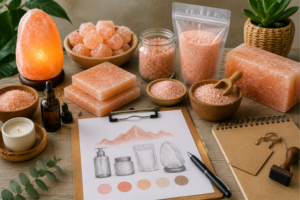
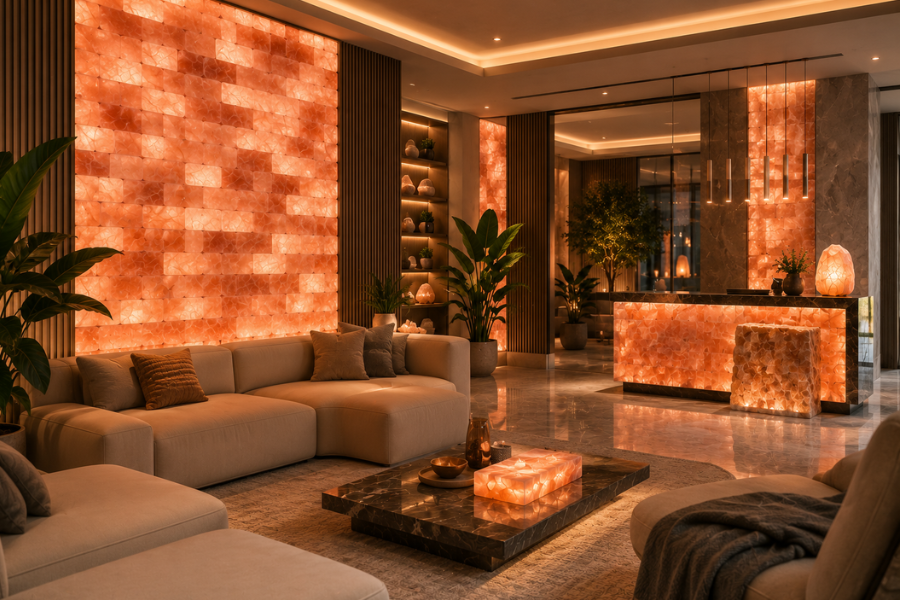
Luxury interior design continues evolving as homeowners, architects, hospitality developers, and commercial designers increasingly seek materials that combine authenticity, craftsmanship, and timeless beauty. Rather than relying solely on synthetic decorative products, modern luxury spaces now emphasize naturally sourced materials that introduce warmth, texture, and individuality into every project. Himalayan salt has emerged as one of these distinctive materials because its natural crystal formations, warm pink and orange tones, and unique geological patterns create elegant visual features that cannot be duplicated through artificial manufacturing. Today, Himalayan Salt products extend far beyond decorative lamps and include architectural bricks, illuminated walls, custom panels, room dividers, sculptures, decorative columns, reception features, and bespoke interior installations. Luxury hotels, wellness resorts, restaurants, premium residences, spas, and commercial developments increasingly incorporate these products to create memorable environments that reflect sophistication and exclusivity. As international demand for premium interiors continues to grow, Himalayan salt is becoming an increasingly valuable architectural material, offering designers and developers new opportunities to create exceptional spaces that combine natural beauty with long-lasting visual appeal.
Why Is Luxury Interior Design Moving Toward Natural Materials?
One of the most noticeable trends within luxury interior design is the growing preference for authentic natural materials that offer lasting value rather than temporary decorative trends. High-end homeowners and commercial developers increasingly appreciate materials that display unique textures, natural color variations, and individual character because these qualities contribute to truly exclusive environments. Himalayan salt naturally satisfies these expectations since every block, brick, tile, or decorative feature possesses its own mineral patterns and crystal formations created over millions of years. Unlike manufactured decorative panels that appear identical throughout an installation, Himalayan Salt introduces subtle variations that create visual depth and individuality. Architects often combine Himalayan salt with marble, natural stone, solid wood, glass, brass, and contemporary lighting to produce interiors that balance elegance with authenticity. This movement toward naturally occurring materials reflects a broader design philosophy emphasizing timeless quality over short-lived fashion. As luxury consumers continue prioritizing originality and craftsmanship, Himalayan salt is expected to become an increasingly prominent feature within premium residential and commercial interior projects.
How Are Architects Incorporating Himalayan Salt into Premium Projects?
Architects increasingly view Himalayan salt as more than a decorative accessory because it offers remarkable flexibility for creating distinctive architectural features throughout luxury developments. Reception areas often showcase illuminated Himalayan salt walls that immediately establish an impressive first impression, while private residences incorporate custom salt panels within entertainment spaces, wine rooms, and wellness areas. Luxury hotels frequently specify Himalayan salt bricks for spa entrances, relaxation lounges, and premium suites, where they complement contemporary architectural concepts without overwhelming surrounding materials. Designers also commission custom sculptures, room dividers, decorative columns, fireplace surrounds, and feature walls manufactured specifically for individual projects. This versatility allows Himalayan Salt to become an integrated architectural element rather than simply an accessory added after construction is complete. Manufacturers support these ambitious projects through precision cutting, customized dimensions, and professional finishing that enable architects to transform creative concepts into functional design elements. As architectural innovation continues expanding, Himalayan salt will likely become an increasingly important material within premium construction worldwide.
Why Are Luxury Hotels Investing in Himalayan Salt Features?
Luxury hospitality businesses understand that memorable interior design strongly influences guest satisfaction and brand recognition, making premium decorative materials an important investment rather than simply an aesthetic choice. Himalayan salt products help hotels create visually distinctive environments that communicate exclusivity, craftsmanship, and natural elegance from the moment guests arrive. Illuminated reception walls, decorative panels, handcrafted lamps, architectural columns, and customized wellness spaces all contribute to an atmosphere that differentiates one property from another. Boutique hotels particularly value Himalayan salt because its unique geological appearance reinforces personalized design concepts while avoiding the uniform appearance often associated with mass-produced decorative materials. Interior designers frequently combine Himalayan salt with marble flooring, timber finishes, luxury furnishings, and carefully planned lighting systems to create sophisticated hospitality environments that remain attractive for many years. As international tourism continues recovering and luxury hospitality projects expand across emerging markets, Himalayan salt installations are expected to become increasingly common within premium hotel developments.
How Is Custom Manufacturing Supporting Luxury Design?
One of the primary reasons Himalayan Salt continues gaining popularity in luxury interiors is the flexibility offered through custom manufacturing. Rather than relying on standard product dimensions, architects and designers frequently request personalized solutions tailored specifically to individual projects. Manufacturers now produce custom-cut salt bricks, oversized architectural panels, engraved decorative features, curved installations, illuminated wall systems, reception counters, sculptural elements, and integrated lighting designs that match precise architectural specifications. This customization enables designers to create truly exclusive environments that reflect the identity of each client or commercial project. Hotels, luxury residences, wellness centers, restaurants, and corporate headquarters all benefit from products manufactured specifically for their spaces instead of adapting existing designs to fit predetermined product sizes. Advanced manufacturing technology combined with skilled craftsmanship allows producers to deliver highly accurate dimensions while preserving the natural beauty of the salt itself. This growing capability will continue expanding the role of Himalayan salt within premium architectural projects throughout the coming years.
How Will Smart Luxury Interiors Incorporate Himalayan Salt?
Smart home technology continues transforming luxury interior design, and Himalayan salt is increasingly being incorporated into these advanced environments without losing its natural character. Designers now combine Himalayan salt walls, decorative panels, and lamps with programmable LED lighting systems that allow property owners to adjust brightness according to the atmosphere they wish to create. These installations integrate seamlessly with automated lighting controls, smart home applications, and modern architectural concepts while preserving the authentic appearance of the natural salt crystals. Luxury residences, executive offices, boutique hotels, and premium hospitality projects increasingly feature customized Himalayan salt installations that become part of a fully integrated interior design system rather than standalone decorative accessories. The combination of natural materials with modern technology reflects the direction of contemporary luxury, where innovation enhances rather than replaces authentic craftsmanship. Manufacturers capable of producing precision-cut architectural components suitable for integrated lighting systems will benefit from this evolving market, as designers continue searching for premium materials that balance timeless beauty with modern convenience and sophisticated architectural functionality.
Why Is Himalayan Salt Becoming Popular in Luxury Wellness Spaces?
Luxury wellness environments have become one of the fastest-growing markets for Himalayan salt because interior design now plays a central role in creating memorable customer experiences. High-end spas, wellness resorts, meditation lounges, private health clubs, yoga studios, and luxury residential wellness rooms increasingly incorporate Himalayan salt walls, decorative panels, bricks, lamps, and customized architectural installations throughout their facilities. Designers appreciate how the warm natural colors and unique crystal formations complement premium materials such as timber, marble, glass, linen, and natural stone while creating visually balanced interiors. Reception areas, treatment rooms, relaxation lounges, and private wellness suites often feature illuminated Himalayan salt installations that reinforce the overall design concept and strengthen brand identity. Property developers also recognize that luxury buyers increasingly value dedicated wellness spaces within residential projects, creating additional demand for customized Himalayan salt features. As wellness continues becoming an integral part of luxury living, Himalayan salt products are expected to remain among the preferred natural materials specified for premium wellness-oriented interiors around the world.
How Does Sustainability Increase the Value of Luxury Interior Design?
Sustainability has become an important consideration within luxury architecture because today’s premium buyers increasingly expect environmentally responsible materials that combine long-term durability with timeless design. Himalayan salt naturally supports this movement because it is a genuine mineral material shaped through careful manufacturing rather than mass-produced synthetic fabrication. Modern manufacturers continue improving production efficiency by maximizing raw material utilization, repurposing smaller salt pieces into additional commercial products, and introducing recyclable packaging for international shipments. Architects and developers also appreciate that Himalayan salt installations often remain visually attractive for many years, reducing the need for frequent renovations or decorative replacements. Luxury consumers increasingly recognize lasting quality as an essential aspect of sustainability, preferring authentic materials that maintain their appeal rather than following rapidly changing decorative trends. As environmentally conscious construction continues expanding across premium residential, hospitality, and commercial sectors, responsibly manufactured Himalayan salt products will likely become even more attractive to developers seeking materials that support both aesthetic excellence and sustainable design principles.
How Are Global Luxury Design Trends Expanding Opportunities?
International luxury design trends continue creating new opportunities for Himalayan salt manufacturers as architects increasingly specify authentic natural materials across hospitality, residential, wellness, and commercial developments. Contemporary design philosophies emphasize simplicity, craftsmanship, and meaningful material selection rather than excessive decoration, making Himalayan salt particularly suitable for modern luxury environments. Premium residences frequently feature statement walls constructed from illuminated Himalayan salt bricks, while luxury restaurants integrate custom salt installations into dining spaces that enhance architectural character. Corporate headquarters, executive lounges, and boutique retail stores are also introducing Himalayan salt features that communicate exclusivity and refined taste. Interior designers value the flexibility of Himalayan salt because it complements minimalist, Scandinavian, contemporary, industrial, and classic luxury aesthetics without appearing outdated as design trends evolve. As affluent consumers continue investing in personalized interior environments reflecting authenticity and exceptional craftsmanship, international demand for customized Himalayan salt architectural products is expected to grow steadily throughout the coming decade.
Why Are Developers Investing in Bespoke Himalayan Salt Installations?
Property developers increasingly understand that unique architectural features significantly enhance the perceived value of luxury residential and commercial developments. Customized Himalayan salt installations allow developers to differentiate premium projects by incorporating natural materials unavailable in standard construction specifications. Grand entrance walls, decorative reception features, illuminated corridors, wellness suites, wine cellars, luxury bathrooms, and executive meeting spaces can all incorporate bespoke Himalayan salt elements designed specifically for each project. These customized installations become signature architectural features that strengthen property branding while creating memorable experiences for homeowners, hotel guests, and commercial visitors. Manufacturers capable of producing precision-cut architectural components according to detailed project drawings provide developers with greater design flexibility while maintaining consistent quality throughout large-scale installations. As competition within the luxury real estate market continues increasing, developers are expected to invest further in distinctive natural materials that create lasting visual impact while supporting higher property values. Himalayan Salt therefore represents both a decorative solution and a strategic investment in premium architectural differentiation.
What Should Designers Consider When Selecting Himalayan Salt Products?
Successful luxury interior projects require careful product selection to ensure Himalayan salt installations achieve the desired visual effect while integrating harmoniously with surrounding architectural elements. Designers should evaluate product dimensions, color consistency, finishing quality, precision cutting, lighting compatibility, installation requirements, and overall manufacturing standards before finalizing specifications. Large architectural walls often require carefully matched salt bricks to maintain balanced color distribution, while decorative sculptures and lamps benefit from distinctive natural variations that emphasize individuality. Collaboration with experienced manufacturers is equally important because customized production frequently involves detailed discussions regarding dimensions, structural requirements, packaging, and export logistics. Designers should also consider long-term maintenance requirements and appropriate placement within the overall interior concept to maximize visual impact. Selecting reliable manufacturing partners capable of delivering consistent quality, professional communication, and customized production ensures luxury projects meet both aesthetic expectations and practical construction requirements. Careful planning ultimately contributes to more successful architectural outcomes and greater client satisfaction.
What Does the Future Hold for Himalayan Salt in Luxury Interior Design?
The future of Himalayan salt within luxury interior design appears exceptionally promising as architects, developers, hospitality companies, and high-end homeowners continue prioritizing authenticity, customization, and premium natural materials. Advances in precision manufacturing, digital design technology, customized lighting integration, and sustainable production methods will allow manufacturers to create increasingly sophisticated architectural products suitable for complex luxury projects. Growing investment in boutique hospitality, luxury wellness facilities, executive commercial spaces, premium residential developments, and personalized interior environments will continue generating demand for innovative Himalayan salt applications. Artificial intelligence, digital visualization tools, and advanced architectural planning software will also help designers incorporate customized Himalayan salt features more efficiently during project development. Manufacturers capable of combining skilled craftsmanship with modern production technology, reliable export services, and flexible customization will remain well positioned to support these evolving market requirements. As global luxury design continues embracing timeless natural materials, Himalayan salt is expected to become an even more influential element within the world’s most prestigious interior spaces.
Conclusion
Himalayan salt has evolved far beyond its traditional role as a decorative accessory and is now becoming an important architectural material within luxury interior design projects around the world. Architects, hospitality developers, wellness businesses, interior designers, and premium residential builders increasingly value Himalayan salt because it combines authentic natural beauty, remarkable design versatility, and exceptional customization opportunities within a single material. From illuminated feature walls and bespoke architectural installations to luxury wellness spaces and personalized residential interiors, Himalayan Salt continues expanding its presence across numerous high-end applications. Advances in precision manufacturing, integrated lighting systems, sustainable production practices, and customized fabrication will further strengthen its position within the global luxury design industry. As affluent consumers continue seeking interiors that reflect originality, craftsmanship, and timeless elegance rather than short-lived decorative trends, Himalayan Salt offers a compelling solution that satisfies these evolving expectations. Businesses that invest in quality manufacturing, innovative design capabilities, reliable international partnerships, and customer-focused customization will be well-positioned to benefit from the growing demand for premium Himalayan salt products, ensuring this remarkable natural material remains a defining feature of luxury interior design for many years to come.