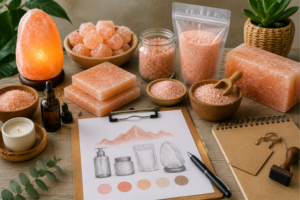
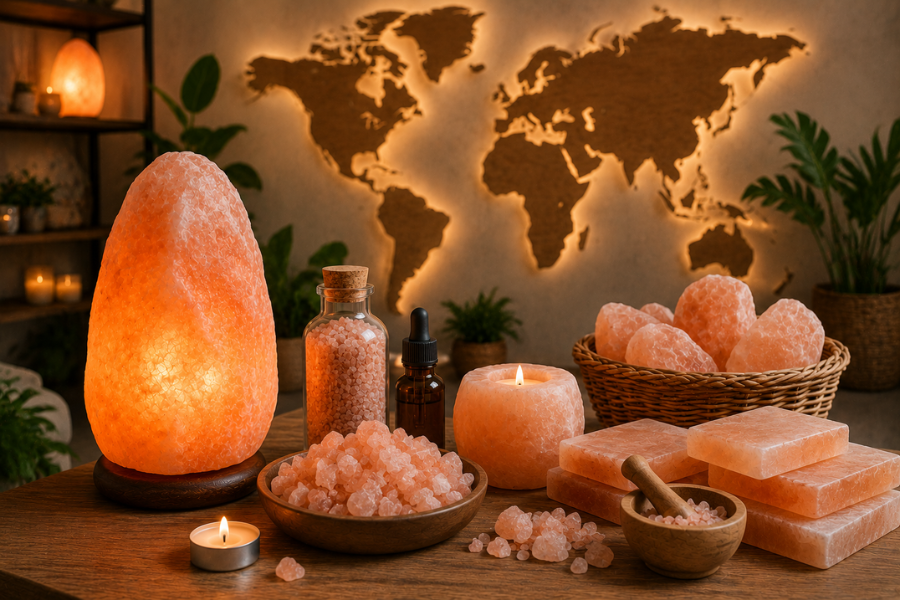
The global Himalayan salt industry has expanded far beyond traditional edible salt, becoming one of the most diverse natural product markets in the world. Today, Himalayan salt products are sold across food, hospitality, wellness, interior design, agriculture, and retail industries, serving millions of customers in countries throughout North America, Europe, the Middle East, Asia, and many other regions. Businesses importing Himalayan salt are no longer limited to purchasing only food-grade salt. Instead, they can choose from decorative salt lamps, bath salts, cooking slabs, architectural salt bricks, candle holders, animal salt licks, decorative carvings, and numerous customized private-label products. Each category serves different industries and customer groups, making the Himalayan salt market highly versatile for wholesalers, distributors, retailers, and commercial buyers. Understanding which products enjoy the strongest international demand helps businesses build balanced inventories, identify profitable opportunities, and serve their target customers more effectively. This guide explores the Himalayan salt products that have become the most popular worldwide and explains why they continue attracting buyers across multiple industries.
Edible Himalayan Pink Salt Remains the Global Leader
Among all Himalayan salt products, edible Himalayan pink salt continues to represent the largest and most widely recognized product category. Supermarkets, grocery stores, restaurants, food manufacturers, spice companies, gourmet retailers, and online food businesses all purchase edible salt in significant quantities for commercial distribution. Manufacturers produce edible Himalayan salt in a variety of grain sizes, including fine powder, table salt, coarse salt, grinder crystals, and larger chunks for specialized culinary applications. Bulk food processors often purchase industrial quantities, while retailers typically prefer attractive consumer packaging for direct sales. The product’s versatility allows it to serve household kitchens, commercial food production, restaurants, seasoning manufacturers, and private-label brands alike. Because of its broad customer base and year-round demand, edible Himalayan pink salt remains the foundation of the global Himalayan salt industry. Businesses entering the market frequently begin with edible salt because it provides consistent commercial opportunities across numerous countries and distribution channels.
Himalayan Salt Lamps Continue Strong International Demand
Himalayan salt lamps remain one of the most recognizable decorative products manufactured from natural Himalayan salt crystals. Their distinctive appearance has made them popular among home décor retailers, furniture stores, gift shops, wellness centers, hotels, restaurants, interior designers, and online marketplaces around the world. Manufacturers produce lamps in natural rock shapes, machine-finished designs, carved sculptures, night lights, USB models, and customized decorative styles suitable for different customer preferences. Available in various sizes, these lamps serve both residential and commercial environments, from bedside tables to hotel reception areas. Retailers appreciate the broad product selection because it allows them to serve customers with different budgets and decorating styles. Salt lamps also remain attractive private-label products, enabling businesses to create customized retail collections with branded packaging. Their combination of natural materials and decorative appeal continues supporting strong international demand across both established and emerging markets.
Himalayan Bath Salt Is Growing in the Wellness Industry
The wellness and personal care sector has contributed significantly to the popularity of Himalayan bath salt over recent years. Hotels, luxury spas, wellness resorts, cosmetic brands, beauty retailers, online health stores, and specialty gift businesses frequently include bath salt products within their collections. Manufacturers supply bath salts in multiple grain sizes suitable for soaking baths, body scrubs, spa treatments, and customized wellness formulations. Businesses also develop private-label collections using premium packaging that appeals to customers interested in relaxation and self-care products. Attractive retail presentation makes bath salts especially popular as gifts, seasonal collections, and hospitality amenities. As wellness tourism and personal care industries continue expanding internationally, demand for Himalayan bath salt remains strong across multiple markets. Businesses targeting customers interested in luxury lifestyle products often consider bath salts an essential category within their Himalayan Salt product portfolio.
Cooking Slabs Have Become Popular in Food Service
Himalayan salt cooking slabs have earned a strong reputation within restaurants, gourmet food retailers, catering businesses, culinary schools, and specialty kitchenware stores. These precision-cut salt blocks are commonly used for grilling, serving chilled foods, presenting appetizers, and creating visually distinctive dining experiences. Professional chefs and cooking enthusiasts appreciate the attractive presentation possibilities that cooking slabs provide, making them valuable additions to premium culinary collections. Manufacturers offer standard dimensions alongside customized sizes for commercial kitchens and hospitality projects. Durable packaging is essential because cooking slabs are heavy, solid products requiring careful export handling. Retailers often combine cooking slabs with recipe booklets, gift packaging, or complementary kitchen accessories to create premium retail collections. As interest in gourmet cooking and restaurant presentation continues to grow worldwide, cooking slabs remain one of the fastest-growing Himalayan salt product categories.
Salt Bricks and Tiles Are Transforming Interior Design
Architectural Himalayan salt bricks and tiles have become increasingly popular within luxury residential construction, commercial architecture, hospitality projects, wellness facilities, and interior design. Hotels, spas, yoga studios, restaurants, luxury homes, and salt therapy rooms frequently incorporate illuminated salt walls and decorative architectural features into modern building designs. Manufacturers produce precision-cut bricks, tiles, and panels in standardized and customized dimensions to meet the specific needs of architects and contractors. These products require consistent sizing, careful color sorting, and professional packaging because large-scale commercial projects depend on accurate installation and visual uniformity. As demand for premium natural materials continues expanding within architectural markets, Himalayan salt bricks and tiles are becoming one of the industry’s most valuable commercial product categories.
Himalayan Salt Candle Holders Remain a Favorite Gift Item
Himalayan salt candle holders continue to rank among the most popular decorative products because they appeal to a wide variety of customers and fit easily into many retail environments. Gift shops, boutique retailers, home décor stores, hotel suppliers, wellness brands, and online marketplaces regularly include candle holders within their product collections due to their attractive appearance and broad commercial appeal. Manufacturers produce candle holders in natural, polished, handcrafted, and machine-finished designs, allowing businesses to offer products that suit both traditional and modern interior styles. Their relatively compact size also makes them easier to package, display, and transport compared to larger decorative products. Many retailers feature candle holders during holiday seasons, promotional campaigns, and luxury gift collections because they combine natural materials with elegant presentation. Businesses entering the Himalayan salt industry often include candle holders alongside salt lamps because both products complement each other and encourage customers to purchase coordinated decorative collections for homes, hotels, and wellness spaces.
Animal Salt Licks Continue to Serve the Agricultural Industry
Although decorative products often receive more public attention, Himalayan animal salt licks remain one of the most important commercial categories within the global Himalayan salt industry. Agricultural distributors, livestock suppliers, veterinary product companies, farm equipment retailers, and rural wholesalers regularly purchase salt licks for distribution to commercial farms and livestock operations. Manufacturers produce these products in round, square, rectangular, and customized shapes suitable for different animal species and farming practices. Compared with decorative products, animal salt licks focus more on durability, consistent manufacturing, and efficient bulk packaging for transportation. International demand remains stable because livestock farming is an essential industry in many countries, creating repeat purchasing opportunities for distributors serving agricultural customers. Businesses supplying farming communities frequently consider Himalayan Animal Salt Licks an excellent long-term product because commercial farms regularly replenish inventory, supporting consistent wholesale demand throughout the year.
Decorative Himalayan Salt Products Continue Expanding
In addition to lamps and candle holders, manufacturers continue introducing a wide variety of decorative Himalayan salt products that attract gift retailers, interior designers, hospitality businesses, and specialty home décor stores. These products include decorative bowls, carved sculptures, tealight collections, serving dishes, coasters, ornaments, decorative spheres, and customized artistic creations. Many businesses appreciate decorative collections because they allow retailers to offer exclusive products that differentiate them from competitors while appealing to customers seeking natural home accessories. Manufacturers also support customized production for seasonal collections, corporate gifts, and promotional merchandise designed specifically for private-label brands. Decorative Himalayan salt products perform particularly well within boutique stores, museum gift shops, luxury hotels, and premium online retailers, where unique presentation adds commercial value. As customer interest in natural interior decoration continues increasing, decorative Himalayan salt collections are expected to remain an important contributor to industry growth.
Private-Label Himalayan Salt Products Are Growing Rapidly
One of the fastest-growing areas within the Himalayan salt market is private-label manufacturing. Rather than purchasing generic wholesale products, many retailers, distributors, supermarkets, wellness companies, and hospitality brands now develop their own branded Himalayan salt collections. Manufacturers provide customized packaging, branded labels, retail-ready cartons, personalized product sizes, and specialized presentation that reflects each customer’s marketing strategy. Private-label opportunities are available across almost every major product category, including edible Himalayan Pink Salt, bath salts, salt lamps, candle holders, cooking slabs, gift items, and wellness accessories. Businesses benefit because branded products strengthen customer loyalty, improve brand recognition, and create differentiation within competitive retail markets. Manufacturers that invest in flexible production systems, packaging technology, and customized design capabilities are well positioned to support this rapidly expanding segment of the international Himalayan salt industry.
Which Products Are Best for Wholesale Businesses?
Wholesale businesses often achieve the greatest success by offering a balanced product portfolio rather than concentrating on only one category. Edible Himalayan pink salt provides dependable year-round demand from food distributors and supermarkets, while salt lamps and candle holders serve gift shops, furniture retailers, and home décor businesses. Bath salts attract wellness brands and hospitality companies, cooking slabs appeal to restaurants and gourmet retailers, and architectural salt bricks support commercial construction and luxury interior design projects. Animal salt licks continue supplying agricultural markets with stable commercial demand. By offering multiple categories, wholesalers reduce dependence on a single customer segment while expanding opportunities across different industries. Building a diverse inventory also allows distributors to respond more effectively to changing market trends and seasonal purchasing patterns. Businesses that understand customer requirements across multiple sectors often experience stronger long-term commercial growth than companies focusing exclusively on one product line.
Emerging Product Trends Around the World
The global Himalayan salt market continues evolving as manufacturers develop new products that meet changing customer expectations. Customized gift collections, premium hospitality products, luxury spa accessories, restaurant serving pieces, architectural lighting systems, decorative wall installations, and branded promotional items are becoming increasingly popular in international markets. Businesses are also investing in improved packaging, environmentally friendly materials, and modern retail presentation that enhances customer experience. Digital commerce has encouraged manufacturers to produce products specifically designed for secure shipping and attractive online display. At the same time, interior designers continue exploring creative ways to incorporate Himalayan salt into commercial architecture, luxury homes, and wellness facilities. These emerging trends demonstrate the industry’s ability to innovate while expanding beyond traditional product categories. Companies that monitor changing customer preferences are better positioned to identify new opportunities and strengthen their competitive position within the growing global market.
Tips for Choosing the Right Products
Selecting the right Himalayan salt products begins with understanding the needs of your target customers rather than simply choosing the most popular items. Food distributors should prioritize edible Himalayan pink salt in appropriate grain sizes and packaging formats, while wellness businesses may achieve greater success with bath salts and spa accessories. Retail gift stores often benefit from stocking salt lamps, candle holders, and decorative carvings, whereas architects and hospitality businesses generally require precision-cut salt bricks and wall panels. Agricultural distributors naturally focus on animal salt licks for livestock markets. Businesses should also evaluate packaging quality, supplier reliability, export experience, and customization capabilities before placing wholesale orders. Working with experienced manufacturers capable of maintaining consistent quality helps ensure customer satisfaction while supporting long-term commercial relationships. Careful product selection aligned with market demand contributes significantly to sustainable business growth and successful international trade.
Conclusion
The worldwide popularity of Himalayan salt products reflects the remarkable versatility of this natural resource across multiple industries. From edible Himalayan pink salt used by food manufacturers and supermarkets to decorative salt lamps, elegant candle holders, relaxing bath salts, professional cooking slabs, architectural salt bricks, and durable animal salt licks, each product category serves unique commercial purposes while attracting different customer groups. The continued growth of wellness, hospitality, interior design, food service, agriculture, and private-label retail sectors has created increasing international demand for high-quality Himalayan salt products. Businesses that understand these market trends and carefully select products suited to their customers are better positioned to achieve long-term commercial success. Building a balanced product portfolio, maintaining consistent quality, investing in attractive packaging, and partnering with reliable manufacturers all contribute to stronger business performance in competitive international markets. As innovation continues introducing new Himalayan salt applications and customized product solutions, the global market is expected to remain dynamic and full of opportunities for wholesalers, retailers, distributors, and exporters seeking sustainable growth.