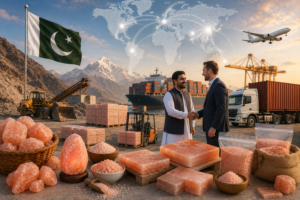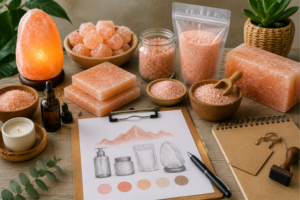
Private label manufacturing has become one of the fastest-growing business strategies in the global Himalayan salt industry as retailers, wholesalers, distributors, wellness brands, hospitality companies, and specialty food businesses increasingly seek products that reflect their own brand identity. Instead of selling generic products that are available through multiple suppliers, companies are investing in exclusive product collections designed specifically for their target markets. Private labeling allows businesses to customize packaging, branding, product specifications, and presentation while relying on experienced manufacturers to handle production, quality control, and export operations. This approach creates stronger customer recognition, improves market differentiation, and supports long-term business growth without requiring companies to establish their own manufacturing facilities. Today, private label opportunities extend across edible Himalayan pink salt, bath salts, decorative salt lamps, candle holders, cooking slabs, architectural bricks, animal salt licks, and many other specialized product categories. Understanding why businesses continue investing in private label Himalayan salt helps manufacturers, exporters, wholesalers, and importers recognize changing market trends while identifying new opportunities for sustainable commercial partnerships within the expanding international Himalayan salt industry.
Why Is Private Label Manufacturing Growing So Rapidly?
The rapid growth of private label manufacturing reflects changing consumer expectations and increasing competition across global retail markets. Modern customers often purchase products based not only on quality but also on brand identity, packaging, presentation, and the overall purchasing experience. Businesses therefore seek exclusive product lines that distinguish them from competitors while strengthening customer loyalty. Private label manufacturing allows companies to introduce premium Himalayan salt collections carrying their own logos, packaging designs, product names, and marketing materials without investing in expensive production facilities. Manufacturers provide technical expertise, quality control, and production capacity, while brand owners focus on sales, customer relationships, and marketing. This partnership benefits both parties by combining manufacturing experience with market knowledge. As more retailers, wellness companies, gourmet food brands, and hospitality businesses recognize the commercial advantages of exclusive branding, demand for private label Himalayan salt products continues expanding across international markets, making customized manufacturing an increasingly valuable service offered by experienced exporters.
How Does Private Labeling Strengthen Brand Identity?
One of the greatest advantages of private labeling is its ability to create a distinctive brand identity that customers immediately recognize and remember. Rather than offering identical Himalayan salt products sold under multiple supplier names, businesses develop exclusive collections that reflect their own values, design preferences, and marketing strategies. Customized packaging, premium labels, branded gift boxes, professionally designed product inserts, and coordinated visual presentation all contribute to stronger brand recognition while increasing perceived product value. Customers often associate consistent branding with professionalism, reliability, and higher quality, making private label products an effective way to build long-term customer trust. Businesses also gain greater control over product positioning because they determine how products are presented across retail stores, online marketplaces, hospitality environments, and wellness centers. This flexibility allows companies to communicate unique selling points more effectively while establishing stronger emotional connections with their target audiences. As branding becomes increasingly important within competitive markets, private labeling continues providing valuable opportunities for business growth.
Why Do Retailers Prefer Exclusive Product Collections?
Retail businesses operate within highly competitive markets where product differentiation plays a crucial role in attracting customers and encouraging repeat purchases. Selling identical products available from numerous competitors often limits pricing flexibility and reduces opportunities for brand development. Private-Label Himalayan Salt products solve this challenge by allowing retailers to offer exclusive collections unavailable elsewhere. Decorative salt lamps, gourmet edible salt, bath salts, candle holders, cooking slabs, and gift sets can all be customized with retailer-specific branding and packaging that strengthen customer loyalty while supporting premium market positioning. Exclusive collections also simplify promotional campaigns because businesses control product presentation, pricing strategies, and seasonal product launches without competing directly against identical branded alternatives. Retailers appreciate the flexibility of introducing limited-edition collections or expanding successful product ranges according to customer demand. By partnering with experienced manufacturers capable of delivering consistent quality and customized production, retailers establish stronger competitive advantages while creating memorable shopping experiences that encourage long-term customer relationships.
What Types of Himalayan Salt Products Can Be Private Labeled?
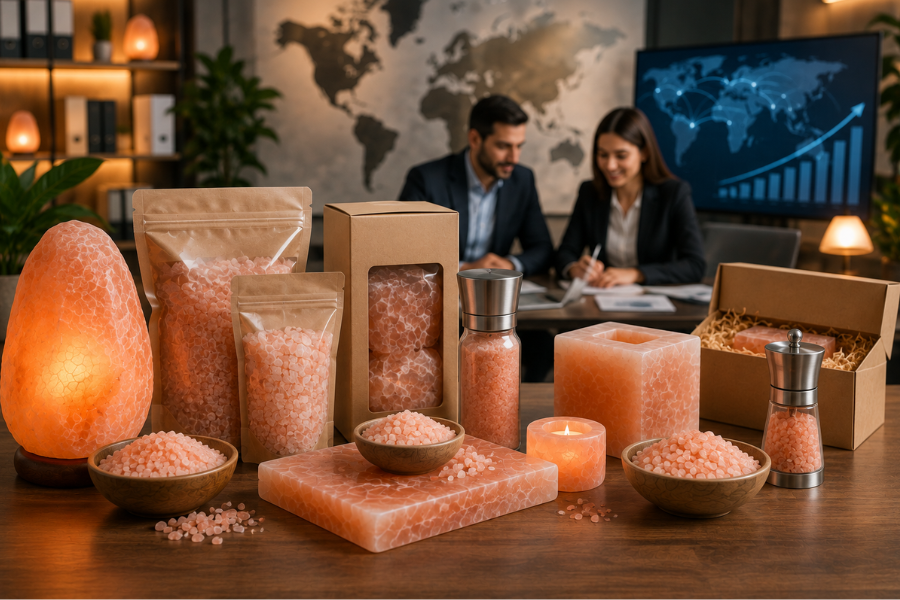
One of the reasons private labeling has become so popular is the remarkable variety of Himalayan salt products that can be customized for different industries and customer segments. Food companies frequently develop branded edible Himalayan pink salt collections available in multiple grain sizes and retail packaging formats, while wellness businesses introduce personalized bath salts, spa collections, and decorative wellness accessories. Home décor retailers often request custom-designed salt lamps, candle holders, decorative bowls, and gift sets that complement their existing product ranges. Hospitality businesses may commission customized architectural salt bricks, restaurant cooking slabs, or branded decorative collections designed specifically for hotels and resorts. Agricultural suppliers can also develop private-label animal salt licks for livestock markets. Manufacturers capable of producing these diverse product categories while supporting customized packaging, labeling, and product specifications provide valuable solutions for businesses seeking comprehensive branding opportunities. This versatility allows companies from many different industries to benefit from private label manufacturing while maintaining consistent product quality.
How Does Custom Packaging Increase Product Value?
Packaging has become much more than a protective layer for products because it now represents an essential part of the customer experience and a powerful marketing tool. Businesses investing in private label Himalayan Salt understand that professionally designed packaging helps communicate quality, reliability, and brand identity before customers even open the product. Manufacturers now offer a wide range of packaging options, including branded retail boxes, moisture-resistant pouches, premium gift packaging, printed cartons, custom labels, barcode integration, and multilingual product information tailored to different international markets. Attractive packaging also improves shelf visibility within retail stores and creates a stronger first impression in online sales through professional product photography. Beyond appearance, well-designed packaging protects Himalayan salt products during transportation, helping reduce breakage and moisture exposure while ensuring products arrive in excellent condition. Companies that combine premium packaging with high-quality products create a stronger overall brand experience, encouraging customer confidence and repeat purchases. As global competition continues increasing, customized packaging remains one of the most effective ways for private label businesses to strengthen their market position.
Why Do Businesses Partner with OEM Himalayan Salt Manufacturers?
Many businesses want to expand their product offerings without investing in expensive mining operations, processing facilities, specialized equipment, or manufacturing expertise. Original Equipment Manufacturer (OEM) partnerships allow companies to achieve this objective by working with experienced Himalayan salt manufacturers that already possess the production capacity, technical knowledge, and quality control systems needed to manufacture premium products. Through OEM manufacturing, businesses can focus on developing their brands, marketing strategies, distribution networks, and customer relationships while relying on trusted production partners to handle manufacturing, packaging, and export logistics. This approach significantly reduces financial risk because companies avoid the substantial capital investment required to establish their own production facilities. Manufacturers also remain up to date with production technology, quality assurance procedures, and international export standards, allowing brand owners to receive consistent products that meet commercial expectations. As demand for customized Himalayan salt products continues increasing worldwide, OEM partnerships have become one of the most practical and cost-effective solutions for businesses seeking sustainable long-term growth.
Why Is Quality Control Essential in Private Label Manufacturing?
Quality control plays a central role in successful private label manufacturing because customers associate every product directly with the retailer’s or distributor’s brand rather than the manufacturing facility. A single inconsistency in product quality, packaging, or finishing can affect customer confidence and damage years of brand development. Experienced Himalayan salt manufacturers therefore implement quality inspections throughout every stage of production, beginning with raw material selection and continuing through cutting, shaping, finishing, packaging, and final shipment preparation. Decorative salt lamps are inspected for structural stability and finishing quality, and edible Himalayan pink salt is processed according to food-grade requirements, while architectural bricks and cooking slabs are measured carefully to ensure dimensional consistency. Packaging quality is equally important because damaged or poorly presented products negatively influence customer perceptions even when the product itself meets specifications. Businesses selecting experienced private label manufacturers benefit from established quality management systems that reduce production errors while maintaining consistency across large commercial orders. Reliable quality control ultimately protects both the manufacturer’s reputation and the customer’s brand.
How Does Private Label Manufacturing Support International Expansion?
Private label manufacturing provides businesses with valuable opportunities to expand into international markets while maintaining consistent brand identity across different countries. Instead of adapting to various manufacturer brands in each region, companies can introduce their own private label Himalayan Salt collections worldwide using customized packaging, translated labels, and region-specific product information that meet local market requirements. Manufacturers experienced in international exports also assist customers by preparing professional shipping documentation, export packaging, and labeling that comply with destination country regulations. This support simplifies international expansion while allowing distributors and retailers to focus on market development rather than production management. Businesses can also customize product sizes, packaging formats, and branding strategies according to regional customer preferences without changing manufacturing partners. By combining flexible production capabilities with dependable export services, private label manufacturers become strategic partners that help businesses establish consistent global brand recognition. As international demand for Himalayan salt products continues growing, private labeling remains an effective strategy for building strong brands across multiple export markets.
How Should Businesses Choose the Right Private Label Manufacturer?
Selecting the right manufacturing partner is one of the most important decisions any private label business will make because the manufacturer’s capabilities directly influence product quality, delivery performance, and long-term customer satisfaction. Businesses should evaluate manufacturing experience, production capacity, quality control systems, customization capabilities, packaging options, export experience, and communication standards before entering into long-term agreements. Reliable manufacturers willingly provide product specifications, production samples, packaging options, certification information when applicable, and clear explanations of manufacturing processes. They also maintain transparent communication throughout production while providing realistic delivery schedules and responsive customer support. Businesses should additionally consider whether manufacturers offer flexible minimum order quantities, OEM development, custom dimensions, branded packaging, and private label design assistance that align with future growth objectives. Establishing partnerships with experienced manufacturers creates greater confidence during product launches while reducing operational risks associated with inconsistent production or delayed deliveries. Careful supplier selection therefore forms the foundation of successful private label Himalayan Salt businesses.
Why Are Consumer Preferences Driving Private Label Growth?
Changing consumer behavior has become one of the strongest forces behind the rapid expansion of private label Himalayan salt products. Today’s customers often seek products that reflect premium quality, attractive branding, authenticity, and exclusive designs rather than purchasing generic alternatives available from multiple retailers. Businesses have recognized that unique product collections help strengthen customer loyalty while creating memorable shopping experiences that encourage repeat purchases. Consumers also appreciate professionally packaged products with consistent branding because they communicate trustworthiness and attention to detail. Wellness companies, gourmet food retailers, home décor businesses, hospitality brands, and online stores increasingly introduce private label Himalayan salt collections specifically designed for their target audiences, allowing them to respond quickly to changing market preferences. This customer-focused approach creates stronger emotional connections between brands and consumers while supporting higher perceived value. As purchasing decisions continue shifting toward personalized brands and premium presentation, private label manufacturing will remain an increasingly attractive strategy for businesses operating across global Himalayan salt markets.
What Does the Future Hold for Private Label Himalayan Salt?
The future of private label Himalayan salt manufacturing appears exceptionally promising as more businesses recognize the advantages of exclusive branding, customized manufacturing, and long-term partnerships with experienced producers. Continued growth within hospitality, wellness, gourmet food, luxury home décor, agriculture, and specialty retail sectors will generate increasing demand for customized Himalayan salt products designed to meet specific market needs. Manufacturers are expected to invest further in precision processing, automated packaging systems, environmentally responsible production methods, and advanced customization technologies that improve efficiency while maintaining exceptional product quality. Digital marketing, artificial intelligence, and global e-commerce platforms will also increase opportunities for businesses to introduce branded Himalayan salt collections to international audiences. Companies capable of combining strong brand development with reliable manufacturing partnerships will be better positioned to compete successfully within expanding global markets. As customers continue valuing authenticity, premium presentation, and personalized product experiences, private label Himalayan salt manufacturing will remain one of the most significant growth opportunities throughout the international salt industry.
Conclusion
Private label Himalayan salt manufacturing has become an essential business strategy for companies seeking stronger brand recognition, greater market differentiation, and sustainable long-term growth within increasingly competitive international markets. By partnering with experienced manufacturers, businesses gain access to professional production capabilities, strict quality control, customized packaging, OEM services, and reliable export support without investing in costly manufacturing facilities of their own. Retailers, wholesalers, hospitality businesses, wellness brands, gourmet food companies, distributors, and specialty retailers all benefit from offering exclusive Himalayan salt collections that reflect their unique brand identity while building lasting customer loyalty. As consumer preferences continue evolving toward personalized products, premium packaging, consistent quality, and authentic natural materials, demand for private label Himalayan salt products is expected to grow across global markets. Businesses that carefully select experienced manufacturing partners, invest in strong branding, and maintain a commitment to quality will be well positioned to capitalize on these expanding opportunities. With continuous innovation, flexible customization, and dependable international supply chains, private label manufacturing will continue shaping the future of the Himalayan salt industry while creating lasting value for manufacturers, commercial buyers, and consumers alike.