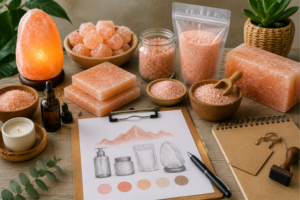
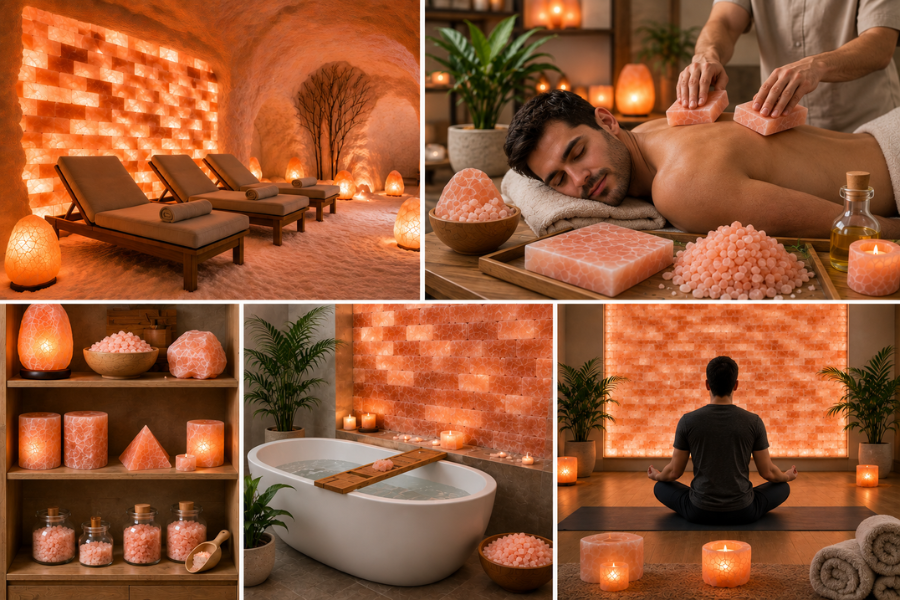
The global wellness industry has experienced remarkable growth over the past decade as consumers increasingly prioritize environments that emphasize relaxation, comfort, natural materials, and premium experiences. Wellness businesses today extend far beyond traditional spas and include luxury hotels, wellness resorts, yoga studios, meditation centers, beauty salons, fitness facilities, holistic therapy clinics, and premium residential developments. As these businesses compete to create memorable spaces that reflect quality and authenticity, Himalayan salt products have become an increasingly popular design choice. Decorative Himalayan salt lamps, illuminated salt walls, architectural bricks, candle holders, bath salts, salt tiles, and customized decorative installations are now incorporated into many wellness-focused environments because of their distinctive natural appearance and timeless appeal. Unlike synthetic decorative materials, genuine Himalayan salt offers naturally occurring crystal formations, warm colors, and unique textures that contribute visual character to commercial interiors. Understanding how wellness businesses use Himalayan salt products helps wholesalers, importers, retailers, architects, hospitality companies, and manufacturers recognize expanding commercial opportunities while responding to one of the fastest-growing segments within the international decorative products market.
Why Has Himalayan Salt Become Popular in the Wellness Industry?
One of the primary reasons Himalayan Salt has become increasingly popular throughout the wellness industry is its ability to complement the overall design philosophy that many wellness businesses aim to create. Modern wellness environments emphasize natural materials, calming interiors, and premium architectural finishes that encourage visitors to enjoy comfortable and thoughtfully designed spaces. Himalayan salt naturally aligns with these objectives because every product displays distinctive crystal patterns, warm shades of pink, orange, peach, and cream, and authentic geological textures that cannot be duplicated through artificial manufacturing. Interior designers appreciate the material’s versatility because it blends harmoniously with wood, marble, stone, glass, bamboo, linen, and contemporary lighting systems commonly used throughout wellness facilities. Business owners also recognize that attractive interiors contribute significantly to customer perception and brand identity, making Himalayan Salt an investment in both aesthetics and long-term commercial value. As customer expectations continue evolving, naturally sourced decorative materials remain an important part of creating sophisticated wellness environments that distinguish businesses from competitors.
How Do Spas Incorporate Himalayan Salt Products?
Luxury spas are among the largest commercial users of Himalayan salt products because attractive surroundings play an essential role in delivering exceptional customer experiences. Reception areas often feature decorative Himalayan salt lamps positioned near welcome desks, while waiting lounges include candle holders, sculptures, and illuminated decorative panels that create visually inviting environments. Treatment rooms frequently incorporate Himalayan salt brick walls, decorative tiles, or customized architectural features that enhance the overall interior design while complementing natural materials such as timber, stone, and soft lighting. Many spa operators also offer Himalayan salt bath products as part of their retail collections, allowing customers to purchase premium products after completing treatments. Designers carefully coordinate these decorative elements with furniture, flooring, lighting, and wall finishes to establish a consistent visual identity throughout the facility. Because every Himalayan salt product possesses unique mineral patterns and natural color variations, spa interiors avoid the repetitive appearance often associated with synthetic decorative materials. This individuality strengthens the luxurious atmosphere while supporting premium brand positioning within highly competitive wellness markets.
Why Are Wellness Centers Choosing Natural Interior Materials?
Wellness centers increasingly recognize that interior design influences how visitors perceive the quality and professionalism of their services. Customers entering a wellness facility often expect an environment that reflects cleanliness, comfort, and thoughtful attention to detail, making natural materials an attractive design solution. Himalayan salt products contribute to these environments by introducing authentic textures, warm natural colors, and visually distinctive architectural features that complement modern wellness interiors. Designers frequently combine Himalayan salt with reclaimed wood, marble, ceramic finishes, indoor plants, woven fabrics, and carefully positioned lighting to create balanced spaces that feel welcoming without becoming overly decorative. Waiting rooms, consultation areas, relaxation lounges, and reception spaces often benefit from decorative salt lamps, illuminated wall panels, and handcrafted accessories that reinforce the facility’s overall design concept. By selecting natural decorative materials instead of mass-produced synthetic alternatives, wellness businesses create memorable interiors that strengthen customer confidence while reflecting the premium standards associated with professional wellness services.
How Are Yoga and Meditation Studios Using Himalayan Salt?
Yoga studios and meditation centers continue expanding globally, creating new commercial opportunities for Himalayan salt manufacturers and interior designers. These facilities often prioritize simple, uncluttered interiors where natural materials contribute warmth and visual harmony without distracting from the primary purpose of the space. Decorative Himalayan salt lamps are frequently positioned near meditation areas, while illuminated salt brick installations become elegant focal points within yoga practice rooms or relaxation lounges. Designers commonly combine Himalayan salt with wooden flooring, natural textiles, bamboo furnishings, and neutral color palettes to establish calming interiors that reflect contemporary wellness design principles. Reception areas also benefit from decorative salt accessories that enhance the overall appearance while introducing authentic geological materials into the environment. Because every Himalayan salt product is naturally unique, these installations contribute individuality without requiring excessive decoration. As yoga and meditation businesses continue expanding internationally, demand for customized Himalayan salt products suitable for wellness-focused interiors is expected to grow steadily.
How Are Hotels and Wellness Resorts Using Himalayan Salt?
Luxury hotels and wellness resorts continue investing in Himalayan salt products because they help create memorable guest experiences while enhancing the overall interior design of the property. Reception areas frequently feature illuminated Himalayan salt walls behind welcome desks, immediately introducing visitors to a sophisticated environment that reflects natural elegance. Guest suites often include decorative Himalayan salt lamps positioned on bedside tables, desks, or relaxation corners where they complement premium furnishings and architectural finishes. Wellness resorts also incorporate Himalayan salt into spa facilities, meditation rooms, massage suites, yoga studios, and private relaxation lounges to establish consistent visual themes throughout the property. Interior designers appreciate that Himalayan salt works beautifully alongside marble, wood, glass, stone, and modern lighting systems, allowing seamless integration into both contemporary and traditional hospitality projects. By selecting authentic natural materials rather than synthetic decorative alternatives, hotels strengthen their brand identity while creating distinctive interiors that guests remember long after their stay. This combination of timeless beauty, durability, and design flexibility continues driving demand throughout the international hospitality industry.
Why Are Beauty Salons and Holistic Clinics Choosing Himalayan Salt?
Beauty salons, skincare clinics, massage centers, and holistic therapy businesses increasingly use Himalayan salt products to enhance the visual appeal of their treatment environments while creating premium customer experiences. Reception counters often display decorative salt lamps, candle holders, or handcrafted sculptures that introduce natural warmth without overwhelming the surrounding décor. Consultation rooms and treatment areas frequently incorporate Himalayan salt wall panels or decorative accessories that blend harmoniously with calming color palettes, soft furnishings, and contemporary lighting. These businesses understand that customers often evaluate service quality based on the overall atmosphere as much as the treatments themselves, making interior design an important commercial investment. Natural materials such as Himalayan salt help distinguish premium wellness businesses from competitors by communicating authenticity, attention to detail, and thoughtful design. Because each Himalayan salt product displays unique mineral patterns and naturally occurring color variations, every installation contributes individuality to the space while supporting consistent branding throughout the business. This growing appreciation for natural decorative materials continues expanding opportunities within the professional beauty and wellness sector.
How Are Wellness Retail Stores Expanding Their Himalayan Salt Product Lines?
Retail businesses specializing in wellness, home décor, and natural lifestyle products have significantly expanded their Himalayan salt collections to meet growing customer interest in naturally sourced decorative items. Stores now offer far more than traditional salt lamps, introducing complete product ranges that include decorative candle holders, bath salts, cooking slabs, serving bowls, architectural bricks, gift sets, decorative sculptures, and customized wellness collections. Retailers carefully merchandise these products together to create visually attractive displays that inspire customers while reinforcing premium brand positioning. Many businesses also develop seasonal collections and private-label products featuring customized packaging and coordinated product themes designed specifically for wellness-focused consumers. Online retailers complement physical stores by providing detailed product descriptions, educational content, and high-quality photography that help customers understand the uniqueness of genuine Himalayan salt. As wellness retail continues growing worldwide, businesses offering diverse product selections supported by professional presentation and reliable sourcing are expected to benefit from increasing consumer demand for natural decorative materials.
Why Is Private Label Manufacturing Growing in the Wellness Market?
Private-label manufacturing has become an increasingly valuable opportunity for wellness businesses seeking to differentiate themselves within competitive international markets. Rather than selling generic products available from multiple suppliers, many wellness brands now collaborate directly with manufacturers to develop exclusive Himalayan salt collections carrying their own branding, packaging, and product specifications. Bath salts, decorative lamps, candle holders, gift collections, wellness accessories, and decorative home products can all be customized to reflect individual brand identities. Private-label packaging often includes premium presentation boxes, personalized labels, custom inserts, and coordinated marketing materials that strengthen product recognition while enhancing perceived value. Wellness businesses appreciate this flexibility because exclusive product lines encourage stronger customer loyalty and improve differentiation from competitors. Manufacturers capable of supporting private-label development, customized packaging, and OEM production therefore play an increasingly important role within the growing wellness sector. As branding continues becoming a central part of commercial success, demand for customized Himalayan salt products is expected to remain strong.
How Does Custom Manufacturing Support Wellness Businesses?
Custom manufacturing allows wellness businesses to develop Himalayan salt products specifically designed for their individual facilities, branding strategies, and customer requirements rather than relying exclusively on standard wholesale collections. Hotels may request architectural salt walls tailored to reception areas, yoga studios may commission custom-sized decorative panels, while spas often require personalized candle holders, decorative lamps, and branded retail collections that complement their interior design concepts. Manufacturers work closely with customers throughout product development to determine dimensions, finishes, packaging, and production specifications that align with project objectives. This collaborative approach ensures products integrate seamlessly into commercial environments while strengthening overall visual consistency. Customized manufacturing also provides opportunities for wellness brands to introduce exclusive gift collections, decorative accessories, and retail products unavailable through competing businesses. As customer expectations continue evolving toward personalized experiences, manufacturers capable of offering flexible customization and professional design support will remain highly valued partners within the international wellness industry.
How Are Interior Designers Driving Demand for Himalayan Salt?
Interior designers have become influential contributors to the growing popularity of Himalayan salt products because they continually seek authentic materials that combine timeless aesthetics with exceptional versatility. Wellness projects frequently require natural decorative elements capable of complementing wood, marble, stone, glass, concrete, ceramic finishes, and carefully planned architectural lighting. Himalayan salt fulfills these requirements while introducing warm, natural colors and unique crystal formations that cannot be replicated through synthetic manufacturing. Designers often specify illuminated salt walls for reception areas, decorative lamps for relaxation rooms, candle holders for waiting lounges, and customized brick installations that become architectural focal points within wellness facilities. They also appreciate the flexibility of Himalayan salt because it integrates successfully into minimalist, Scandinavian, luxury, rustic, and contemporary interior styles without appearing outdated as trends evolve. This ability to combine authenticity with modern design principles has made Himalayan salt a preferred decorative material across numerous commercial wellness projects around the world.
What Should Wellness Businesses Consider Before Purchasing Himalayan Salt Products?
Selecting the right Himalayan Salt products require careful planning to ensure decorative elements complement both the physical environment and the business’s long-term branding objectives. Wellness businesses should evaluate product quality, manufacturing consistency, customization options, packaging standards, supplier experience, and export capabilities before placing significant orders. Decorative products intended for luxury hotels or premium spas often require higher finishing standards and coordinated packaging that reflect the quality of the overall facility. Businesses should also consider installation requirements for architectural products such as salt walls or decorative panels while discussing custom dimensions with manufacturers whenever necessary. Reliable suppliers provide clear specifications, consistent quality control, transparent communication, and professional support throughout production and delivery. Investing time in supplier evaluation helps reduce future challenges while strengthening long-term commercial relationships. Businesses that carefully match Himalayan salt products to their interior design concepts are more likely to create memorable customer experiences while maximizing the value of their investment.
What Is the Future of Himalayan Salt in the Wellness Industry?
The future of Himalayan salt within the wellness industry appears highly promising as businesses continue investing in natural materials, premium customer experiences, and customized interior environments. Growing interest in luxury wellness tourism, boutique hospitality, holistic healthcare, yoga, meditation, premium residential design, and natural home décor all contribute to expanding commercial opportunities for Himalayan salt manufacturers. Continued advances in precision manufacturing, customized production, environmentally responsible packaging, and private-label development allow suppliers to meet increasingly specialized customer requirements across global markets. Digital marketing, AI-powered search, and educational content are also helping businesses better understand the versatility and commercial applications of Himalayan salt products. Manufacturers capable of combining innovation, quality control, customization, and reliable international export services will remain well positioned for future growth. As wellness businesses continue seeking authentic materials that enhance both visual appeal and brand identity, Himalayan salt products are expected to remain among the most distinctive decorative choices available within this rapidly expanding industry.
Conclusion
Himalayan salt products have become valuable design elements within the global wellness industry because they combine authentic natural beauty, remarkable versatility, and timeless decorative appeal across a wide variety of commercial environments. Luxury spas, wellness centers, hotels, yoga studios, meditation facilities, beauty salons, holistic clinics, and wellness retailers increasingly incorporate decorative lamps, architectural walls, candle holders, bath salt collections, customized accessories, and private-label products into their businesses to create memorable customer experiences and strengthen brand identity. Interior designers appreciate Himalayan salt for its compatibility with numerous architectural styles and natural materials, while manufacturers continue expanding customization capabilities to meet evolving commercial demands. Growing interest in premium wellness environments, sustainable design, personalized branding, and high-quality craftsmanship will continue supporting international demand throughout the coming years. Businesses that partner with experienced manufacturers offering reliable quality control, flexible customization, and professional export services will be well positioned to capitalize on this expanding market. As the global wellness sector continues evolving, Himalayan salt products will remain an important part of creating elegant, welcoming, and visually distinctive environments that deliver lasting value for both businesses and their customers.