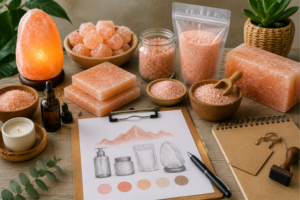
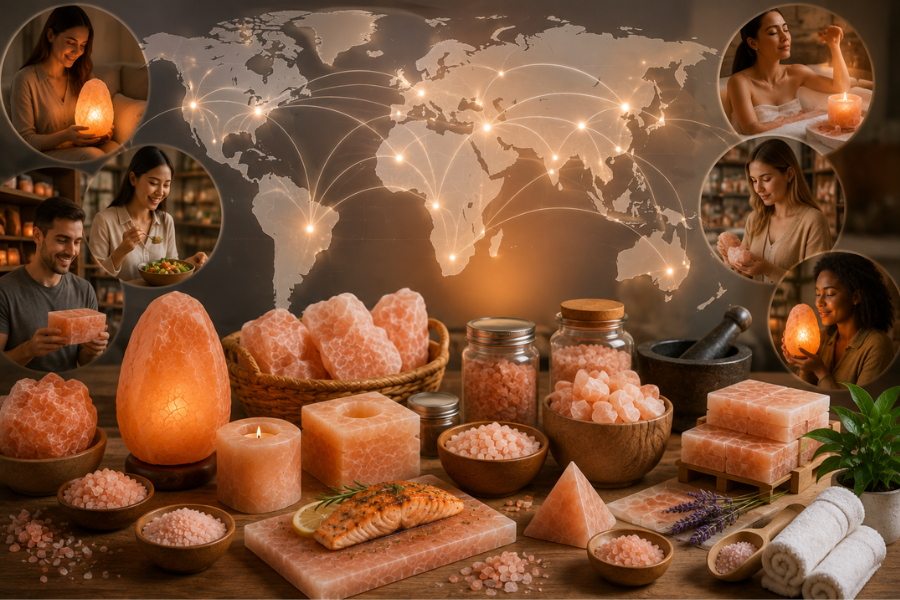
Consumer preferences play an important role in shaping the global Himalayan salt industry because purchasing decisions directly influence product development, manufacturing methods, packaging, branding, and international trade. As Himalayan salt products become available in more countries, manufacturers are responding to changing customer expectations by expanding product collections, improving quality control, investing in customized manufacturing, and introducing innovative packaging solutions. Modern consumers no longer purchase Himalayan salt products solely for one purpose. Instead, they seek a wide range of options that include edible Himalayan pink salt, decorative lamps, architectural salt bricks, cooking slabs, candle holders, bath salts, animal salt licks, and customized gift products. Hotels, restaurants, wellness centers, retailers, architects, and distributors also contribute to growing demand by selecting products that align with premium interior design trends and long-term business goals. Understanding what consumers value most helps manufacturers develop better products while enabling wholesalers, importers, and retailers to make informed purchasing decisions. This guide explores the key preferences influencing Himalayan salt markets around the world and explains how businesses can successfully respond to these evolving customer expectations.
Why Do Consumers Prefer Natural Himalayan Salt Products?
One of the strongest global trends influencing purchasing decisions is the growing preference for authentic natural materials over synthetic alternatives. Consumers increasingly appreciate products that display genuine geological characteristics, natural color variations, and unique crystal formations because these qualities reinforce authenticity and individuality. Himalayan salt products naturally vary in shade, texture, and mineral patterns, making every lamp, brick, candle holder, or decorative accessory slightly different from the next. Rather than viewing these differences as imperfections, many customers consider them desirable characteristics that distinguish genuine Himalayan salt from artificially manufactured decorative products. Businesses have also recognized that natural materials strengthen premium brand positioning by communicating craftsmanship, authenticity, and lasting quality. Hotels, restaurants, wellness centers, and luxury retailers often emphasize naturally sourced products because they align with customer expectations for elegant, timeless interior spaces. As awareness of natural materials continues to grow worldwide, authentic Himalayan salt products remain highly attractive to consumers seeking originality, durability, and products with distinctive visual character.
Why Is Product Quality More Important Than Ever?
Global buyers increasingly prioritize product quality because they expect decorative and commercial products to deliver consistent appearance, reliable craftsmanship, and long-term durability. Rather than focusing exclusively on price, many customers evaluate Himalayan Salt products according to finishing quality, structural integrity, manufacturing precision, packaging standards, and supplier reliability. Decorative lamps should display smooth finishing and stable wooden bases; architectural bricks require accurate dimensions for professional installation, while edible Himalayan pink salt must maintain consistent grain size and appropriate food-grade standards. Consumers also appreciate products that arrive well packaged and protected from transportation damage, particularly when purchasing premium decorative collections or gifting products. Manufacturers investing in strict quality control procedures strengthen customer confidence while reducing returns and maintaining long-term business relationships. As international competition continues increasing, businesses that consistently deliver high-quality Himalayan salt products supported by professional manufacturing standards are likely to achieve stronger customer loyalty and greater success within global markets.
How Has Interior Design Influenced Consumer Preferences?
Interior design trends have significantly expanded consumer interest in Himalayan salt products because homeowners, architects, hotels, restaurants, and commercial businesses increasingly value authentic decorative materials that enhance interior spaces. Modern design styles frequently emphasize simplicity, natural textures, warm lighting, and premium craftsmanship, making Himalayan salt a versatile choice for numerous architectural concepts. Decorative salt lamps, illuminated wall panels, candle holders, architectural bricks, and customized installations complement contemporary, Scandinavian, minimalist, rustic, industrial, and luxury interiors while introducing natural visual warmth. Consumers appreciate that Himalayan salt works harmoniously alongside wood, marble, glass, stone, ceramic finishes, and modern furniture without appearing overly decorative. This flexibility allows businesses and homeowners to integrate Himalayan salt into both new construction projects and renovation work. As interior designers continue recommending natural materials for premium residential and commercial spaces, consumer demand for visually distinctive Himalayan salt products is expected to remain strong throughout international markets.
Why Are Consumers Looking for More Product Variety?
The Himalayan salt market has expanded considerably because consumers now expect manufacturers to offer far more than traditional salt lamps or edible salt products. Buyers increasingly seek complete product collections that include decorative accessories, bath salts, cooking slabs, serving plates, candle holders, architectural panels, gift sets, animal salt licks, and customized home décor items. This wider product selection allows customers to choose products that suit their personal preferences, interior design styles, commercial applications, and gifting needs. Retailers also benefit because broader product portfolios encourage repeat purchases while increasing opportunities for cross-selling complementary items. Manufacturers respond by developing innovative designs, expanding customization capabilities, and introducing seasonal collections that appeal to changing market demands. Product variety has therefore become an important competitive advantage because businesses capable of supplying multiple Himalayan salt categories can serve wholesalers, hospitality companies, wellness brands, retailers, and architects through a single reliable manufacturing partnership.
Why Are Sustainable Products Becoming More Popular Among Consumers?
Sustainability has become one of the most important factors influencing purchasing decisions across global markets, and Himalayan Salt products are no exception. Consumers increasingly prefer products made from naturally sourced materials that reflect responsible manufacturing practices and long-term value rather than disposable decorative items with limited durability. Manufacturers have responded by improving production efficiency, reducing unnecessary waste, maximizing the use of natural salt blocks, and introducing environmentally responsible packaging solutions. Smaller salt fragments generated during manufacturing are often repurposed into bath salts, decorative crystals, candle holders, or crushed salt products, allowing better utilization of natural resources. Buyers also appreciate recyclable cartons, protective packaging that minimizes material use, and transparent communication regarding manufacturing processes. Hotels, retailers, wellness businesses, and interior designers increasingly partner with suppliers that demonstrate environmentally conscious production methods because sustainability now supports both customer expectations and premium brand positioning. As environmental awareness continues growing, demand for responsibly manufactured Himalayan salt products is expected to increase steadily across residential, commercial, and international wholesale markets.
Why Do Buyers Prefer Customized Himalayan Salt Products?
Modern consumers increasingly appreciate products that feel unique and personalized, encouraging businesses to expand their customization capabilities across nearly every Himalayan salt product category. Hotels request architectural salt walls designed specifically for their reception areas, restaurants commission customized cooking slabs and serving accessories, while retailers develop private-label decorative collections that reflect their own branding strategies. Homeowners also seek products that match individual interior design preferences, including custom-sized lamps, candle holders, wall panels, and decorative sculptures. Manufacturers support these changing expectations by offering flexible production methods capable of accommodating personalized dimensions, finishes, packaging, and branding requirements. Customization allows businesses to differentiate themselves within competitive markets while providing customers with products unavailable through standard wholesale catalogs. This growing preference for exclusive product designs encourages long-term relationships between manufacturers and commercial buyers because customized production requires ongoing collaboration throughout design, manufacturing, quality control, and packaging. As personalization continues shaping purchasing behavior, customized Himalayan salt products will remain an important driver of future market growth.
How Does Premium Packaging Influence Consumer Purchasing Decisions?
Packaging has become an essential part of the customer experience because it represents the first physical interaction many buyers have with a product. Consumers increasingly associate attractive, durable, and professionally designed packaging with higher product quality, making packaging an important factor influencing purchasing decisions. Himalayan salt manufacturers now offer premium presentation boxes, moisture-resistant retail packaging, branded cartons, wooden display cases, gift packaging, and customized labeling that enhance the perceived value of decorative and edible product collections. Retailers particularly benefit from well-designed packaging because it strengthens shelf presentation while supporting private-label branding strategies. Export customers also appreciate packaging that protects fragile products throughout international transportation while maintaining an attractive retail appearance upon arrival. Manufacturers who combine reliable protective packaging with elegant visual presentation strengthen customer satisfaction while reducing product damage during shipping. As consumer expectations continue rising across global markets, premium packaging will remain an increasingly valuable competitive advantage for Himalayan Salt businesses seeking long-term commercial success.
How Are Digital Shopping Habits Changing Consumer Preferences?
Digital technology has fundamentally changed how customers research and purchase Himalayan salt products, making online information almost as important as the products themselves. Before making purchasing decisions, consumers frequently compare manufacturers, read educational articles, review product specifications, examine photographs, watch demonstration videos, and evaluate supplier credibility through company websites and online marketplaces. Businesses that provide comprehensive information regarding manufacturing processes, customization options, packaging standards, and product applications establish stronger trust while attracting more qualified buyers. Artificial intelligence and modern search engines also encourage consumers to ask detailed questions before making purchasing decisions, increasing demand for educational content that explains different Himalayan salt product categories and commercial applications. Retailers and wholesalers similarly rely on digital resources when evaluating suppliers for international purchasing partnerships. As online shopping continues expanding worldwide, manufacturers investing in informative websites, professional product photography, AI-friendly content, and responsive customer communication will remain better positioned to meet evolving consumer expectations across both B2B and B2C markets.
Why Are Private Label Products Becoming Increasingly Popular?
Private-label manufacturing continues expanding because retailers, wellness companies, gourmet food brands, gift businesses, and hospitality organizations increasingly want products sold under their own brand identities. Rather than offering identical products available from multiple suppliers, businesses prefer exclusive collections that strengthen customer loyalty while improving market differentiation. Himalayan Salt manufacturers now provide customized labels, branded packaging, personalized gift boxes, engraved wooden lamp bases, and exclusive product designs tailored to specific customer requirements. This flexibility allows commercial buyers to develop premium product lines that reflect their marketing strategies while maintaining consistent manufacturing quality. Private-label products also create stronger long-term partnerships because manufacturers become familiar with customer expectations and production specifications over time. As branding continues playing an increasingly important role in purchasing decisions, private-label Himalayan salt collections are expected to grow across retail, hospitality, wellness, and specialty food industries. Manufacturers capable of supporting OEM production and flexible customization therefore remain highly attractive partners for international commercial buyers.
How Do Consumer Preferences Differ Across International Markets?
Although Himalayan salt enjoys worldwide popularity, customer preferences often vary depending on regional market demands, cultural influences, commercial sectors, and purchasing habits. Some international markets prioritize edible Himalayan pink salt for food-related applications, while others demonstrate stronger demand for decorative lamps, architectural bricks, wellness products, bath salts, or luxury interior design materials. Hotels and wellness businesses frequently purchase customized decorative collections, restaurants emphasize cooking slabs and serving accessories, while agricultural businesses require animal salt licks designed for livestock nutrition. Retailers may focus on gift packaging and visually attractive home décor, whereas wholesalers often prioritize consistent quality, reliable packaging, and efficient container loading. Manufacturers capable of understanding these regional differences are better positioned to develop targeted product collections that satisfy individual customer requirements. Flexibility, market research, and close communication with international buyers therefore remain essential for businesses seeking long-term success within the increasingly diverse global Himalayan salt marketplace.
What Will Consumers Expect from Himalayan Salt Products in the Future?
Consumer expectations will continue evolving as buyers seek products that combine authenticity, customization, premium quality, sustainability, and innovative design within a single purchasing experience. Manufacturers are expected to invest further in precision production technology, environmentally responsible manufacturing, advanced packaging solutions, digital communication, and customized product development to satisfy these changing preferences. Decorative Himalayan salt products will likely become even more integrated into hospitality, wellness, luxury residential construction, and premium commercial interiors, while edible Himalayan pink salt and specialty culinary products continue expanding into new international markets. Customers will also expect greater transparency regarding sourcing, manufacturing methods, and product specifications before making purchasing decisions. Businesses capable of adapting quickly to emerging trends while maintaining consistent quality and reliable customer service will remain well positioned for long-term growth. Continuous innovation combined with authentic craftsmanship will therefore define the future of consumer preferences throughout the global Himalayan salt industry.
Conclusion
Global consumer preferences for Himalayan salt products continue evolving as buyers place greater importance on authenticity, premium quality, sustainability, customization, attractive packaging, and exceptional customer experiences. Rather than viewing Himalayan salt as a single product category, consumers now appreciate its versatility across food, hospitality, wellness, architecture, home décor, agriculture, and commercial applications. Manufacturers have responded by expanding product collections, improving production technology, introducing private-label manufacturing, strengthening quality control systems, and developing customized solutions that meet changing market expectations. At the same time, digital technology has transformed how buyers research products, evaluate suppliers, and compare manufacturing capabilities before making purchasing decisions. Businesses that understand these global preferences can make better decisions regarding product development, branding, marketing, and long-term investment while building stronger relationships with wholesalers, retailers, architects, hospitality companies, and wellness businesses. As international demand continues growing across diverse industries, manufacturers who prioritize innovation, consistent quality, responsible production, and customer-focused customization will remain well-positioned to succeed within the competitive global Himalayan salt market for many years to come.