Himalayan pink salt has become one of the most discussed natural minerals in global food, wellness, and lifestyle markets. As its popularity grows, so does the number of questions surrounding its origin, authenticity, safety, and real-world applications. Buyers, consumers, and businesses alike want to understand what makes this salt different from regular salt, how it should be used, and whether the claims associated with it are accurate. For B2B buyers and importers, these questions go beyond curiosity and directly affect sourcing decisions, compliance requirements, and customer trust. Misunderstandings can lead to incorrect labeling, regulatory issues, or unrealistic product expectations. This FAQ-based guide addresses the most common and important questions people ask about Himalayan pink salt, providing clear, practical explanations grounded in trade reality rather than marketing hype. By answering these frequently asked questions in depth, businesses can better educate customers, strengthen transparency, and position Himalayan pink salt accurately within their product offerings.
What Is Himalayan Pink Salt?
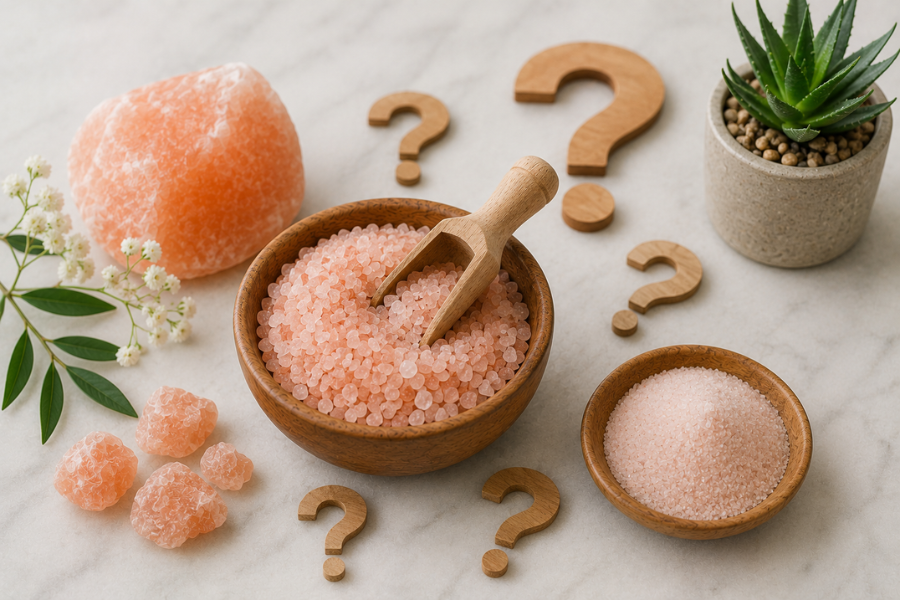
Himalayan pink salt is a natural rock salt mined from ancient salt deposits located primarily in the Salt Range region of Punjab, Pakistan. These deposits were formed hundreds of millions of years ago when prehistoric seas evaporated and became trapped beneath tectonic layers, protecting the salt from modern environmental pollution. The salt is recognized by its pink to reddish coloration, which comes from naturally occurring trace minerals, particularly iron oxide. Unlike refined table salt, Himalayan pink salt is minimally processed, typically involving washing, drying, crushing, and grading without chemical refinement. This preservation of its natural structure is a key reason it is favored in gourmet food, wellness, and decorative applications. In global trade, Himalayan pink salt is valued not only for its functionality but also for its geological history and visual appeal. Buyers often choose it for premium positioning, clean-label products, and markets where origin authenticity matters. Understanding what Himalayan pink salt truly is helps separate factual characteristics from exaggerated claims.
Is Himalayan Pink Salt Natural or Processed?
Himalayan pink salt is considered a natural salt because it undergoes minimal processing compared to refined salts. After extraction from underground mines, the salt is cleaned to remove surface impurities, then crushed and graded into various sizes. No chemical bleaching, anti-caking agents, or synthetic additives are typically used in its preparation. This limited processing preserves the salt’s natural mineral content and crystal structure. However, it is important to understand that “natural” does not mean completely untouched. Basic processing is necessary to ensure safety, consistency, and suitability for commercial use. For food-grade Himalayan pink salt, additional quality checks and sanitation steps are applied to meet regulatory standards. From a buyer’s perspective, the balance between natural integrity and food safety is essential. The salt remains natural in composition while still being responsibly processed to support global distribution, storage, and consumption.
Why Is Himalayan Salt Pink?
The pink coloration of Himalayan salt comes from trace minerals embedded within the salt crystals during geological formation. Iron oxide is the primary contributor to the pink and reddish hues, although calcium, magnesium, and potassium also play minor roles. The concentration and distribution of these minerals vary across different sections of the salt deposit, which is why color intensity can differ from pale pink to deeper rose shades. This natural coloration is one of the salt’s most distinctive features and a key factor in its commercial appeal. Importantly, the color is not artificially added or enhanced. Buyers should be aware that color variation is normal and does not indicate inconsistency or poor quality. In fact, natural variation is often viewed as a sign of authenticity. Understanding why Himalayan salt is pink helps buyers and consumers avoid confusing it with artificially colored or non-Himalayan pink salts.
Does Himalayan Pink Salt Contain Minerals?
Yes, Himalayan pink salt contains trace amounts of naturally occurring minerals that were trapped within the salt deposits during formation. These minerals include calcium, magnesium, potassium, and iron, among others. While the quantities are small and do not significantly contribute to daily nutritional requirements, they influence the salt’s color, texture, and perceived value. From a commercial standpoint, mineral presence is more relevant for branding and market positioning than for nutritional impact. Buyers should be cautious about exaggerated health claims related to mineral content, as regulatory authorities often restrict such statements. However, the natural mineral profile does differentiate Himalayan pink salt from fully refined salts, which are stripped of all minerals during processing. For wellness, gourmet, and premium food markets, mineral retention adds to the salt’s appeal and storytelling potential.
Is Himalayan Pink Salt Safe to Eat?
Food-grade Himalayan pink salt is safe to eat when sourced from reputable suppliers who follow proper processing and testing standards. Like all edible salts, it must meet regulatory limits for heavy metals and contaminants. Responsible exporters conduct laboratory testing to ensure compliance with food safety requirements in destination markets. Buyers should always request certificates of analysis and food-grade documentation before importing Himalayan pink salt for consumption. It is important to note that industrial-grade Himalayan salt also exists and is not suitable for food use. Proper classification and labeling ensure consumer safety. When handled correctly, Himalayan pink salt performs safely and effectively as a culinary ingredient across household and commercial applications.
How Is Himalayan Pink Salt Different from Table Salt?
Himalayan pink salt differs from table salt primarily in processing, composition, and appearance. Table salt is highly refined, removing all trace minerals and typically adding anti-caking agents to improve flow. Himalayan pink salt retains its natural mineral profile and is free from chemical additives. Visually, table salt is uniformly white and fine, while Himalayan salt displays natural color variation and irregular crystal shapes. Functionally, both provide sodium chloride, but Himalayan salt is often positioned as a premium or specialty product. Buyers choose between them based on application needs, branding goals, and regulatory considerations. Understanding these differences supports informed sourcing and product development decisions.
What Are the Common Uses of Himalayan Pink Salt?
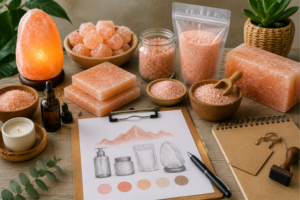
Himalayan pink salt is used across a wide range of applications, including food seasoning, cooking slabs, animal salt licks, bath salts, spa treatments, decorative lamps, and industrial wellness products. Its versatility makes it attractive to multiple industries. In food applications, it is valued for visual appeal, natural positioning, and subtle mineral taste. In wellness markets, it is associated with relaxation, detoxification, and natural living. In agriculture, compressed Himalayan salt blocks are used for livestock mineral supplementation. Buyers should match the salt’s grade, grain size, processing level, and purity to the intended use. Understanding use cases helps maximize value and performance effectively.
How Can Buyers Identify Authentic Himalayan Pink Salt?
Authentic Himalayan pink salt can be identified through origin documentation, laboratory analysis, and supplier transparency across the supply chain. Reputable exporters provide certificates confirming the salt’s source in Pakistan’s Salt Range, supported by mine registration and export records. Visual inspection alone is not sufficient, as other pink salts exist globally with similar coloration but different geological origins. Buyers should verify processing standards, heavy metal testing reports, and third-party quality audits before finalizing contracts. Consistent color variation, crystal structure, and complete documentation together support authenticity and long-term supply reliability. Establishing strong supplier relationships further reduces the risk of misrepresentation and ensures dependable, compliant sourcing for international markets.
Is All Pink Salt Himalayan?
No, not all pink salt is Himalayan. Pink salts can originate from various regions around the world where mineral content influences color. While Himalayan pink salt is one of the most well-known varieties, other pink salts differ in geological origin, mineral profile, and trade value. Some salts may be artificially colored or sourced from different mountain ranges. Mislabeling non-Himalayan salt as Himalayan can lead to legal, regulatory, and reputational risks. Buyers must carefully verify origin through certificates, lab tests, and supplier credentials. Understanding these differences ensures ethical sourcing, accurate marketing, and informed purchasing decisions, while protecting brand credibility and consumer trust globally.
How Should Himalayan Pink Salt Be Stored?
Himalayan pink salt should be stored in dry, moisture-controlled environments to prevent clumping, surface sweating, and crystal degradation. Its hygroscopic nature makes proper storage especially important for bulk buyers, distributors, and food processors. Food-grade storage areas should remain clean, ventilated, and protected from humidity, pests, and cross-contamination risks. Appropriate packaging materials, such as laminated bags or sealed containers, help preserve quality during long-distance transportation and warehousing. Proper storage practices ensure the salt maintains its natural appearance, texture, and functional performance throughout its shelf life. Buyers should also rotate stock regularly, avoid direct sunlight, and monitor humidity levels to maintain optimal quality.
Is Himalayan Pink Salt Suitable for Export?
Yes, Himalayan pink salt is widely suitable for export to global markets for food, wellness, decorative, and industrial applications. Export suitability depends on compliance with destination regulations, accurate grading, proper packaging, and complete trade documentation. Buyers should confirm applicable food safety certifications, HS codes, labeling requirements, and customs procedures before shipment. Logistics planning, including moisture protection and container handling, also plays a critical role. When handled professionally, Himalayan pink salt supports stable international trade relationships and long-term commercial scalability for exporters and importers alike. Exporters should also maintain traceability records, verify supplier certifications, and provide laboratory reports to enhance buyer confidence and meet regulatory expectations.
Conclusion
Himalayan pink salt continues to attract strong global interest, making clear, accurate information essential for buyers, brands, and consumers alike. Addressing frequently asked questions helps eliminate confusion, prevent misinformation, and support informed sourcing decisions. By understanding origin, processing, safety, storage, and trade requirements, businesses can position Himalayan pink salt responsibly and competitively. Clear knowledge strengthens customer trust, regulatory compliance, and long-term success across international food, wellness, and specialty salt markets. Buyers and exporters who prioritize certifications, quality control, proper packaging, and transparent labeling gain a strategic advantage. Educated sourcing decisions reduce operational risks, enhance brand reputation, and ensure sustainable growth in competitive global salt markets.