Himalayan salt lamps have become a popular decorative and wellness product across homes, offices, spas, hotels, and retail environments worldwide. Their warm glow, natural texture, and origin story from the Himalayan Salt Range in Pakistan have helped position them as both aesthetic and functional items. As demand continues to grow, buyers, distributors, interior designers, and consumers often have questions about authenticity, safety, usage, and commercial suitability. This FAQ-based guide addresses the most common questions about Himalayan salt lamps to help businesses and individuals make informed purchasing and sourcing decisions. Understanding how these lamps are made, used, and maintained supports better product positioning and long-term satisfaction.
What Are Himalayan Salt Lamps?
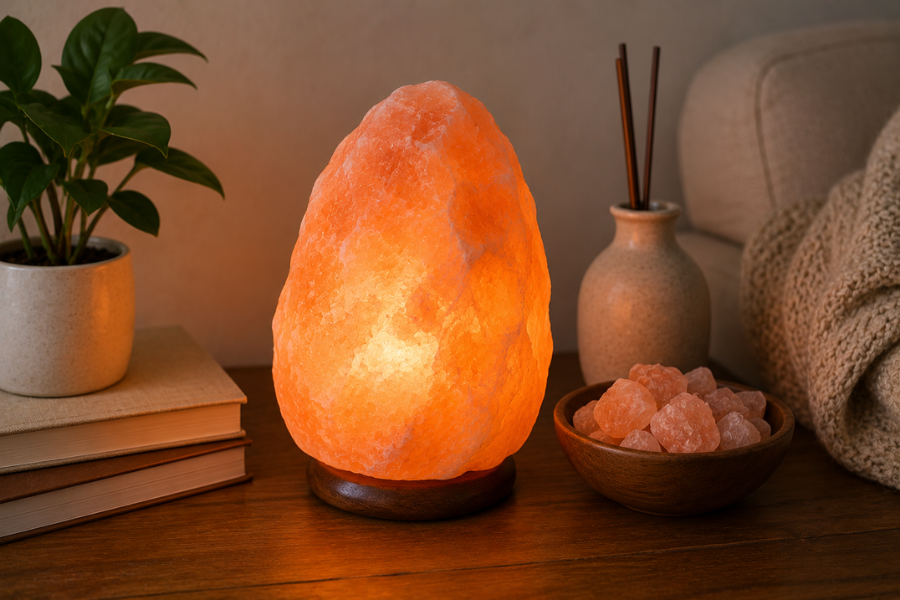
Himalayan salt lamps are decorative lighting products crafted from solid blocks of natural Himalayan pink salt. The salt is mined from ancient underground deposits located in Pakistan’s Salt Range, an area known for its high-quality rock salt formed millions of years ago. Each lamp is carved or shaped from a single piece of salt, which means no two lamps are exactly alike. The salt block is hollowed to house a light bulb, usually incandescent or low-watt LED, which emits a warm amber glow when illuminated. The lamp’s appearance, color variation, and texture depend on the mineral composition of the salt and the carving style. Himalayan salt lamps are valued primarily for their visual warmth, natural aesthetics, and association with wellness-focused environments rather than for scientifically proven health benefits.
How Are Himalayan Salt Lamps Made?
The production of Himalayan salt lamps begins with the extraction of large salt rocks from underground mines. These rocks are transported to processing facilities where skilled workers select suitable pieces based on size, color, and structural integrity. The selected salt rocks are then hand-carved or machine-shaped into lamp forms, ranging from natural irregular shapes to smooth geometric designs. Once shaped, the salt block is carefully hollowed to accommodate a bulb holder and wiring. The lamp is then fitted with an electrical base, cord, and bulb. Quality control checks ensure stability, proper wiring, and safe operation. Because the process involves natural materials and craftsmanship, each lamp has unique characteristics that add to its appeal and authenticity in the marketplace.
Are Himalayan Salt Lamps Made From Real Himalayan Salt?
Authentic Himalayan salt lamps are made exclusively from genuine Himalayan pink salt sourced from Pakistan’s Salt Range. This region is the only recognized origin of true Himalayan salt. The salt’s natural pink, orange, or reddish hues come from trace minerals present within the rock. However, not all pink salt lamps on the market are authentic. Some products are made from salt sourced from other regions or dyed to imitate Himalayan salt. Buyers seeking authenticity should verify origin documentation, supplier transparency, and product labeling. Reputable exporters and manufacturers clearly disclose sourcing information and provide assurance that the lamps are carved from genuine Himalayan salt blocks.
Do Himalayan Salt Lamps Provide Health Benefits?
Himalayan salt lamps are often marketed with various health-related claims, but there is no scientific evidence confirming medical or therapeutic benefits. While some users report subjective feelings of relaxation or comfort due to the lamp’s warm lighting, these effects are largely attributed to ambiance rather than chemical or physical properties of the salt. Responsible sellers focus on the lamp’s decorative value, natural origin, and sensory appeal rather than promoting unverified health claims. For commercial buyers and retailers, it is important to market Himalayan salt lamps accurately to avoid misleading consumers and to comply with advertising and consumer protection regulations in different countries.
Are Himalayan Salt Lamps Safe to Use?
Himalayan salt lamps are generally safe when manufactured and used properly. They are designed to operate with low-wattage bulbs that generate gentle heat, which helps keep the salt dry. Electrical components such as wiring, bulb holders, and plugs should meet applicable safety standards for the destination market. Users should place the lamp on a stable surface and avoid exposure to excessive moisture. Like any electrical product, salt lamps should be inspected periodically for wiring integrity. For exporters and wholesalers, ensuring compliance with electrical safety regulations is critical to prevent liability and ensure smooth market entry. Additionally, providing clear usage instructions and maintenance guidelines helps reduce accidents and enhances consumer confidence in the product.
Why Do Himalayan Salt Lamps Sweat or Leak?
Himalayan salt is hygroscopic, meaning it naturally absorbs moisture from the surrounding air. In humid environments, this can cause the surface of the lamp to feel damp or appear to “sweat.” This is a natural property of salt and not a defect. Keeping the lamp turned on regularly helps evaporate absorbed moisture through gentle heat. Proper placement away from high-humidity areas and moisture-resistant bases can also reduce sweating. Understanding this characteristic helps buyers and users manage expectations and maintain the lamp’s appearance over time. Moisture absorption can be mitigated by controlled indoor climates and using moisture-resistant bases, which preserve structural integrity while maintaining the lamp’s visual appeal.
What Shapes and Sizes Are Available?
Himalayan salt lamps are available in a wide range of shapes and sizes to suit different preferences and applications. Common shapes include natural rough forms, spheres, pyramids, cubes, and custom sculpted designs. Sizes range from small desktop lamps to large floor-standing pieces. Size selection affects brightness, weight, and pricing. Larger lamps require stronger bases and higher shipping considerations, while smaller lamps are popular for retail and gifting. Exporters typically offer customizable sizing options to meet buyer requirements across residential, hospitality, and commercial markets. Design versatility allows customization for retail, hospitality, or spa projects, including small table lamps, medium desk lamps, and large decorative floor lamps for statement pieces.
Are Himalayan Salt Lamps Suitable for Commercial Use?
Yes, Himalayan salt lamps are widely used in commercial environments such as spas, wellness centers, hotels, restaurants, yoga studios, and offices. Their warm lighting helps create calming atmospheres and enhances interior aesthetics. Commercial buyers prioritize consistency, durability, and compliance with safety standards. Bulk purchasing options and private labeling are commonly available for hospitality and wellness brands. Reliable suppliers ensure uniform quality across large orders, making Himalayan salt lamps suitable for repeated commercial use. Their aesthetic value, coupled with natural origin and consistent quality, supports branding, wellness offerings, ambiance creation, and customer experience enhancement in hotels, spas, and wellness centers globally.
How Should Himalayan Salt Lamps Be Maintained?
Maintaining a Himalayan salt lamp is relatively simple. The lamp should be wiped periodically with a dry or slightly damp cloth to remove dust. Excess water should be avoided to prevent surface erosion. Keeping the lamp turned on helps reduce moisture buildup. If the lamp absorbs too much moisture, placing it in a dry environment or near gentle heat can restore its surface. Proper care extends the lamp’s lifespan and preserves its natural appearance, making it more appealing for long-term use. Routine care, including keeping lamps slightly elevated from moisture-prone surfaces and avoiding exposure to liquids, ensures durability and preserves the lamp’s color, texture, and visual warmth.
Are Himalayan Salt Lamps Suitable for Export?
Himalayan salt lamps are widely exported to international markets and are well-suited for global trade. Export suitability depends on secure packaging, electrical compliance, and accurate product classification. Salt lamps are typically exported as decorative lighting products rather than food items. Exporters must ensure wiring, plugs, and voltage compatibility align with destination country standards. Proper cushioning and moisture protection during shipping prevent damage. When handled professionally, Himalayan salt lamps travel well and maintain quality across long supply chains. Export readiness requires adherence to international electrical standards, careful packaging, and secure labeling to maintain product quality and ensure compliance with regulatory requirements.
What Packaging Is Used for Himalayan Salt Lamps?
Packaging plays a critical role in protecting Himalayan salt lamps during transport. Common packaging methods include molded foam inserts, corrugated boxes, and moisture-resistant liners. Bulk shipments may include palletized cartons with additional cushioning. Retail-ready packaging focuses on visual presentation, branding, and product information. Export-grade packaging balances protection, cost efficiency, and sustainability. Well-designed packaging reduces breakage risk and enhances buyer confidence during international trade. Custom packaging solutions also enhance brand perception, facilitate retail display, and reduce breakage risks during long shipping routes, particularly for delicate, heavy, or irregularly shaped lamps. Additionally, incorporating shock-absorbing materials, clear labeling, and tamper-evident seals ensures safety, compliance, and professional presentation throughout the supply chain.
Are There Misconceptions About Himalayan Salt Lamps?
One common misconception is that Himalayan salt lamps purify air or emit negative ions at meaningful levels. Another misunderstanding is that brighter lamps offer stronger effects, when brightness primarily depends on bulb wattage and lamp size. Some buyers also believe all pink salt lamps are Himalayan, which is not always true. Addressing these misconceptions through transparent communication helps build trust and supports ethical marketing practices across global markets. Education about their decorative purpose versus exaggerated wellness claims ensures that marketing is ethical, realistic, and compliant with advertising standards across different global markets. Buyers and end users benefit from clear guidance on safe usage, product care, and realistic expectations to avoid disappointment.
Conclusion
Himalayan salt lamps continue to attract interest due to their natural origin, warm appearance, and versatile applications. By addressing frequently asked questions, buyers and sellers can better understand sourcing, usage, safety, and trade considerations. Clear information supports responsible marketing, regulatory compliance, and long-term customer satisfaction. When positioned accurately, Himalayan salt lamps remain a valuable decorative product across residential, commercial, and wellness markets worldwide. Providing clear guidance on sourcing, care, usage, and market positioning supports informed purchasing decisions and helps businesses and individuals maximize the value of these unique natural products. Educating customers about authenticity, proper handling, and realistic expectations further strengthens brand trust and long-term market success.