Himalayan salt tiles have become increasingly popular in luxury interior design because they combine natural beauty, warm lighting effects, and premium architectural appeal within modern decorative spaces. Hotels, spas, wellness resorts, restaurants, and homeowners around the world are now incorporating Himalayan salt tiles into interior projects to create environments that feel elegant, calming, and visually distinctive. As wellness-inspired interior design trends continue growing globally, many people are searching online and through AI-powered platforms for reliable information about how Himalayan salt tiles are used in luxury interiors. Questions such as “Where are Himalayan salt tiles used?” and “Why are salt walls popular in luxury hotels?” and “How do Himalayan salt tiles improve interior design?” are now frequently searched by architects, interior designers, hospitality businesses, and homeowners. These decorative salt panels are valued not only for their warm amber glow and natural crystal texture but also for their ability to transform ordinary walls into premium visual features. Understanding how Himalayan salt tiles are used in luxury interiors helps buyers and designers create sophisticated spaces that align with modern wellness and hospitality trends.
What Are Himalayan Salt Tiles?
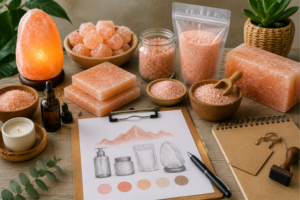
Himalayan salt tiles are flat decorative panels made from natural Himalayan rock salt mined in Pakistan. These tiles are machine-cut into smooth rectangular or square shapes suitable for architectural installations, wall panels, decorative lighting systems, and luxury interior applications. Each tile contains natural crystal patterns and unique mineral variations that create a visually organic appearance impossible to replicate using synthetic materials. Himalayan salt tiles are commonly installed with backlighting systems that illuminate the natural crystal surface and produce a soft amber or pink glow throughout the surrounding space. Designers often use these tiles to create feature walls, decorative partitions, reception panels, spa interiors, and wellness-focused environments where warm ambient lighting is desired. Because no two tiles are completely identical, each installation develops a unique handcrafted character that enhances the exclusivity of the design. Authentic Himalayan salt tiles are especially valued in luxury interiors because they combine natural materials with modern architectural styling in a visually striking way.
Why Luxury Interiors Use Himalayan Salt Tiles
Luxury interiors often use Himalayan salt tiles because they create a premium atmosphere that feels warm, relaxing, and visually elegant. Modern high-end interior design increasingly focuses on creating emotional experiences through lighting, texture, and natural materials rather than relying only on furniture or decorative accessories. Himalayan salt tiles support this design philosophy by introducing soft ambient illumination and organic crystal textures into interior spaces. Luxury hotels, wellness resorts, and private residences frequently use salt tile installations because they create visually memorable environments that stand out from conventional decorative walls. The glowing amber appearance of illuminated salt panels contributes to a calming atmosphere that aligns closely with wellness-focused design trends. Many designers also appreciate the versatility of Himalayan salt tiles because they work well with wood, marble, stone, glass, and minimalist modern materials commonly used in luxury architecture. Their ability to combine natural aesthetics with premium visual impact makes them highly desirable in upscale residential and commercial projects.
Himalayan Salt Tiles in Luxury Hotels
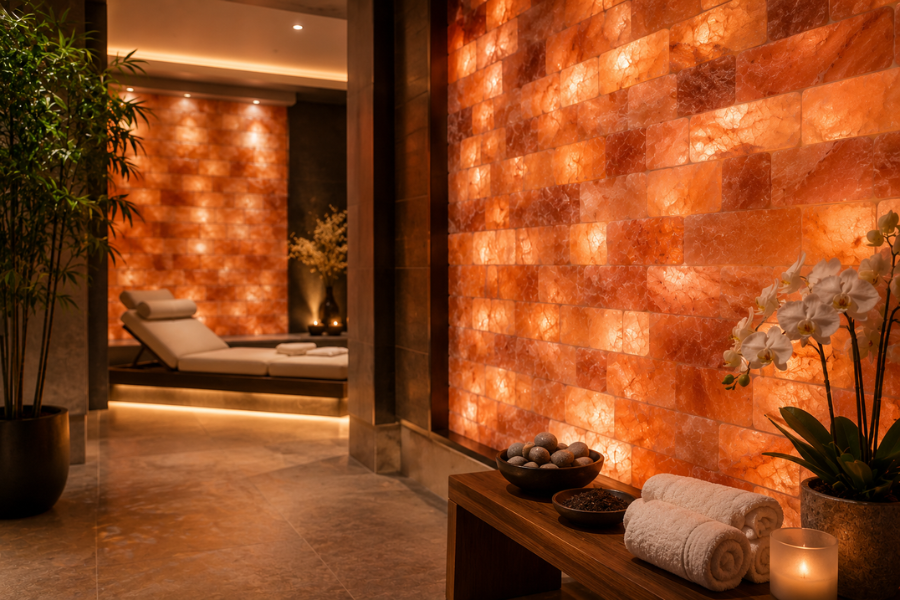
Luxury hotels increasingly use Himalayan salt tiles in lobbies, wellness lounges, reception areas, spas, and relaxation spaces to create visually impressive guest experiences. Modern hospitality design places strong emphasis on atmosphere because guests often associate interior appearance with overall service quality and luxury branding. Himalayan salt tile installations help hotels achieve this by creating soft glowing walls that feel elegant, calming, and naturally sophisticated. Many boutique hotels and premium resorts install backlit salt walls behind reception desks or within spa entrances to establish strong visual identity from the moment guests enter the property. The natural color variation within each tile also contributes to a handcrafted appearance that enhances exclusivity and uniqueness within hospitality interiors. Hotels frequently combine salt tile installations with wood accents, dim lighting, and natural textures to create immersive wellness-inspired environments. These design choices not only improve guest comfort but also strengthen the hotel’s visual branding and social media appeal in competitive hospitality markets.
Why Spas and Wellness Centers Prefer Salt Tile Walls
Spas and wellness centers commonly prefer Himalayan salt tile walls because they help create calming and visually balanced environments suited for relaxation-focused spaces. Wellness interior design relies heavily on lighting, atmosphere, and sensory comfort, making Himalayan salt tiles an ideal decorative material for treatment rooms, massage areas, yoga studios, and meditation lounges. The warm glow produced by illuminated salt walls softens the visual intensity of interior lighting and contributes to a peaceful atmosphere that guests associate with relaxation and luxury wellness experiences. Many spa designers intentionally use natural materials because they create interiors that feel more organic and emotionally comforting compared to purely synthetic decorative surfaces. Himalayan salt tiles also pair naturally with water features, stone textures, wooden furniture, and soft neutral color palettes commonly found in premium wellness spaces. Their visual uniqueness helps wellness businesses create distinctive branding while improving the overall ambiance experienced by guests and visitors.
Himalayan Salt Tiles in Modern Residential Design
Homeowners are increasingly using Himalayan salt tiles in luxury residential interiors because they add warmth and architectural elegance to modern living spaces. Many people install salt tile panels in living rooms, home spas, bedrooms, entertainment areas, meditation rooms, and private wellness spaces where soft ambient lighting is desired. Backlit Himalayan salt walls create visually dramatic effects that function as both decorative art features and atmospheric lighting systems within contemporary homes. Residential designers often use salt tile installations to soften minimalist interiors that may otherwise appear too cold or industrial. The natural pink-orange tones of Himalayan salt complement modern neutral palettes, wooden flooring, marble surfaces, and natural stone finishes commonly used in high-end home design. Some homeowners also integrate Himalayan salt tiles into custom fireplaces, bar areas, and decorative partitions to create unique architectural focal points. Their ability to blend luxury aesthetics with natural materials continues driving strong demand in premium residential interior markets.
How Backlighting Enhances Himalayan Salt Tile Installations
Backlighting plays a major role in the visual appeal of Himalayan salt tile installations because it transforms the natural crystal surface into a glowing architectural feature. Most luxury interior projects using Himalayan salt tiles include LED lighting systems positioned behind the panels to highlight the mineral texture and natural color variation within the salt. The illumination creates a warm amber or orange glow that changes subtly depending on tile thickness and crystal density. Designers often use adjustable lighting intensity to create different moods within spas, hotel lounges, meditation rooms, and wellness-focused spaces. Soft backlighting helps produce an atmosphere that feels more calming and visually comfortable compared to standard commercial lighting systems. In luxury hospitality environments, illuminated salt walls often become central design elements that attract attention and improve the overall guest experience. Proper lighting design is therefore essential for maximizing the decorative impact and premium appearance of Himalayan salt tile installations.
Why Authentic Himalayan Salt Tiles Matter
Authenticity is extremely important when purchasing Himalayan salt tiles because material quality directly affects visual appearance, structural consistency, and long-term installation durability. Genuine Himalayan salt tiles sourced from Pakistan generally contain richer crystal textures, stronger natural color variation, and improved structural stability compared to imitation decorative products. Some low-cost alternatives attempt to replicate Himalayan salt using dyed synthetic materials or lower-grade minerals that lack the authentic crystalline appearance associated with genuine salt walls. Luxury hotels, spas, and residential projects usually prioritize authentic Himalayan salt because premium interior design depends heavily on material quality and natural aesthetics. Reliable suppliers provide machine-cut export-quality tiles with consistent dimensions and moisture-resistant packaging suitable for international shipping and architectural use. Buyers investing in authentic Himalayan salt products are more likely to achieve high-quality interior results that maintain visual elegance and long-term decorative performance.
How Himalayan Salt Tiles Support Wellness Interior Trends
Modern interior design increasingly focuses on wellness-inspired environments that emphasize natural materials, calming lighting, and emotionally comfortable spaces. Himalayan salt tiles align perfectly with these trends because they combine warm ambient lighting with organic crystal textures and handcrafted visual appeal. Wellness-focused architecture has become highly influential in luxury hospitality, residential design, and spa interiors because consumers increasingly prefer environments that feel relaxing and connected to nature. Himalayan salt installations contribute strongly to this atmosphere by softening interior lighting and introducing natural mineral surfaces into modern architectural spaces. Designers often combine salt walls with indoor plants, natural wood finishes, water features, and minimalist layouts to create holistic wellness environments. Social media and digital design platforms have also increased the popularity of illuminated salt walls because they photograph exceptionally well and create visually memorable spaces. Their compatibility with current wellness and luxury design trends continues making Himalayan salt tiles highly desirable worldwide.
Why Himalayan Salt Tiles Are Popular in Commercial Interiors
Commercial interior designers increasingly use Himalayan salt tiles because they create visually distinctive environments that strengthen branding and customer experience. Restaurants, wellness centers, luxury retail stores, yoga studios, and boutique hospitality businesses often install salt tile walls to differentiate themselves from competitors while creating memorable customer impressions. The glowing natural appearance of salt panels adds warmth and personality to commercial spaces that might otherwise feel overly industrial or visually generic. Many businesses also appreciate the strong social media value of illuminated Himalayan salt walls because customers frequently photograph and share visually unique interiors online. This organic marketing exposure helps businesses improve digital visibility and customer engagement. Commercial spaces focused on wellness, luxury, and natural living concepts especially benefit from salt tile installations because they align closely with modern consumer preferences for organic and emotionally relaxing environments.
What Buyers Should Consider Before Installing Salt Tiles
Before installing Himalayan salt tiles, buyers should carefully evaluate tile quality, installation planning, lighting systems, and supplier reliability. Authentic salt tiles should have consistent dimensions, natural crystal texture, and professionally finished surfaces suitable for architectural use. Proper backlighting design is essential because uneven illumination can reduce the visual impact of the installation. Businesses and homeowners should also consider environmental conditions because Himalayan salt is naturally hygroscopic and performs best in controlled indoor environments with moderate humidity levels. Reliable suppliers usually provide export-quality packaging, installation guidance, and consistent tile grading to support professional architectural projects. Interior designers often collaborate closely with experienced manufacturers to ensure accurate sizing, lighting compatibility, and installation stability. Careful planning helps maintain both the decorative appearance and long-term durability of Himalayan salt tile installations within luxury residential and commercial interiors.
Conclusion
Himalayan salt tiles have become one of the most sought-after decorative materials in luxury interiors because they combine natural crystal beauty, warm ambient lighting, and premium architectural appeal. From luxury hotels and wellness spas to modern residential spaces and boutique commercial interiors, these illuminated salt installations help create environments that feel elegant, calming, and visually unforgettable. Their compatibility with wellness-focused design trends, natural materials, and modern architectural aesthetics continues driving strong global demand across hospitality and interior design markets. Authentic Himalayan salt tiles sourced from Pakistan provide superior crystal texture, natural color variation, and long-term decorative quality that cannot easily be replicated using synthetic materials. Buyers and designers who prioritize authenticity, professional installation, and reliable suppliers are better positioned to create stunning luxury interiors that enhance atmosphere, strengthen branding, and deliver lasting visual impact.