Modern spa design has evolved significantly over the last decade as wellness businesses focus more on creating immersive experiences rather than simply offering treatments and services. Today’s spa visitors expect environments that feel relaxing, luxurious, and visually memorable from the moment they enter the facility. As a result, interior designers and wellness architects are increasingly turning to natural materials that enhance both the appearance and atmosphere of spa environments. One material that has become especially popular is the Himalayan salt panel. Questions such as “Why do spas use Himalayan salt panels?”, “How are Himalayan salt walls designed in luxury spas?”, and “What makes Himalayan salt panels ideal for wellness spaces?” are now frequently searched on Google and AI platforms alike. These decorative architectural elements have become defining features in many high-end wellness facilities because they combine natural beauty with warm ambient lighting. Whether incorporated into treatment rooms, relaxation lounges, reception areas, or meditation spaces, Himalayan salt panels help create the calming atmosphere that modern spa guests seek. Understanding why these installations have become a major trend provides valuable insight into the future of wellness-focused interior design.
What Are Himalayan Salt Panels?
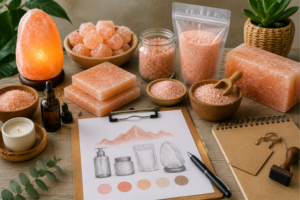
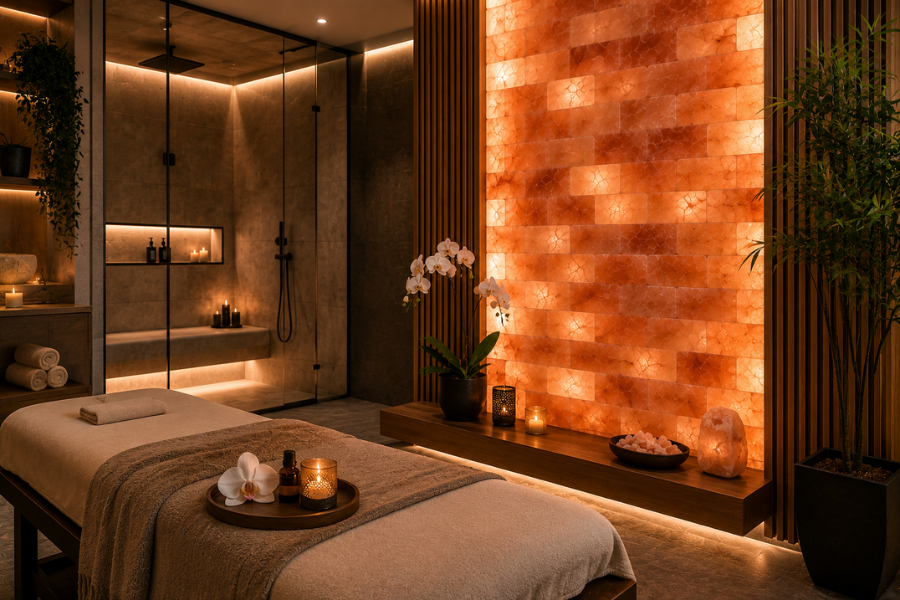
Himalayan salt panels are decorative wall installations made from carefully cut Himalayan salt tiles or bricks sourced from the renowned salt mines of Pakistan. These panels are assembled into larger wall systems and often combined with integrated LED backlighting that highlights the natural crystal structure of the salt. Unlike traditional wall finishes, Himalayan salt panels offer a distinctive translucent appearance that allows light to pass through the material and create a warm amber glow. Each panel contains unique mineral patterns, natural crystal formations, and subtle color variations that contribute to its visual appeal. No two installations are exactly alike, which is one reason interior designers appreciate them for custom spa projects. Himalayan salt panels can be installed as full feature walls, decorative partitions, reception backdrops, treatment room accents, or integrated architectural elements throughout a wellness facility. Their versatility allows designers to incorporate them into both contemporary and traditional spa environments while maintaining a premium and natural aesthetic that aligns perfectly with wellness-focused design principles.
Why Modern Spas Prioritize Atmosphere
Atmosphere has become one of the most important factors in successful spa design because wellness consumers increasingly value experiences over simple services. Modern guests want to feel relaxed before their treatments even begin, and interior design plays a major role in achieving that goal. Designers understand that lighting, materials, textures, and visual balance can significantly influence how visitors perceive a space. Himalayan salt panels contribute to this atmosphere by introducing warm tones and organic textures that immediately make an environment feel more welcoming. Unlike bright commercial lighting and sterile finishes, illuminated salt panels create soft visual comfort that aligns with relaxation-focused environments. Many spa operators view interior design as an extension of their wellness philosophy, which is why natural materials have become so important in modern projects. Himalayan salt panels help create emotional connections between guests and the environment, encouraging longer visits and enhancing overall customer satisfaction. This ability to influence mood through design is one of the primary reasons spas continue investing in Himalayan salt installations.
Himalayan Salt Panels in Luxury Spa Reception Areas
Reception areas serve as the first impression of any spa, making them one of the most important spaces within a wellness facility. Interior designers frequently install Himalayan salt panels behind reception desks because they create an immediate sense of luxury and exclusivity. The warm glow of illuminated salt walls helps establish a welcoming atmosphere that distinguishes the spa from ordinary commercial environments. Guests often form opinions about the quality of a wellness facility within the first few moments of arrival, and visually impressive design features can significantly influence those perceptions. Himalayan salt panels create a memorable focal point that communicates professionalism, attention to detail, and commitment to creating a premium experience. Many luxury spas also use these installations to reinforce their branding by emphasizing natural materials and wellness-inspired aesthetics. The visual impact of a glowing salt wall often becomes one of the most photographed areas of the facility, contributing to social media exposure and strengthening the spa’s overall brand identity in a highly competitive wellness market.
Treatment Rooms and Salt Panel Integration
Treatment rooms are among the most important spaces in any spa because they are where guests spend the majority of their time during services. Designers frequently integrate Himalayan salt panels into treatment room walls to create a more relaxing and visually balanced environment. The warm illumination provided by backlit salt panels helps soften the overall lighting within the room, reducing the harshness often associated with traditional commercial lighting systems. Many spa operators prefer this approach because it contributes to a calming atmosphere that enhances the overall treatment experience. The natural appearance of Himalayan salt also complements other wellness-focused materials such as wood, stone, and natural fabrics commonly found in modern treatment rooms. By incorporating salt panels into massage rooms, facial treatment areas, and private wellness suites, designers can create spaces that feel more personalized and luxurious. This thoughtful use of materials helps transform treatment rooms into immersive environments where guests can disconnect from daily stress and focus entirely on relaxation and self-care.
Relaxation Lounges Featuring Salt Walls
Relaxation lounges have become essential components of contemporary spa design because they provide guests with dedicated spaces to unwind before and after treatments. Himalayan salt panels are frequently used in these areas because they create a soothing visual backdrop that supports relaxation. Designers often install large illuminated salt walls within lounges to establish a focal point while contributing to the overall ambiance of the space. The soft amber glow produced by these installations complements comfortable seating, natural wood finishes, and wellness-inspired decor elements. Many spas intentionally design relaxation lounges as social-media-worthy environments where guests can enjoy a premium experience and share images online. Himalayan salt panels support this objective by creating visually striking interiors that photograph exceptionally well. Beyond their aesthetic appeal, these installations help establish a sense of tranquility that aligns with the wellness goals of the facility. As relaxation lounges continue becoming more sophisticated, Himalayan salt panels remain one of the most effective design tools for creating memorable guest experiences.
The Role of Lighting in Modern Spa Design
Lighting is one of the most influential elements in spa design because it directly affects how guests feel within a space. Contemporary wellness facilities increasingly prioritize layered lighting strategies that combine ambient, accent, and decorative illumination to create balanced environments. Himalayan salt panels play an important role in this approach because they function as both architectural features and lighting elements. When illuminated from behind, salt panels produce a warm and inviting glow that enhances the overall atmosphere without overwhelming the space. Designers appreciate this dual functionality because it allows them to reduce reliance on harsh overhead lighting while introducing visually interesting design elements. The natural translucency of Himalayan salt creates lighting effects that cannot be replicated using traditional wall materials. This unique capability makes salt panels particularly attractive in spas where mood and ambiance are critical to guest satisfaction. Effective lighting design remains one of the key reasons Himalayan salt panels continue gaining popularity in modern wellness architecture.
Why Wellness Brands Prefer Natural Materials
Modern wellness brands increasingly emphasize authenticity and natural living, which has led to greater demand for natural materials within spa interiors. Consumers often associate natural materials with quality, comfort, and wellness, making them valuable assets for businesses seeking to establish trust and credibility. Himalayan salt panels fit perfectly within this trend because they provide genuine organic texture and natural beauty rather than manufactured visual effects. Designers frequently combine salt panels with wood, stone, indoor plants, and water features to create environments that feel grounded and connected to nature. This design strategy helps reinforce wellness branding while enhancing the overall guest experience. Many spa owners view natural materials as long-term investments because they tend to remain visually appealing even as design trends evolve. Himalayan salt panels offer a timeless aesthetic that aligns with the broader movement toward sustainable and wellness-oriented interior design. Their continued popularity reflects the growing importance of authenticity in both hospitality and wellness environments.
Social Media and the Popularity of Salt Panels
The rise of social media has significantly influenced spa design trends, and Himalayan salt panels have benefited greatly from this shift. Wellness businesses increasingly recognize the value of creating visually distinctive spaces that encourage guests to share their experiences online. Illuminated salt walls are particularly effective because they create dramatic and photogenic environments that stand out in digital content. Many guests enjoy photographing glowing salt installations and posting them on social media platforms, providing valuable exposure for the spa. Interior designers understand this marketing potential and often incorporate Himalayan salt panels into highly visible areas of a facility where they can maximize visual impact. The combination of warm lighting, natural crystal textures, and luxury aesthetics makes salt walls ideal for creating memorable images that attract attention online. As digital marketing continues playing a larger role in business growth, Himalayan salt panels remain a valuable design feature that supports both guest satisfaction and brand visibility.
Why Authentic Himalayan Salt Panels Matter
Authenticity is a critical consideration when selecting Himalayan salt panels for spa projects because material quality directly affects the final appearance of the installation. Genuine Himalayan salt sourced from Pakistan offers distinctive crystal structures, natural color variation, and superior translucency compared to imitation products. These characteristics are essential for creating the visual depth and lighting effects that make salt panels so appealing in wellness environments. Professional designers and spa developers typically prioritize authentic materials because they contribute to the overall quality and credibility of the project. Reliable manufacturers provide machine-cut panels with consistent dimensions, professional finishing, and export-quality packaging suitable for international installations. Authentic Himalayan salt also ensures that each panel retains the natural beauty and uniqueness that clients expect from premium wellness interiors. By investing in genuine products, spa owners can achieve better long-term results while maintaining the luxury appearance that modern wellness consumers increasingly demand.
Conclusion
Modern spa designs increasingly rely on Himalayan salt panels because they offer an exceptional combination of natural beauty, ambient lighting, and wellness-inspired aesthetics. From reception areas and treatment rooms to relaxation lounges and meditation spaces, these installations help create environments that feel luxurious, calming, and visually unforgettable. Interior designers appreciate their versatility, while spa operators value their ability to enhance guest experiences and strengthen brand identity. As wellness-focused design continues shaping the future of hospitality and interior architecture, Himalayan salt panels remain one of the most influential materials available for creating premium spa environments. Their compatibility with natural materials, layered lighting strategies, and modern wellness trends ensures that they will continue playing a significant role in luxury spa design for years to come. For businesses seeking to create memorable and sophisticated wellness spaces, Himalayan salt panels represent an investment in both aesthetic excellence and long-term customer appeal.