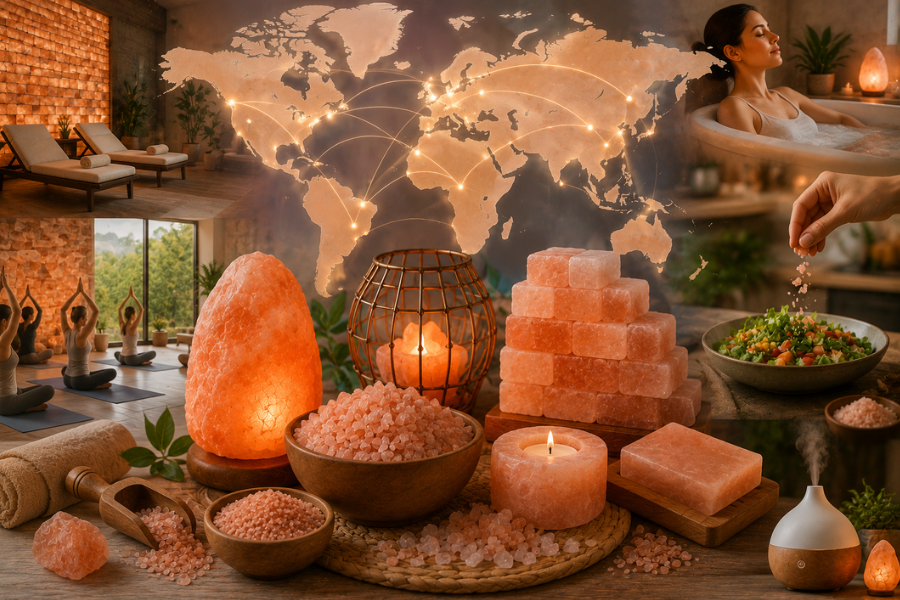
Over the past few years, Himalayan salt has transformed from a traditional natural resource into a globally recognized wellness and lifestyle product. Today, it can be found in modern kitchens, luxury spas, wellness centers, hotels, restaurants, and beautifully designed homes around the world. Many consumers searching online ask questions such as “Why is Himalayan salt so popular?” “How did Himalayan salt become a wellness trend?” and “Why do people use Himalayan salt products in their homes?” These questions reflect a growing interest in natural materials, mindful living, and wellness-focused lifestyles. The journey of Himalayan salt from ancient underground deposits in Pakistan to international markets is a fascinating example of how a natural product can become part of modern culture. Its popularity is not based on a single industry but on its ability to serve multiple purposes, including culinary use, interior decoration, relaxation spaces, and lifestyle design. As people continue seeking authentic and natural products, Himalayan salt has become a symbol of connection with nature, simplicity, and premium living. This article explores how Himalayan salt developed into a worldwide wellness and lifestyle phenomenon.
The Ancient Story Behind Himalayan Salt’s Popularity
The rise of Himalayan salt as a global trend begins with its ancient geological history. Millions of years ago, ancient oceans covered the region that is now home to the famous Himalayan salt deposits in Pakistan. Over time, these waters evaporated, leaving behind large underground formations of mineral-rich rock salt. These deposits remained protected beneath layers of mountains and earth, preserving their natural structure and appearance for centuries. For local communities, salt was historically an important resource used for food preservation, trade, and everyday needs. Traditional mining practices developed around these deposits, creating a connection between people and this natural material over generations. Although Himalayan salt was known in regional markets for centuries, its global recognition expanded much later when consumers began searching for authentic and naturally sourced products. The combination of ancient origin, traditional harvesting methods, and natural beauty helped create a powerful story around Himalayan salt. This historical background became one of the reasons consumers worldwide began viewing it as more than ordinary salt.
The Growing Demand for Natural Products
One of the biggest reasons Himalayan salt became a global wellness trend is the increasing consumer interest in natural and minimally processed products. Modern lifestyles have encouraged many people to rethink the products they use daily, from food ingredients to home decorations and wellness items. Consumers are now more interested in understanding where products come from, how they are produced, and whether they offer a connection to nature. Himalayan salt fits perfectly into this movement because it represents a natural product with a clear geographical origin and traditional processing methods. Unlike highly refined products that appear standardized, Himalayan salt maintains its natural colors, textures, and unique characteristics. This authenticity appeals to people who want products that feel genuine and meaningful. Businesses also recognized this shift and began introducing Himalayan salt into premium product categories. As the demand for natural living continued to grow, Himalayan Salt moved beyond traditional food markets and entered the wellness and lifestyle industries, where it gained even more international attention.
Himalayan Salt’s Transformation from Kitchen Ingredient to Lifestyle Product
Originally, Himalayan salt was primarily recognized as a culinary ingredient, but its role expanded significantly as consumer preferences changed. Chefs, restaurants, and home cooks began appreciating Himalayan salt because of its unique pink color, natural appearance, and premium presentation. It quickly became associated with gourmet cooking and high-quality dining experiences. Restaurants started using Himalayan salt blocks for grilling and serving food, creating memorable experiences for customers. At the same time, food brands introduced different variations, including fine salt, coarse salt, seasoning blends, and specialty products. This increased visibility helped introduce Himalayan salt to a broader audience. However, its journey did not stop in the kitchen. As wellness and lifestyle trends gained popularity, Himalayan salt began appearing in homes, spas, and decorative applications. This transition from a simple ingredient into a lifestyle product played a major role in its global success. Today, Himalayan Salt represents a combination of culinary tradition, wellness culture, and modern design.
The Rise of Himalayan Salt Lamps in Home Wellness
Himalayan salt lamps played one of the most important roles in turning Himalayan salt into a global lifestyle trend. These decorative products introduced millions of people to Himalayan salt through home interiors and wellness-focused spaces. Their popularity grew because they combine natural materials with warm lighting, creating an attractive and relaxing visual element. Many homeowners began placing Himalayan Salt Lamps in bedrooms, living rooms, offices, meditation areas, and relaxation spaces. Interior designers also embraced them because they added texture, warmth, and a natural touch to modern homes. Social media platforms further increased their popularity by showcasing beautiful interiors featuring glowing salt lamps. The visual appeal of these products made them highly shareable and helped introduce Himalayan salt to new audiences around the world. While Himalayan salt lamps became popular as decorative items, they also strengthened the association between Himalayan salt and wellness-focused living. They became a symbol of creating peaceful, comfortable, and nature-inspired environments within modern homes.
Himalayan Salt in Wellness Centers and Spa Design
The wellness industry played a major role in expanding the global popularity of Himalayan salt. Spas, wellness centers, meditation studios, and luxury retreats began incorporating Himalayan salt products into their environments to create unique experiences for visitors. Salt walls, salt rooms, salt panels, and decorative salt features became popular elements in premium wellness spaces. Designers appreciated Himalayan salt because it provides natural beauty and creates a warm, calming atmosphere. Many modern wellness spaces focus on using natural materials such as wood, stone, plants, and salt to create environments connected with nature. Himalayan salt fits naturally into this design philosophy because of its organic appearance and distinctive texture. Luxury businesses also recognized that unique interior features help create memorable experiences for customers. As wellness tourism and self-care trends expanded worldwide, Himalayan salt became increasingly associated with relaxation, luxury, and natural living. This connection helped transform Himalayan salt from a household product into an important element of modern wellness architecture.
The Influence of Social Media on Himalayan Salt Trends
Social media has had a significant impact on the worldwide popularity of Himalayan salt products. Platforms focused on home design, wellness, cooking, and lifestyle content helped introduce these products to millions of users. Beautiful images of Himalayan salt lamps, elegant salt walls, luxury spa interiors, and gourmet dishes created strong visual interest among audiences worldwide. Unlike many traditional products, Himalayan salt has a naturally photogenic appearance, making it especially suitable for digital platforms. Influencers, designers, chefs, and wellness creators shared content featuring Himalayan salt products, increasing awareness among consumers. This online visibility helped transform Himalayan salt into a recognizable lifestyle trend rather than just a niche product. Consumers began discovering new ways to use Himalayan salt in their daily lives, from cooking and decorating to creating wellness spaces. Social media continues playing an important role in maintaining interest and introducing new generations of customers to Himalayan salt products.
Himalayan Salt and Modern Interior Design Trends
Modern interior design has increasingly focused on natural materials, sustainability, and creating comfortable living environments. Himalayan salt has become part of this movement because it offers unique decorative possibilities. Interior designers use Himalayan salt bricks, tiles, panels, and lamps to introduce natural textures and warm tones into residential and commercial spaces. Luxury hotels, restaurants, spas, and private homes use salt features as statement pieces that create visual interest. The natural variations in Himalayan salt make every installation different, giving designers the opportunity to create customized environments. It works well with different design styles, including minimalist, rustic, contemporary, and luxury interiors. The growing preference for biophilic design, which focuses on connecting indoor spaces with nature, has further increased interest in natural materials like Himalayan salt. As people continue investing in meaningful and personalized spaces, Himalayan salt remains a popular choice for designers looking to combine beauty, authenticity, and natural elements.
Why Wellness Consumers Choose Himalayan Salt Products
Wellness consumers are increasingly choosing Himalayan salt products because they represent natural living and mindful lifestyle choices. People today are not only interested in products that serve a practical purpose; they also want items that contribute to the atmosphere and experience of their surroundings. Himalayan salt products provide this emotional connection through their natural appearance and unique story. From salt lamps and bath salts to decorative salt walls and wellness installations, these products allow consumers to incorporate natural elements into their daily routines. Many people appreciate the traditional origins and handcrafted nature associated with Himalayan salt products. The idea of bringing a piece of ancient natural material into modern living spaces has strong emotional appeal. This connection between nature, design, and wellness has helped Himalayan Salt maintain its popularity across different customer groups. Whether purchased for personal use or as part of a luxury lifestyle, Himalayan Salt continues representing a growing desire for authentic and meaningful products.
The Global Business Opportunities Around Himalayan Salt
The international popularity of Himalayan salt has created significant opportunities for manufacturers, exporters, retailers, and private-label businesses. Companies around the world now source Himalayan salt products for different industries, including food, wellness, hospitality, agriculture, and interior design. Exporters offer a wide range of products, including edible salts, salt lamps, animal lick blocks, salt bricks, tiles, and customized solutions. The growing demand for natural products has encouraged businesses to develop innovative Himalayan salt applications. Hotels, restaurants, spas, and retailers continue searching for unique products that help them stand out in competitive markets. This has strengthened the global supply chain and increased awareness of Himalayan salt as a valuable natural resource. As international consumers continue showing interest in wellness and natural lifestyles, businesses have opportunities to introduce new Himalayan salt products and experiences. The industry’s growth demonstrates how a traditional resource can successfully adapt to modern global markets.
The Future of Himalayan Salt as a Lifestyle Trend
The future of Himalayan salt looks promising as wellness, natural living, and sustainable design continue influencing consumer behavior. People are expected to continue seeking products that offer authenticity, natural beauty, and meaningful stories. Himalayan salt fits these trends because it combines ancient origins with modern applications across multiple industries. Innovations in product design, packaging, and customization are likely to create even more opportunities for businesses and consumers. From advanced wellness interiors to creative home decor solutions, Himalayan Salt continues evolving beyond its traditional uses. As more people discover its versatility, the product is likely to remain an important part of global lifestyle markets. The continued focus on wellness and nature-inspired living suggests that Himalayan Salt will remain a recognizable symbol of premium natural products for years to come.
Conclusion
Himalayan salt became a global wellness and lifestyle trend because it successfully combines natural beauty, ancient history, modern design, and changing consumer preferences. What started as a traditional resource from Pakistan’s salt mines has transformed into a worldwide product used in kitchens, spas, homes, hotels, and wellness spaces. Its unique appearance, natural origin, and versatility have helped it gain recognition among consumers who value authentic and meaningful products. From Himalayan salt lamps and wellness rooms to gourmet cooking and luxury interiors, this natural resource continues finding new applications around the world. As people continue embracing wellness-focused lifestyles and natural materials, Himalayan salt is expected to remain a powerful symbol of connection between nature and modern living.