Salt is one of the oldest traded commodities in human history, yet confusion still exists around different salt types available in the global market. Two commonly compared forms are Himalayan pink salt and rock salt. While they may appear similar at first glance due to their crystalline structure, these salts differ significantly in origin, composition, processing, applications, and market positioning. For food manufacturers, livestock suppliers, wellness brands, and international buyers, understanding these differences is essential for making informed sourcing decisions. This article provides a comprehensive comparison of Himalayan pink salt versus rock salt, helping buyers evaluate which option aligns best with their commercial, functional, and regulatory requirements.
Origin and Geological Formation of Himalayan Pink Salt
Himalayan pink salt originates from ancient salt deposits located in the Himalayan foothills, primarily in Pakistan. These deposits were formed over 250 million years ago when prehistoric seas evaporated, leaving behind thick layers of crystallized salt buried deep beneath the earth. Over time, tectonic movements protected these deposits from modern pollution and environmental contamination. The salt is extracted through controlled mining methods, preserving its natural mineral structure. Its distinctive pink color comes from trace minerals such as iron, magnesium, and potassium naturally embedded within the crystals. This ancient geological origin gives Himalayan pink salt a unique authenticity that appeals strongly to premium food, wellness, and animal nutrition markets worldwide.
Origin and Formation of Rock Salt
“Rock salt” is a broad category referring to naturally occurring salt mined from underground deposits found in many regions around the world. Unlike Himalayan pink salt, rock salt does not originate from a single geographic location or geological event. It can be white, gray, reddish, or brown depending on mineral impurities and formation conditions. Rock salt deposits formed through the evaporation of ancient seas but were not always preserved under the same isolated conditions as Himalayan salt. As a result, rock salt quality and purity can vary significantly. Many rock salt sources are used for industrial purposes, food processing, de-icing, and animal feed, depending on refinement level and regulatory compliance.
Mineral Composition and Natural Trace Elements
Himalayan pink salt is often recognized for its trace mineral content, which includes small amounts of iron, calcium, magnesium, and potassium. While sodium chloride remains the primary component, these minerals contribute to the salt’s color and subtle flavor differences. Rock salt also contains minerals, but the type and concentration vary greatly depending on the source. Some rock salts may contain higher levels of impurities or insoluble matter. For food and animal applications, consistent mineral composition is critical. Buyers sourcing Himalayan pink salt benefit from relatively stable mineral profiles, whereas rock salt may require additional testing and refinement to meet specific quality standards.
Processing Methods and Refinement Levels
Himalayan pink salt is typically minimally processed to preserve its natural properties. The process usually involves mining, crushing, washing, drying, and grading without chemical additives or bleaching. This minimal processing appeals to clean-label and natural product markets. Rock salt processing varies widely. Some rock salt is refined for food use, while other forms are used directly for industrial or agricultural purposes. Refinement may involve washing, grinding, and impurity removal. Buyers must carefully assess processing methods to ensure suitability for intended use. Understanding these differences helps businesses align sourcing decisions with regulatory and market expectations, quality standards, and customer preferences effectively.
Color, Appearance, and Visual Appeal
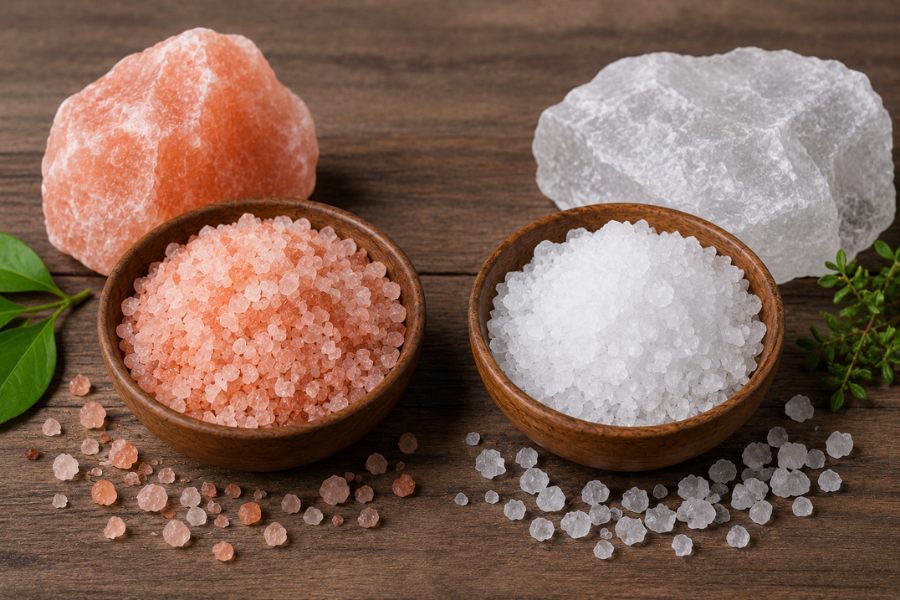
The pink hue of Himalayan salt is one of its most distinguishing features. This coloration enhances visual appeal, making it popular in gourmet food, spa, and decorative applications. Rock salt, on the other hand, ranges from translucent white to gray or brown, depending on mineral impurities. While appearance may not matter for industrial uses, it plays a significant role in consumer-facing products. Buyers targeting premium retail or wellness markets often prefer Himalayan pink salt for its aesthetic value. Visual consistency also supports branding and marketing strategies, particularly in competitive global markets, influencing purchasing decisions and perceived product quality across different regions.
Taste Profile and Culinary Performance
Taste differences between Himalayan pink salt and rock salt are subtle but relevant in culinary applications. Himalayan salt offers a milder, smoother salinity with less sharpness compared to some refined rock salts. Rock salt taste can vary depending on mineral content and processing. For food manufacturers, consistency in flavor is critical, especially in large-scale production. Himalayan salt is often used as a finishing salt or in specialty food products, while refined rock salt may be used for general seasoning or processing. Selecting the right salt depends on flavor expectations, texture, dissolution behavior, and overall recipe balance for optimal culinary results.
Food Safety and Edible Grade Considerations
Not all rock salt is suitable for human consumption. Food-grade certification is essential when using rock salt in edible applications. Himalayan pink salt is commonly processed and certified for food use, meeting international safety standards. Rock salt may require additional refinement and testing to achieve food-grade status. Buyers must ensure compliance with destination country regulations, including laboratory analysis and documentation. Food safety considerations influence buyer confidence and regulatory approval, making certification readiness a key differentiator between Himalayan salt and generic rock salt. Ensuring proper handling, hygienic processing, traceability, and packaging further safeguards quality, prevents contamination, and supports compliance in international food markets.
Use in Animal Nutrition and Livestock Salt Licks
Himalayan pink salt is widely used in animal lick blocks due to its hardness, mineral presence, and durability. Its dense crystalline structure allows it to withstand outdoor conditions and gradual consumption by livestock. Rock salt is also used in animal feed but may vary in hardness and mineral balance. Buyers in agriculture prefer salt that supports animal health while maintaining structural integrity. Himalayan salt licks are often favored for premium livestock nutrition programs, while rock salt may be selected for cost-sensitive applications. Proper placement, monitoring of consumption, and supplementation planning further enhance animal welfare, growth performance, and overall farm productivity.
Industrial and Non-Food Applications
Rock salt dominates industrial applications such as de-icing, water treatment, and chemical manufacturing. Its availability and lower cost make it suitable for large-scale industrial use. Himalayan pink salt is rarely used for industrial purposes due to its premium positioning and limited supply. Buyers must consider application suitability when choosing between these salts. Industrial buyers prioritize volume and cost, while specialty buyers focus on purity, origin, and branding potential. Additionally, rock salt is often selected for its consistent solubility and ease of handling in bulk operations. Himalayan salt may be used in niche industrial applications, such as decorative panels or specialty spa products, where visual appeal adds value beyond functional performance. Proper assessment ensures cost-effective, purpose-driven selection for non-food uses.
Bath, Spa, and Wellness Market Usage
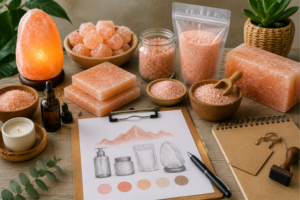
Himalayan pink salt is a preferred choice in bath and wellness markets due to its color, crystal texture, and perceived therapeutic benefits. Rock salt is less commonly used in these applications because it lacks aesthetic appeal and consistent mineral profiles. Spa brands often use Himalayan salt to enhance product differentiation and premium positioning. Buyers targeting wellness consumers benefit from Himalayan salt’s natural and visual characteristics, which align with luxury and holistic branding strategies. Additionally, Himalayan salt is incorporated into scrubs, bath soaks, inhalers, and aromatherapy products, offering tactile and sensory experiences. Its unique appearance supports gift packaging, promotional products, and spa décor, further strengthening consumer perception and brand storytelling in the wellness sector.
Pricing and Market Positioning Differences
Himalayan pink salt typically commands higher prices due to limited geographic availability, mining costs, and premium branding. Rock salt pricing varies widely depending on source, refinement, and application. Bulk buyers evaluate cost against intended use and market positioning. Himalayan salt suits premium segments, while rock salt fits cost-driven industrial and general food markets. Understanding price drivers helps buyers optimize sourcing strategies and maintain competitive margins. Pricing reflects origin authenticity, processing standards, and target market expectations. Additionally, branding, packaging, and certifications further influence price perception, allowing Himalayan salt to capture niche markets and justify higher retail values compared to generic or industrial-grade rock salt.
Environmental and Sustainability Considerations
Sustainability concerns influence salt sourcing decisions. Himalayan salt mining has a localized environmental impact when managed responsibly. Rock salt extraction methods vary globally, with different environmental implications. Buyers increasingly request transparency regarding sourcing practices and environmental responsibility. Certifications and supplier accountability support sustainable trade. Both salts can be sourced responsibly, but documentation and ethical practices play a growing role in buyer selection. Sustainability practices increasingly influence long-term supplier selection decisions. Exporters adopting renewable energy, minimizing waste, reducing transportation emissions, and implementing responsible labor practices strengthen market credibility. Environmentally conscious sourcing also aligns with consumer demand for eco-friendly products, enhancing brand reputation and enabling access to premium, regulated, or niche markets worldwide.
Export Regulations and Certification Requirements
Exporting Himalayan pink salt often involves food grade, halal, ISO, and laboratory certifications. Rock salt export requirements depend on application and destination. Buyers must ensure compliance with import regulations to avoid delays. Certification readiness enhances supplier credibility and reduces trade risk. Understanding regulatory differences supports smoother international transactions. Certifications streamline customs clearance and reduce international trade risks. Additional documentation may include Certificates of Origin, REACH statements for Europe, FDA registration for the U.S., and private-label compliance. Exporters who maintain updated certifications and accurate lab reports can quickly adapt to changing regulations. Proactive management of regulatory requirements minimizes shipment delays, builds long-term buyer trust, and strengthens global market access for both Himalayan and rock salt products.
Shelf Life and Storage Stability
Both Himalayan pink salt and rock salt have an indefinite shelf life when stored correctly. Moisture exposure is the primary concern rather than spoilage. Himalayan salt retains color and texture with proper storage, while rock salt stability depends on refinement level. Buyers managing large inventories benefit from appropriate packaging and storage conditions. Shelf stability supports long-term procurement planning. Proper storage preserves texture, appearance, and overall salt quality. Using airtight, moisture-resistant containers, controlling warehouse humidity, and avoiding direct sunlight or heat sources further prolongs quality. Regular inspections and rotation practices prevent clumping or contamination. Adhering to these storage protocols ensures optimal product performance, consistent quality for end users, and minimal losses over extended storage periods.
Choosing Between Himalayan Pink Salt and Rock Salt
Selecting the right salt depends on application, quality requirements, budget, and market positioning. Himalayan pink salt suits premium food, wellness, and animal nutrition markets, while rock salt serves industrial and cost-sensitive needs. Buyers should evaluate origin, processing, certification, and end-use expectations. Strategic selection ensures consistent supply and customer satisfaction. Strategic selection supports profitability and consistent supply chain management. Additionally, buyers should consider visual appeal, mineral content, shelf stability, and regulatory compliance. Market trends, consumer perception, and sustainability preferences also influence selection. Understanding functional performance and long-term storage behavior helps businesses minimize waste, optimize operational efficiency, and deliver value to end users across diverse industries.
Conclusion
Himalayan pink salt and rock salt differ in origin, composition, processing, and commercial value. While Himalayan salt stands out for its ancient formation, mineral presence, and premium appeal, rock salt offers versatility and affordability across industrial applications. Understanding these differences allows buyers to make informed sourcing decisions aligned with business goals. In global trade, selecting the right salt type enhances product quality, regulatory compliance, and long-term success. Understanding salt differences empowers smarter sourcing and long-term business growth. Moreover, considering factors such as certifications, storage, market positioning, and application-specific requirements ensures consistent supply, strengthens buyer confidence, and supports profitable, sustainable operations in both domestic and international markets.