Salt is one of the most essential ingredients used globally, yet not all salt is created equal. Among the many varieties available, Himalayan pink salt and sea salt are often compared due to their natural origins and perceived health benefits. While both are widely used in food, wellness, and industrial applications, they differ significantly in formation, mineral composition, processing methods, and commercial value. For buyers, manufacturers, and distributors, understanding these differences is critical for sourcing the right salt for the right purpose. This article explores Himalayan pink salt versus sea salt in detail, examining how each is produced, how they perform in different industries, and how buyers can make informed decisions based on quality, application, and market expectations.
Origin and Formation of Himalayan Pink Salt
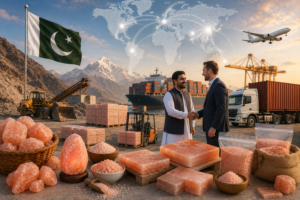
Himalayan pink salt originates from ancient salt deposits located in the Himalayan mountain range, primarily in Pakistan. These deposits were formed over millions of years when prehistoric seas evaporated, leaving behind crystallized salt beds buried beneath layers of rock. Because of this geological isolation, Himalayan salt remained protected from modern pollution and environmental contamination. The pink coloration comes from naturally occurring trace minerals such as iron, magnesium, and calcium embedded within the crystal structure. This natural formation process gives Himalayan salt its distinctive appearance and mineral profile. For buyers, the ancient origin adds value in terms of authenticity, traceability, and marketing appeal, especially in premium food and wellness markets.
Origin and Formation of Sea Salt
Sea salt is produced through the evaporation of seawater, either naturally by sunlight or through controlled industrial processes. It is harvested from oceans and saltwater bodies around the world, making its origin highly dependent on geographic location. Because seawater reflects the surrounding environment, sea salt composition can vary widely depending on water quality, climate, and harvesting techniques. Modern oceans are exposed to pollution, microplastics, and industrial runoff, which may affect sea salt purity. While sea salt retains some natural minerals, its formation is relatively recent compared to Himalayan salt. Buyers often choose sea salt for its accessibility and cost, but quality can vary significantly between sources.
Mineral Composition Differences
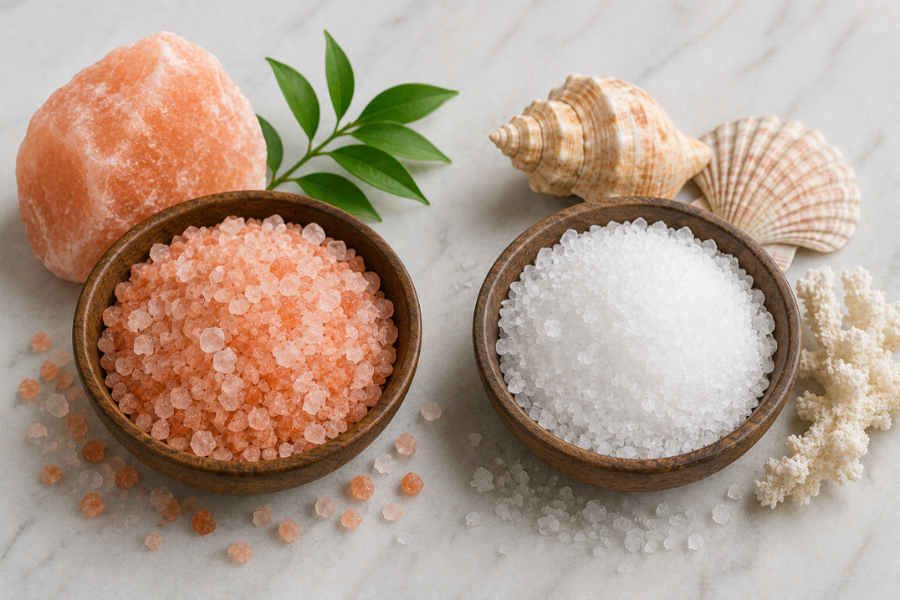
One of the most discussed differences between Himalayan pink salt and sea salt lies in mineral composition. Himalayan salt contains trace amounts of more than 80 minerals, though sodium chloride still makes up the majority. These trace minerals contribute to its pink hue and subtle flavor complexity. Sea salt also contains minerals, but the composition depends on the source water and processing methods. In some cases, minerals may be removed during refinement. For industrial buyers and food manufacturers, mineral consistency is important for formulation stability. Himalayan salt’s geological formation provides more predictable mineral presence, while sea salt composition may fluctuate between batches depending on environmental conditions.
Processing Methods and Purity Levels
Himalayan pink salt is typically minimally processed. It is mined, crushed, washed, and dried without the use of chemical additives or bleaching agents. This preserves its natural structure and mineral content. Sea salt processing varies widely; some varieties are minimally processed, while others undergo washing, refining, and anti-caking treatments. The level of processing impacts purity, appearance, and flow characteristics. Buyers seeking clean-label products often prefer minimally processed Himalayan salt for natural, high-quality applications. In contrast, refined sea salt may be selected for applications requiring uniform grain size and flowability. Understanding processing differences helps buyers match salt type to functional, culinary, and regulatory needs efficiently.
Taste and Culinary Performance Comparison
Taste differences between Himalayan pink salt and sea salt are subtle but noticeable in culinary applications. Himalayan salt offers a mild, rounded salinity with less sharpness, often described as smoother on the palate. Sea salt flavor varies depending on mineral content and origin, sometimes carrying briny or oceanic notes. Chefs and food producers select salt based on flavor profile, texture, and dissolution behavior. Himalayan salt is often used as a finishing salt or in gourmet products, while sea salt is commonly used in cooking and food processing. For large-scale food manufacturers, consistency in taste is often more important than mineral novelty.
Moisture Absorption and Storage Behavior
Both Himalayan salt and sea salt are hygroscopic, meaning they absorb moisture from the air. However, Himalayan salt’s mineral structure can make it slightly more sensitive to humidity if not stored properly. Sea salt moisture behavior varies based on crystal size and processing. Storage conditions such as humidity control, temperature stability, and packaging quality significantly affect both types. Buyers handling bulk quantities must understand these properties to avoid clumping, caking, and quality degradation. Proper storage ensures product usability, shelf stability, and consistent mineral content. For exporters, selecting appropriate moisture-resistant, airtight packaging materials is essential regardless of salt type to maintain quality during storage and transit.
Health Perceptions and Market Demand
Himalayan pink salt is often marketed as a more natural and mineral-rich alternative to regular salt, which has driven strong consumer demand. While trace minerals exist, both salts primarily provide sodium chloride and should be consumed in moderation. Sea salt is also perceived as natural but faces increasing scrutiny due to environmental concerns and sustainability issues. Health-focused markets often prefer Himalayan salt for its clean origin story and perceived purity. Buyers must balance marketing claims with regulatory compliance to avoid misleading information or overstatements. Understanding consumer perception helps brands position products effectively in competitive markets, target niche audiences, and support clean-label or wellness-focused marketing strategies.
Environmental Impact and Sustainability Considerations
Environmental concerns play an increasing role in salt sourcing decisions. Himalayan salt mining involves extraction from ancient deposits, which has a localized environmental footprint when managed responsibly. Sea salt production depends on seawater quality and coastal ecosystems, which may be affected by climate change, overharvesting, and pollution. Sustainability certifications, responsible mining, and eco-friendly production practices influence buyer decisions. Buyers increasingly request transparency regarding environmental impact, carbon footprint, and ethical labor practices. Both salt types can be sourced sustainably, but documentation, traceability, and supplier accountability are critical in modern trade relationships. Companies adopting environmentally responsible practices strengthen brand reputation and appeal to conscious global consumers.
Applications in Food Manufacturing
In food manufacturing, both Himalayan pink salt and sea salt are used depending on product requirements. Himalayan salt is often used in premium or organically positioned products, while sea salt is commonly used in processed foods. Grain size, solubility, and mineral stability influence manufacturing performance. Buyers consider cost, supply consistency, and regulatory acceptance when selecting salt. Himalayan salt may require additional testing for food safety compliance, while sea salt availability varies regionally. Understanding functional performance helps manufacturers optimize formulations. Additionally, salt selection affects flavor profile, color, texture, shelf life, and clean-label claims, allowing food producers to tailor products for specific consumer segments and market positioning.
Use in Animal Nutrition and Salt Licks
Himalayan salt is widely used in animal lick blocks due to its hardness and mineral content. Its structure allows it to be shaped into durable blocks suitable for outdoor use. Sea salt is less commonly used for this purpose because it lacks the same crystalline density. Buyers in livestock industries often prefer Himalayan salt licks for durability and mineral supplementation. Understanding application suitability helps agricultural buyers select the correct salt type for animal health and farm efficiency. Moreover, Himalayan salt supports electrolyte balance, aids hydration, encourages natural licking behavior, and can improve reproduction, growth, and overall livestock productivity, making it a versatile nutritional supplement.
Bath, Spa, and Wellness Applications
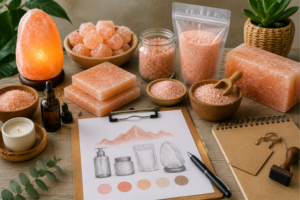
Himalayan pink salt dominates the bath and wellness sector due to its color, crystal structure, and perceived therapeutic benefits. Sea salt is also used in bath products but lacks the visual appeal of Himalayan salt. Spa buyers often prioritize appearance, texture, and branding potential. Himalayan salt’s aesthetic qualities make it suitable for premium wellness products. Buyers targeting the spa and cosmetic market often choose Himalayan salt to align with luxury and natural branding strategies. Additionally, Himalayan salt is valued for its gentle exfoliation, mineral infusion, aromatherapy blends, and decorative presentation, enhancing user experience, relaxation benefits, and overall product differentiation in wellness-focused markets.
Pricing and Cost Considerations
Pricing differences between Himalayan pink salt and sea salt reflect sourcing, processing, and market positioning. Himalayan salt generally commands a higher price due to limited geographic availability and premium branding. Sea salt pricing varies widely depending on origin and refinement. Bulk buyers evaluate cost against perceived value and end-market pricing. Understanding price drivers helps buyers negotiate contracts and plan margins effectively. Both salts can be cost-effective when aligned with appropriate applications. Additionally, factors such as certification requirements, packaging, shipping distances, and seasonal demand influence final costs, making comprehensive cost analysis essential for buyers and exporters seeking profitability and competitive pricing strategies.
Export Regulations and Certifications
Himalayan salt exports often require food-grade, halal, ISO, and laboratory certifications depending on destination markets. Sea salt regulations depend on origin and application. Buyers importing either salt type must understand regulatory requirements to avoid delays. Documentation supports customs clearance and market acceptance. Export-ready suppliers simplify compliance and reduce buyer risk. Certification readiness influences supplier selection in global trade. Additionally, exporters must stay updated on changing regulations, such as REACH compliance for European markets, FDA registration for the U.S., and labeling standards in Asia. Proactive management of certifications ensures smooth cross-border transactions, builds buyer trust, and enhances long-term competitiveness in international salt trade.
Shelf Life and Long-Term Stability
Both Himalayan pink salt and sea salt have an indefinite shelf life when stored properly. Moisture exposure is the main factor affecting usability rather than spoilage. Himalayan salt retains color and structure with correct storage, while sea salt stability depends on processing level. Buyers managing long-term inventories benefit from proper storage protocols. Shelf stability is a key advantage for bulk procurement and global distribution. Additionally, long-term stability allows exporters and distributors to plan logistics efficiently, reduce waste, and maintain consistent product quality across seasons. Proper packaging, humidity control, and rotation practices further protect the salt’s functional, aesthetic, and mineral qualities over extended storage periods.
Choosing the Right Salt for Your Business
Selecting between Himalayan pink salt and sea salt depends on application, market positioning, and buyer priorities. Himalayan salt suits premium food, wellness, and animal nutrition markets, while sea salt works well for general food processing and cost-sensitive applications. Buyers should consider origin transparency, certifications, supply consistency, and consumer expectations. Understanding these factors ensures strategic sourcing decisions that support long-term business goals. Additionally, companies must evaluate processing requirements, grain size preferences, packaging needs, and regulatory compliance for target markets. Brand positioning, customer perception, and pricing strategies also play a crucial role in selection. Thoughtful consideration of these aspects helps businesses optimize product performance, maintain quality standards, and achieve a competitive advantage while meeting evolving market demands effectively.
Conclusion
Himalayan pink salt and sea salt each offer unique benefits shaped by their origin, processing, and application suitability. While Himalayan salt stands out for its ancient formation, mineral presence, and premium appeal, sea salt offers accessibility and versatility. For buyers, the choice depends on intended use, quality requirements, and market positioning. Understanding the differences allows businesses to source responsibly, meet regulatory standards, and deliver value to end customers. In global trade, informed salt selection is a key ingredient for success. Careful consideration of price, certifications, shelf life, storage requirements, and consumer perception further strengthens sourcing strategies. Aligning salt type with brand positioning, functional performance, and market expectations ensures sustainable growth, customer satisfaction, and long-term competitive advantage in international markets.