
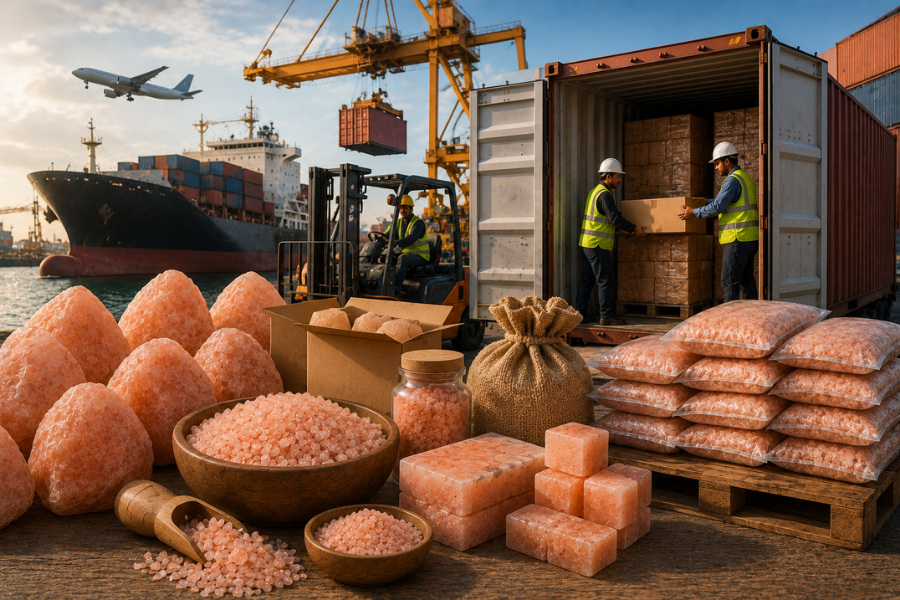
The global demand for Himalayan salt products has grown rapidly as businesses, retailers, restaurants, wellness brands, and distributors look for authentic natural products with strong market appeal. From edible Himalayan pink salt and cooking slabs to salt lamps, bricks, tiles, animal lick blocks, and customized private-label products, Himalayan salt has become a valuable category in international trade. Many entrepreneurs and businesses are now interested in importing Himalayan salt products in bulk but often have questions about the process. Common questions include “How can I import Himalayan salt directly from Pakistan?”, “What should I look for in a Himalayan salt supplier?”, and “How do bulk Himalayan salt imports work?” Understanding the complete import process helps businesses make better purchasing decisions and build reliable supply chains. Bulk importing Himalayan salt requires careful planning, including choosing the right supplier, selecting suitable products, understanding quality standards, arranging shipping, and managing documentation. This guide explains the important steps involved in importing Himalayan salt products successfully while helping buyers understand how to create long-term partnerships with trusted suppliers.
Understanding the Global Himalayan Salt Supply Market
Before importing Himalayan salt products in bulk, it is important to understand how the global supply market works. Himalayan Salt is mainly sourced from Pakistan, where large natural salt deposits provide raw material for different industries. Manufacturers in Pakistan process this salt into various products designed for international markets, including food-grade salt, decorative items, wellness products, and agricultural products. Importers from different countries purchase these products for supermarkets, online stores, restaurants, hotels, spas, and specialty retailers. The demand for Himalayan Salt continues increasing because consumers are attracted to natural products with unique origins and premium positioning. For businesses, importing Himalayan salt can create opportunities to enter growing markets with products that already have global recognition. However, successful importing requires knowledge of product categories, customer preferences, and supplier capabilities. Understanding the market before placing bulk orders allows businesses to choose products that match their target customers and avoid unnecessary purchasing risks.
Choosing the Right Himalayan Salt Supplier
Selecting a reliable supplier is one of the most important steps when importing Himalayan salt products in bulk. A good supplier should have experience in international exports, strong production capabilities, and the ability to provide consistent quality. Buyers should look for manufacturers who can supply authentic Himalayan salt products directly from Pakistan and provide clear information about sourcing, processing, packaging, and export procedures. Communication is also an important factor because successful international trade depends on building strong relationships between buyers and suppliers. Businesses should discuss product specifications, quantities, packaging requirements, labeling needs, and delivery expectations before confirming orders. A professional supplier should also be able to provide product samples before large-scale purchasing decisions. Working with an experienced manufacturer helps importers reduce risks and ensures that products meet customer expectations. Choosing the right supplier creates the foundation for a successful Himalayan salt import business and supports long-term growth in international markets.
Selecting the Right Himalayan Salt Products for Import
Himalayan salt is available in many product categories, and choosing the right products depends on the target market and business goals. Importers should analyze customer demand before deciding which products to purchase in bulk. Edible Himalayan Pink Salt is one of the most popular options because it is used by households, restaurants, food brands, and retailers worldwide. Himalayan Salt Lamps are another high-demand category because of their popularity in home decoration and wellness markets. Other opportunities include salt bricks, slabs, tiles, bath salts, animal lick blocks, and customized private-label products. Businesses should consider factors such as market trends, customer preferences, storage requirements, and shipping costs when selecting products. Some importers choose multiple product categories to create a diverse product range, while others focus on a specific niche. Understanding the purpose and demand of each product helps businesses make profitable purchasing decisions and develop stronger market strategies.
Understanding Bulk Order Requirements
Bulk importing Himalayan salt products requires careful planning regarding order quantities, product specifications, and packaging requirements. Suppliers usually work with international buyers based on minimum order quantities, which may vary depending on product type and customization needs. Before placing an order, importers should clearly define the required quantity, product size, weight, color variation, packaging style, and labeling requirements. For example, an importer purchasing edible Himalayan salt may require retail-ready packaging with customized branding, while a construction business importing salt bricks may need bulk cartons or pallets. Clear communication about specifications helps avoid misunderstandings and ensures that the final shipment matches expectations. Businesses should also consider future demand when placing bulk orders because maintaining consistent inventory is important for customer satisfaction. Proper planning allows importers to balance purchasing costs, storage capacity, and market demand while creating a more efficient supply chain.
Quality Inspection Before Importing Himalayan Salt
Quality control is an essential part of the Himalayan salt import process. Before shipping bulk orders, buyers should verify that products meet their required standards and specifications. Quality checks may include reviewing salt purity, color consistency, product size, packaging quality, and overall appearance. For edible Himalayan salt, buyers may require food-grade standards and proper labeling according to their local regulations. For decorative products such as lamps, bricks, and slabs, inspection may focus on craftsmanship, finishing, and durability. Many experienced importers request samples before confirming large orders to ensure the supplier can deliver the expected quality. Some businesses also arrange third-party inspections before shipment to verify product conditions. Maintaining quality standards helps protect the importer’s reputation and builds customer trust. Since Himalayan salt products are often marketed as premium natural items, consistent quality plays an important role in achieving success in competitive markets.
Understanding Packaging and Labeling Requirements
Packaging plays an important role in international Himalayan salt imports because it protects products during transportation and supports successful sales in local markets. Different products require different packaging solutions depending on their purpose. Edible Himalayan salt may require food-safe packaging with ingredient information, weight details, and branding elements. Himalayan salt lamps and decorative products require protective packaging to prevent damage during shipping. Bulk industrial products such as salt bricks and slabs need strong packaging methods suitable for heavy transportation. Importers should discuss packaging requirements with suppliers before production begins. Customized private-label packaging is also a popular option for businesses that want to build their own Himalayan salt brands. Proper labeling is equally important because imported products must follow the regulations of the destination country. Working closely with suppliers on packaging and labeling helps ensure smooth customs clearance and professional product presentation.
Managing Shipping and Logistics for Bulk Imports
International shipping is a major part of the Himalayan salt import process, and businesses must carefully plan logistics before placing large orders. Himalayan salt products can be shipped through sea freight, air freight, or other transportation methods depending on order size, budget, and delivery requirements. Most bulk shipments are transported through sea freight because it is more economical for large quantities. Importers should work with experienced logistics partners who understand international cargo procedures and documentation requirements. Important factors include selecting suitable shipping containers, calculating freight costs, arranging insurance, and tracking shipment progress. Because some Himalayan salt products are heavy, transportation planning is especially important for managing costs. Businesses should also consider customs procedures and import regulations in their destination country. Efficient logistics management helps reduce delays, control expenses, and ensure products arrive safely.
Import Documentation and Customs Requirements
Successful Himalayan salt imports require proper documentation and compliance with international trade regulations. Importers typically need documents such as commercial invoices, packing lists, shipping documents, certificates of origin, and other required certifications depending on product type and destination country. Food-related Himalayan salt products may require additional documentation to meet local food safety regulations. Businesses should research their country’s import requirements before placing orders to avoid customs delays. Working with experienced suppliers and customs agents can make the process easier because they understand international shipping procedures. Proper documentation also helps create transparency between buyers, suppliers, and government authorities. Businesses that prepare documentation carefully can reduce risks and ensure smoother import operations. Understanding customs requirements is an important step for anyone planning to build a successful Himalayan salt import business.
Private Label Himalayan Salt Import Opportunities
Private labeling offers one of the biggest opportunities for businesses importing Himalayan salt products in bulk. Many companies prefer creating their own branded products rather than selling generic items. Pakistani Himalayan salt manufacturers often provide private-label services, including customized packaging, branding, product sizes, and product variations. This allows retailers, online sellers, and wellness brands to develop unique product lines for their customers. Private-label Himalayan Salt products are popular in markets such as food retail, home decoration, wellness, and gifting industries. Businesses can choose from a wide range of products, including edible salt, lamps, bath salts, and decorative items. Building a private-label brand requires attention to quality, packaging design, and customer positioning. However, it can provide stronger brand recognition and higher market value compared to selling standard products. As consumer interest in natural products continues to grow, private-label Himalayan salt businesses have significant growth potential.
Common Mistakes to Avoid When Importing Himalayan Salt
Many new importers face challenges because they do not properly research suppliers, product requirements, or shipping procedures. One common mistake is choosing suppliers based only on price without considering quality and reliability. Low-cost products may create problems if they do not meet customer expectations or required standards. Another mistake is placing large orders without reviewing product samples first. Importers should always verify quality before committing to bulk purchases. Poor packaging decisions can also lead to damaged products during transportation, especially for fragile items like salt lamps and decorative pieces. Businesses should also avoid ignoring import regulations because customs issues can create expensive delays. Proper planning, supplier verification, and clear communication help prevent these problems. By understanding common challenges, new importers can create more successful and profitable Himalayan salt import operations.
Future Opportunities in Himalayan Salt Import Business
The future of Himalayan salt imports looks promising as global demand continues expanding across multiple industries. Consumers are increasingly interested in natural ingredients, wellness products, and sustainable lifestyle solutions, creating new opportunities for businesses worldwide. Importers can explore growing markets in food retail, online commerce, hospitality, interior design, and the wellness industry. Product innovation and customization will continue creating new possibilities for businesses that want to differentiate themselves. Companies that develop strong supplier relationships and understand customer needs will have better opportunities for long-term success. As international trade becomes more accessible through digital platforms, more entrepreneurs are expected to enter the Himalayan salt market. With proper planning and reliable partnerships, importing Himalayan salt products can become a valuable business opportunity in the global natural products industry.
Conclusion
Importing Himalayan salt products in bulk requires careful planning, reliable suppliers, quality control, and efficient logistics management. From selecting the right products to managing shipping and documentation, every step plays an important role in building a successful import business. Pakistan’s strong position as a Himalayan Salt supplier provides international buyers with access to a wide range of authentic natural products, including edible salts, decorative items, wellness products, and customized solutions. Businesses that focus on quality, customer needs, and strong supplier relationships can take advantage of the growing global demand for Himalayan Salt. Whether you are a retailer, distributor, restaurant owner, or private-label brand, understanding the import process helps create better opportunities in this expanding market. With the right approach, Himalayan salt imports can become a profitable and sustainable business venture.