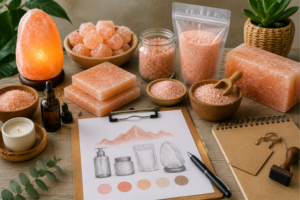
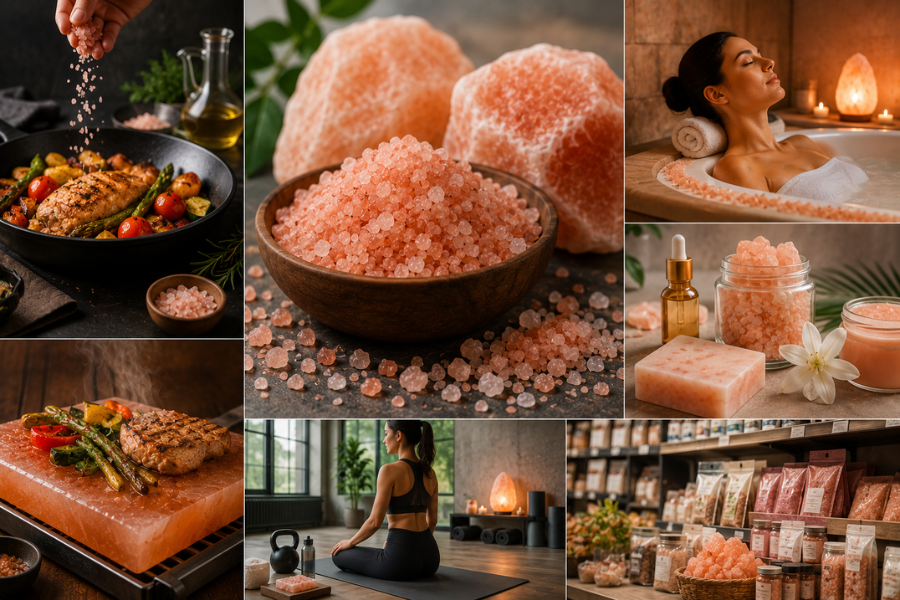
Himalayan salt has evolved from a traditional natural resource into a globally recognized product influencing multiple industries, including food, wellness, healthcare-inspired lifestyles, hospitality, and interior design. In today’s market, consumers are increasingly searching for products that offer authenticity, natural origins, and meaningful stories. This shift has helped Himalayan salt become much more than a simple seasoning ingredient. People frequently ask questions such as “Why is Himalayan salt popular worldwide?” “How is Himalayan salt used in modern industries?” and “Why do businesses choose Himalayan salt products?” These questions highlight the growing importance of this natural resource in modern consumer markets. Extracted from ancient salt deposits in Pakistan, Himalayan salt is valued for its distinctive pink color, natural crystal structure, and versatility across different applications. From gourmet restaurants using it for premium culinary experiences to wellness brands incorporating it into relaxation products, Himalayan Salt has successfully entered several industries. Its journey reflects a larger global movement toward natural products, sustainable choices, and lifestyle solutions that connect people with authentic materials.
The Growing Importance of Natural Products in Modern Markets
The increasing popularity of Himalayan salt is closely connected to a worldwide movement toward natural and minimally processed products. Modern consumers are becoming more conscious about the origins of the products they purchase and are looking for items that offer transparency, authenticity, and quality. This change in consumer behavior has created opportunities for natural resources like Himalayan salt to become important products in global markets. Unlike heavily processed alternatives, Himalayan salt maintains its natural appearance and traditional identity, which appeals to customers seeking a closer connection with nature. Businesses across different industries have recognized this trend and started introducing Himalayan salt products to meet changing customer expectations. Food companies, wellness brands, restaurants, and interior designers now use Himalayan salt because it represents natural beauty and premium quality. The demand for authentic products continues growing as people focus more on healthier lifestyles, personalized experiences, and environmentally conscious choices. This global shift has played a major role in expanding Himalayan salt from a regional product into an internationally valued resource.
Himalayan Salt’s Role in the Modern Food Industry
The food industry is one of the most important sectors where Himalayan salt has gained worldwide recognition. Chefs, restaurants, food manufacturers, and home cooks increasingly use Himalayan salt because of its unique appearance, texture, and premium presentation. Unlike ordinary white salt, Himalayan salt adds a distinctive visual element to dishes because of its natural pink and orange tones. Many gourmet restaurants use it to enhance the dining experience and create a sense of exclusivity. Himalayan salt is available in various forms, including fine salt, coarse salt, seasoning products, and cooking blocks, allowing businesses to serve different customer preferences. The popularity of natural ingredients has also encouraged food brands to include Himalayan salt in specialty product lines. Consumers often associate Himalayan salt with traditional sourcing and premium culinary experiences, making it attractive in competitive food markets. As restaurants and food companies continue focusing on quality ingredients and unique presentations, Himalayan salt remains an important product that connects traditional natural resources with modern culinary trends.
Himalayan Salt in Gourmet Cooking and Restaurant Experiences
Restaurants around the world have played an important role in increasing the popularity of Himalayan salt. In modern dining culture, customers are not only interested in taste but also in unique experiences and visually appealing presentations. Himalayan salt helps restaurants create memorable moments through specialty dishes, decorative serving methods, and unique cooking techniques. One popular example is the use of Himalayan salt cooking blocks, which allow chefs to prepare and serve food in an innovative way. These salt blocks are valued because they provide an attractive presentation and create a premium dining experience for customers. Fine dining establishments often use Himalayan salt to communicate quality and attention to detail. Beyond restaurants, cooking enthusiasts have also adopted Himalayan salt products for home kitchens because they enjoy experimenting with natural ingredients. This growing interest has helped Himalayan salt move from a specialty product into mainstream culinary markets. Its ability to combine traditional origin with modern food experiences has strengthened its position within the global food industry.
The Role of Himalayan Salt in Wellness and Self-Care Industries
The wellness industry has significantly contributed to the international success of Himalayan salt products. As people around the world focus more on relaxation, self-care, and creating peaceful environments, Himalayan salt has become a popular material in wellness-focused products and spaces. Wellness brands use Himalayan salt in items such as bath salts, spa treatments, decorative salt features, and relaxation environments. Many luxury spas and wellness centers incorporate Himalayan salt walls, salt rooms, and illuminated salt installations to create visually appealing spaces. The natural appearance of Himalayan salt supports the growing demand for environments that feel connected to nature. Consumers today often look for wellness experiences that go beyond traditional services, and Himalayan Salt helps businesses create unique atmospheres. Its warm colors, natural textures, and ancient origins make it an attractive choice for wellness design. As the global wellness industry continues expanding, Himalayan salt remains an important element in creating premium experiences focused on comfort, relaxation, and natural living.
Himalayan Salt Rooms and Modern Wellness Architecture
One of the most visible examples of Himalayan salt’s role in the wellness industry is the development of salt rooms and salt therapy-inspired spaces. These environments use Himalayan salt bricks, tiles, and panels to create unique interiors that resemble natural salt caves. Hotels, spas, wellness centers, and luxury residences increasingly incorporate these designs because they provide a distinctive visual experience. Interior designers appreciate Himalayan salt installations because they combine natural materials with modern architectural concepts. Backlit salt walls create warm, glowing effects that transform ordinary spaces into premium wellness environments. These designs are especially popular in luxury projects where businesses want to offer customers something memorable and different. While wellness spaces vary in purpose and design, Himalayan salt has become an important material for creating relaxing and nature-inspired interiors. The increasing popularity of salt rooms demonstrates how a traditional natural resource has adapted successfully to modern wellness architecture and lifestyle preferences.
Himalayan Salt in Home Lifestyle and Interior Design
Beyond food and wellness, Himalayan salt has become a major element in modern home lifestyle trends. Homeowners and interior designers increasingly use Himalayan salt products to add natural beauty and warmth to living spaces. Himalayan salt lamps are among the most recognized examples, offering decorative appeal through their unique crystal structures and soft illumination. Other products, such as salt bricks, tiles, panels, and sculptures, are also used in luxury homes and customized interiors. The popularity of natural home decor has encouraged people to choose materials that feel authentic and visually distinctive. Himalayan salt fits perfectly into this trend because every piece has unique patterns, textures, and colors created by nature. Designers often combine Himalayan salt with wood, stone, plants, and neutral colors to create balanced interiors. This growing use of Himalayan salt in residential spaces shows how lifestyle trends are moving toward natural materials that provide both aesthetic value and emotional connection.
Himalayan Salt and the Hospitality Industry
Hotels and hospitality businesses are constantly searching for ways to improve customer experiences and create memorable environments. Himalayan salt has become increasingly popular within this industry because it provides unique design opportunities. Luxury hotels, resorts, and restaurants use Himalayan salt products in wellness areas, dining spaces, relaxation rooms, and decorative installations. A Himalayan salt wall or illuminated salt feature can become a signature design element that distinguishes a property from competitors. Hospitality businesses understand that modern customers value experiences as much as services, and unique environments play an important role in customer satisfaction. Himalayan salt helps create premium atmospheres by introducing natural textures and warm visual effects. As wellness tourism and luxury travel continue growing, hotels are investing more in natural materials and wellness-inspired designs. This has created new opportunities for Himalayan salt manufacturers and exporters supplying products for large-scale hospitality projects worldwide.
Himalayan Salt in Global Export and Manufacturing Markets
The international demand for Himalayan salt has created significant opportunities for manufacturers and exporters. Today, Himalayan salt products are shipped worldwide for use in food, wellness, agriculture, hospitality, and lifestyle industries. Exporters supply a wide range of products, including edible salt, salt lamps, animal lick blocks, bricks, tiles, slabs, and customized private-label solutions. Businesses across different countries source Himalayan salt because of its strong market recognition and premium positioning. The growth of e-commerce and international trade has made it easier for buyers to connect with suppliers and access authentic Himalayan salt products. Manufacturers are also developing new product variations to meet changing market demands. This expansion has helped strengthen the global reputation of Himalayan salt and increased awareness of Pakistan’s natural resources. As demand for natural products continues rising, Himalayan salt remains an important export product with strong potential across multiple industries.
Why Consumers Prefer Himalayan Salt Products
Consumers choose Himalayan salt products for several reasons, including authenticity, appearance, versatility, and connection to natural origins. In a market filled with mass-produced items, people increasingly appreciate products that have a unique story and traditional background. Himalayan salt offers this value because it comes from ancient deposits and maintains a natural identity. Whether consumers purchase it for cooking, wellness, or home decoration, they often appreciate the combination of functionality and beauty. The distinctive pink color and crystal structure create a premium appearance that separates Himalayan salt from ordinary alternatives. Additionally, the wide variety of available products allows consumers to incorporate Himalayan salt into different parts of their lifestyle. From kitchens and dining experiences to relaxing home environments, Himalayan Salt provides multiple ways to enjoy natural materials. This versatility has helped it maintain strong consumer interest across international markets.
The Future of Himalayan Salt in Modern Industries
The future of Himalayan salt looks promising as industries continue focusing on natural materials, wellness experiences, and premium products. Food companies are expected to continue developing innovative culinary products, while wellness brands will explore new applications in relaxation and lifestyle markets. Interior designers and architects are also likely to expand the use of Himalayan salt in residential and commercial projects. As consumers continue prioritizing authenticity and natural living, products with strong origins and unique characteristics will remain valuable. Himalayan salt represents a successful example of how an ancient natural resource can adapt to modern industry demands. Its combination of history, beauty, and versatility ensures that it will continue playing an important role across multiple sectors worldwide.
Conclusion
Himalayan salt has become an influential product across modern food, health, and lifestyle industries because of its natural origin, unique appearance, and wide range of applications. From gourmet kitchens and luxury restaurants to wellness centers, hotels, and modern homes, Himalayan Salt continues finding new opportunities in global markets. Its success reflects changing consumer preferences toward authentic, natural, and meaningful products. Businesses appreciate its versatility, while consumers value its beauty and connection to nature. As industries continue evolving and wellness-focused lifestyles become more popular, Himalayan salt will remain a valuable resource with strong global demand. The journey of Himalayan salt demonstrates how a traditional natural material can successfully become a modern symbol of quality, wellness, and premium living.