Himalayan salt blocks have become increasingly popular in modern restaurants, luxury hotels, gourmet kitchens, and hospitality businesses because they combine cooking functionality with premium food presentation. As dining trends continue evolving toward visually unique and experience-focused service, chefs and restaurant owners are searching for innovative ways to enhance both flavor and presentation without relying entirely on traditional cookware or serving equipment. Questions such as “How do restaurants use Himalayan salt blocks?” “Can salt blocks be used for cooking?” “Why are chefs using Himalayan salt slabs?” is now frequently searched online and through AI-powered search platforms. These natural cooking and serving surfaces are valued not only for their distinctive pink crystal appearance but also for their versatility in grilling, chilling, plating, and gourmet presentation. Himalayan salt blocks are commonly used in upscale restaurants, seafood bars, steakhouses, wellness cafés, and luxury hospitality dining spaces where natural materials and elevated presentation styles are highly valued. Understanding the top uses of Himalayan salt blocks helps restaurants create memorable dining experiences while improving visual appeal, culinary creativity, and premium brand positioning.
What Are Himalayan Salt Blocks?
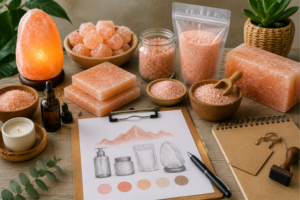
Himalayan salt blocks, also known as Himalayan salt slabs or cooking plates, are thick rectangular pieces of natural rock salt mined from ancient salt deposits in Pakistan. These blocks are machine-cut and surface-smoothed to create durable cooking and serving surfaces suitable for professional culinary use. Restaurants commonly use them for grilling, searing, chilling, and food presentation because they naturally retain temperature for extended periods. Salt blocks can be heated slowly for cooking meats, seafood, and vegetables or chilled for serving sushi, desserts, fruit, and cold appetizers. Their natural pink-orange color and crystalline texture also make them visually attractive for premium dining presentation. Each salt block contains unique mineral patterns and natural color variations, giving every piece an individual handcrafted appearance. Because authentic Himalayan salt blocks are sourced from solid rock salt formations, they provide durability and structural consistency that are essential for repeated commercial use in restaurant kitchens and hospitality environments.
Why Restaurants Use Himalayan Salt Blocks for Food Presentation
One of the most common reasons restaurants use Himalayan salt blocks is to improve food presentation and create visually memorable dining experiences. Modern restaurant design increasingly focuses on aesthetics because customers often associate visual presentation with overall food quality and premium service standards. Himalayan salt blocks add a natural and elegant appearance to plated dishes while creating a unique dining atmosphere that stands out from traditional serving plates or trays. Many chefs use salt blocks to present steaks, seafood, sushi, desserts, and gourmet appetizers because the natural pink crystal texture enhances the visual contrast of colorful ingredients. Luxury restaurants and boutique hospitality venues especially value salt blocks because they support upscale branding and social media-friendly food presentation. Guests are more likely to photograph and share visually distinctive dishes online, which helps restaurants improve digital visibility and customer engagement. The combination of natural material, warm tones, and premium presentation makes Himalayan salt blocks highly attractive for modern culinary environments.
Cooking Meat on Himalayan Salt Blocks
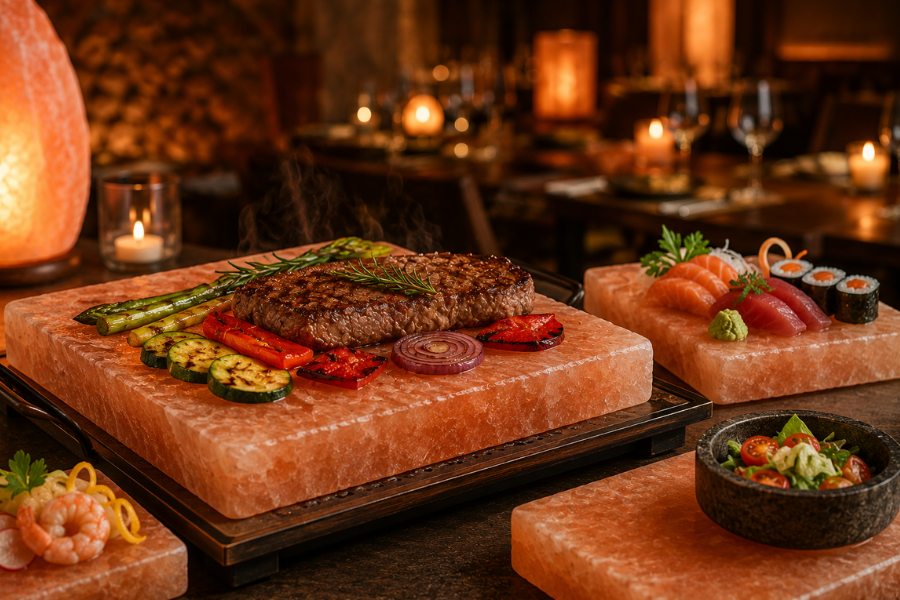
Cooking meat on Himalayan salt blocks has become increasingly popular in restaurants because it provides a distinctive grilling experience while naturally enhancing flavor. Chefs commonly heat salt blocks slowly before placing steaks, lamb, chicken, or seafood directly onto the surface for cooking. The heated block evenly distributes temperature while lightly seasoning the food with natural salt during the cooking process. Many restaurants use this technique because it creates an interactive culinary experience that customers find visually appealing and unique compared to conventional cooking methods. Himalayan salt blocks are especially popular in steakhouses and premium grill restaurants where presentation and flavor refinement are major priorities. Because the blocks retain heat effectively, they also help maintain serving temperature after plating. Professional chefs often appreciate the versatility of salt blocks because they can function as both cooking surfaces and serving platters within the same dining experience. This combination of practicality and aesthetics makes them valuable tools in modern commercial kitchens.
Serving Chilled Foods on Salt Blocks
In addition to heated cooking applications, Himalayan salt blocks are frequently used in restaurants for chilled food presentation. When cooled before service, the blocks maintain cold temperatures for extended periods, making them ideal for sushi, sashimi, oysters, fresh fruit, desserts, cheese platters, and cold appetizers. Many seafood restaurants and gourmet dining spaces use chilled salt blocks because they create a visually elegant presentation while helping preserve serving temperature naturally during the dining experience. The natural crystal texture and soft pink color also enhance the visual appearance of fresh ingredients, making dishes look more refined and premium. Restaurants focused on modern plating trends often use chilled salt slabs because they support minimalist presentation styles that emphasize freshness and natural materials. This versatility allows chefs to integrate Himalayan salt blocks into multiple menu categories without requiring additional specialty serving equipment. Their ability to function in both hot and cold applications contributes significantly to their growing popularity in commercial hospitality environments.
Himalayan Salt Blocks in Fine Dining Restaurants
Fine dining restaurants increasingly use Himalayan salt blocks because they align with modern culinary trends focused on elevated presentation, premium ingredients, and interactive dining experiences. Guests visiting luxury restaurants often expect unique serving methods and visually sophisticated dishes that feel memorable and exclusive. Himalayan salt blocks help chefs achieve this by transforming ordinary food presentation into a more artistic and refined experience. Many fine dining establishments use salt blocks as centerpiece serving platforms for tasting menus, gourmet seafood presentations, and chef-curated culinary experiences. The natural variation within each block also contributes to the handcrafted atmosphere that many luxury restaurants aim to create. Because authentic Himalayan salt blocks are associated with premium natural materials and artisan-style presentation, they strengthen the overall perception of quality and sophistication within upscale dining environments. Restaurants that successfully incorporate visually distinctive serving elements often improve customer engagement, repeat visits, and social media visibility in competitive hospitality markets.
Why Sushi Restaurants Use Himalayan Salt Blocks
Sushi restaurants and seafood-focused dining venues often use Himalayan salt blocks because they provide an elegant surface for presenting fresh seafood and chilled dishes. The natural color of the salt block complements the appearance of sushi, sashimi, oysters, shrimp, and other seafood items while helping maintain cool serving temperatures. Many chefs appreciate the subtle natural seasoning effect that occurs when seafood is placed directly on the salt surface. This approach allows restaurants to create minimalist presentations that feel clean, modern, and visually premium. In upscale sushi restaurants, presentation quality is often considered just as important as ingredient freshness, making Himalayan salt blocks highly valuable decorative serving tools. The unique crystal texture of the blocks also creates strong visual contrast in food photography, which supports restaurant branding and online marketing efforts. As modern sushi presentation continues evolving toward artistic plating styles, Himalayan salt blocks remain highly relevant in luxury seafood and Japanese-inspired hospitality concepts.
Himalayan Salt Blocks for Open Kitchen Experiences
Open kitchen restaurant concepts have become increasingly popular because they allow guests to observe culinary preparation and engage more directly with the dining experience. Himalayan salt blocks work exceptionally well in these environments because they add visual interest and interactive presentation to live cooking stations. Chefs often use heated salt blocks in front of customers for grilling seafood, vegetables, and small cuts of meat, creating a theatrical and engaging atmosphere. The warm glow and natural appearance of the salt block enhance the overall visual appeal of the kitchen while reinforcing themes of craftsmanship and natural cooking methods. Restaurants focused on experiential dining often incorporate salt blocks into chef tables, tasting counters, and demonstration-style service because they help differentiate the restaurant from competitors. Interactive culinary presentation has become an important marketing tool in modern hospitality, and Himalayan salt blocks support this trend by combining cooking functionality with visually memorable guest interaction.
Why Authentic Himalayan Salt Blocks Matter in Restaurants
Authenticity is extremely important when sourcing Himalayan salt blocks for restaurant use because product quality directly affects durability, appearance, and overall customer experience. Genuine Himalayan salt blocks sourced from Pakistan generally provide better structural consistency, richer natural color variation, and improved heat retention compared to imitation or low-grade alternatives. Some decorative products marketed as salt blocks are made from lower-quality materials or artificially colored mineral surfaces that may not perform reliably in commercial kitchens. Professional restaurants usually prefer authentic export-quality blocks because they maintain visual appeal longer and handle repeated heating and cooling more effectively. Reliable manufacturers also provide machine-cut blocks with consistent dimensions, smooth finishing, and moisture-controlled packaging suitable for international shipping. Restaurants investing in authentic Himalayan salt products strengthen both culinary presentation and long-term operational reliability while maintaining higher-quality dining standards for guests and customers.
How Himalayan Salt Blocks Support Restaurant Branding
Modern restaurants increasingly focus on branding through presentation, atmosphere, and customer experience rather than relying solely on food quality alone. Himalayan salt blocks help support restaurant branding because they visually communicate luxury, creativity, and premium culinary craftsmanship. Guests are naturally drawn to unique serving methods that feel different from ordinary dining experiences, and salt blocks contribute strongly to that perception. Many hospitality businesses intentionally use Himalayan salt blocks in social media marketing, promotional photography, and online restaurant branding because the visual appearance of the blocks photographs exceptionally well. Diners frequently share images of dishes served on salt slabs across social platforms, which increases organic digital exposure for restaurants. In highly competitive food and hospitality markets, visually distinctive presentation can significantly influence customer perception and long-term brand recognition. Restaurants that combine creative culinary techniques with natural presentation materials often create stronger emotional engagement and more memorable guest experiences.
What Restaurants Should Consider Before Using Salt Blocks
Before introducing Himalayan salt blocks into restaurant operations, chefs and hospitality businesses should consider product quality, handling procedures, and maintenance requirements. Salt blocks should be heated and cooled gradually to reduce the risk of cracking caused by sudden temperature changes. Restaurants should also use stable serving surfaces and avoid excessive moisture exposure during storage. Because Himalayan salt is naturally hygroscopic, proper dry storage conditions help preserve long-term durability and appearance. Businesses sourcing salt blocks should work with reliable manufacturers capable of providing export-quality slabs with consistent thickness and professional packaging standards. Staff training is also important because proper heating, cleaning, and handling procedures significantly improve the lifespan of commercial salt blocks. Restaurants investing in authentic Himalayan salt products often achieve better operational performance, safer kitchen practices, and more consistent customer experiences over time.
Conclusion
Himalayan salt blocks have become an important part of modern restaurant presentation, gourmet cooking, and hospitality branding because they combine functionality with visually premium dining experiences. From grilling steaks and seafood to serving sushi, desserts, and gourmet appetizers, these natural salt slabs offer restaurants versatile culinary applications that align with modern presentation trends and luxury hospitality standards. Their natural crystal appearance, temperature retention, and handcrafted aesthetic make them highly desirable in fine dining restaurants, seafood venues, open kitchens, and wellness-focused hospitality spaces. As restaurants continue focusing on experiential dining and social media-friendly presentation, authentic Himalayan salt blocks remain valuable tools for improving visual identity, guest engagement, and premium culinary branding. Businesses that invest in authentic export-quality Himalayan salt products sourced from Pakistan are better positioned to create memorable dining experiences while maintaining long-term operational quality and strong customer satisfaction.