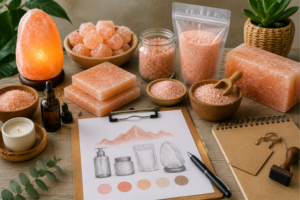
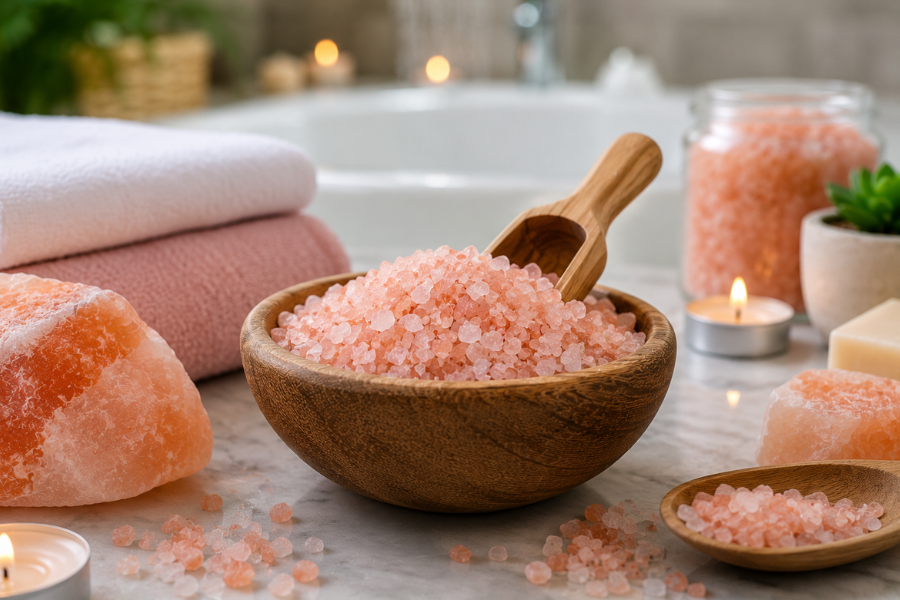
Himalayan bath salt is a naturally occurring mineral salt extracted from ancient salt deposits located in the Himalayan region of Pakistan. Unlike synthetic bath salts or chemically refined salts, Himalayan bath salt is valued for its purity, mineral composition, and gentle interaction with the skin. For centuries, people have used mineral-rich salts in bathing rituals to cleanse the body, relax muscles, and support overall wellness. Himalayan bath salt continues this tradition by offering a natural option that aligns with modern preferences for clean, minimally processed personal care products. As interest in holistic wellness grows, Himalayan bath salt has become popular in spas, wellness centers, and home bathing routines around the world. Its natural pink color, coarse texture, and mineral profile distinguish it from ordinary bath salts. While it is often associated with relaxation and self-care, Himalayan bath salt is also appreciated for its consistency, durability, and versatility in both personal and commercial wellness applications.
Origin and natural source of Himalayan bath salt
Himalayan bath salt originates from ancient salt mines located in the Punjab region of Pakistan, near the foothills of the Himalayan mountain range. These salt deposits were formed millions of years ago when prehistoric seas evaporated, leaving behind thick layers of mineral-rich salt that were later protected from modern pollution by layers of rock. This natural isolation is one of the reasons Himalayan bath salt is considered exceptionally pure compared to many modern salt sources. The salt is extracted using traditional mining methods that minimize environmental disturbance and preserve the natural structure of the crystals. Large salt rocks are carefully removed from the mines, then sorted and processed specifically for bath and wellness use. Unlike edible salt, bath salt processing focuses on maintaining crystal size and mineral presence rather than refining texture or taste. Because the salt comes directly from natural geological formations, its mineral content varies slightly from batch to batch, reinforcing its natural origin.
Mineral composition and natural color
One of the defining features of Himalayan bath salt is its mineral composition, which includes trace amounts of naturally occurring elements such as magnesium, calcium, potassium, and iron. The presence of iron oxide is primarily responsible for the pink coloration, setting Himalayan bath salt apart visually from white or artificially colored bath salts. These minerals are not added during processing; they are naturally embedded within the salt crystals as a result of geological formation over millions of years. When dissolved in warm bathwater, the salt releases these minerals gradually, creating a mineral-rich soaking environment. While Himalayan bath salt is not a medical treatment, many users associate mineral baths with feelings of relaxation and muscle comfort. The natural color also enhances the sensory experience of bathing, making the water appear softer and more inviting.
How Himalayan bath salt is processed
Himalayan bath salt undergoes minimal processing compared to refined bath salts. After extraction from the salt mines, large salt rocks are transported to processing facilities, where they are cleaned to remove surface debris and impurities. The salt is then crushed or broken into various grain sizes suitable for bathing purposes. Unlike edible salt, Himalayan bath salt is not heavily refined, bleached, or chemically treated, allowing it to retain its natural mineral structure. The processing focuses on preserving crystal integrity while ensuring safety and cleanliness for external use. Washing is done using clean water without chemical additives, and drying is carefully controlled to prevent moisture retention. Depending on the intended market, the salt may be sieved into coarse, medium, or fine bath-grade crystals. Quality control checks are performed to ensure consistency in color, grain size, and purity. This gentle processing approach maintains the salt’s natural characteristics while meeting commercial standards for wellness and personal care products.
Uses of Himalayan bath salt in personal care
Himalayan bath salt is widely used in personal care routines, particularly for full-body soaking, foot baths, and relaxation-focused bathing experiences. When added to warm water, the salt dissolves gradually, creating a mineral-rich environment that many users associate with muscle relaxation and stress relief. The coarse texture of the salt also makes it suitable for exfoliation when blended into scrubs or used in controlled applications for skin cleansing. In-home settings, Himalayan bath salt is often used as part of evening wellness rituals, helping individuals unwind after physical activity or long workdays. Its natural appearance and subtle mineral scent enhance the sensory aspect of bathing, contributing to a calming atmosphere. Because it contains no artificial fragrances or dyes, Himalayan bath salt appeals to people with sensitive skin or those seeking minimalist personal care solutions. While individual experiences vary, the consistent demand for Himalayan bath salt in personal care reflects a broader shift toward natural wellness products that support relaxation without relying on synthetic ingredients.
Himalayan bath salt in spa and wellness industries
The spa and wellness industry has embraced Himalayan bath salt as a premium offering for therapeutic bathing experiences. Many spas incorporate Himalayan bath salt into soak treatments, hydrotherapy sessions, and wellness rituals designed to promote relaxation and comfort. The natural pink color enhances visual appeal, while the mineral-rich composition aligns with spa philosophies centered on natural healing environments. For professional use, consistency in grain size and purity is crucial, as spas require predictable performance during treatments. Himalayan bath salt meets these requirements while also providing a unique selling point for wellness businesses. Its origin story and natural processing resonate with clients seeking authentic, earth-derived experiences. For B2B buyers supplying spas and wellness centers, Himalayan bath salt represents a reliable, high-value product that supports both branding and customer satisfaction in competitive wellness markets.
Difference between Himalayan bath salt and regular bath salts
Himalayan bath salt differs significantly from regular bath salts in terms of source, processing, and composition. Regular bath salts are often manufactured using refined sodium chloride combined with artificial colors, fragrances, and chemical additives. In contrast, Himalayan bath salt is sourced directly from natural mineral deposits and undergoes minimal processing, preserving its natural mineral content and appearance. The texture of Himalayan bath salt is typically coarser and more irregular, reflecting its natural origin, while regular bath salts are often uniform and finely processed. This difference affects how the salts dissolve and interact with bathwater. Himalayan bath salt dissolves gradually, releasing minerals slowly, whereas refined bath salts dissolve quickly without providing mineral complexity. For consumers and businesses focused on natural wellness, this distinction is important. Himalayan bath salt’s authenticity, traceability, and minimal processing position it as a premium alternative to conventional bath salts, particularly in markets that value clean-label and nature-based personal care products.
Packaging and storage of Himalayan bath salt
Proper packaging and storage are essential to maintaining the quality of Himalayan bath salt. Because salt naturally absorbs moisture, packaging materials must be moisture-resistant to prevent clumping or surface erosion. Common packaging options include sealed plastic bags, laminated pouches, and bulk containers with protective liners. For retail markets, packaging often emphasizes visual appeal while still ensuring protection from humidity. Storage conditions also play a crucial role in preserving product quality. Himalayan bath salt should be stored in dry, well-ventilated environments away from direct exposure to water or extreme humidity. For B2B buyers handling bulk quantities, palletized storage with protective wrapping helps maintain integrity during long-term storage and transport. Proper packaging not only protects the product but also supports branding, regulatory compliance, and customer trust. By investing in appropriate storage and packaging practices, suppliers ensure that Himalayan bath salt retains its natural texture, color, and mineral properties until it reaches the end user.
Sustainability and ethical sourcing
Sustainability and ethical sourcing are increasingly important factors in the Himalayan bath salt industry. Responsible mining practices aim to minimize environmental impact while ensuring the safety and well-being of workers. Many producers rely on traditional mining techniques that limit heavy machinery use, reducing disruption to surrounding ecosystems. Ethical sourcing also includes fair labor practices and community support in mining regions. From a sustainability perspective, Himalayan bath salt benefits from being a naturally occurring material that requires minimal chemical processing. This reduces energy consumption compared to heavily refined or synthetic bath products. For brands and distributors, highlighting sustainable sourcing practices strengthens credibility and aligns with consumer demand for environmentally responsible products. Ethical and sustainable production not only protects natural resources but also supports long-term industry viability.
Conclusion
Himalayan bath salt represents a natural, mineral-rich option for personal care and wellness applications. Its ancient geological origin, minimal processing, and distinctive mineral composition set it apart from conventional bath salts. Used widely in home bathing routines and professional spa environments, Himalayan bath salt supports relaxation-focused experiences while aligning with modern preferences for natural, clean-label products. For B2B buyers, wellness brands, and distributors, understanding what Himalayan bath salt is and how it differs from other bath products is essential for making informed sourcing decisions. From origin and processing to packaging and sustainability, each aspect contributes to the salt’s overall value and market appeal. As interest in holistic wellness continues to grow, Himalayan bath salt remains a trusted and versatile ingredient that bridges traditional practices with contemporary wellness needs.