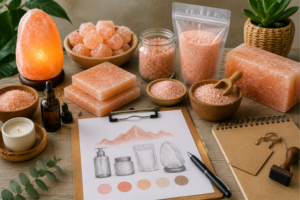
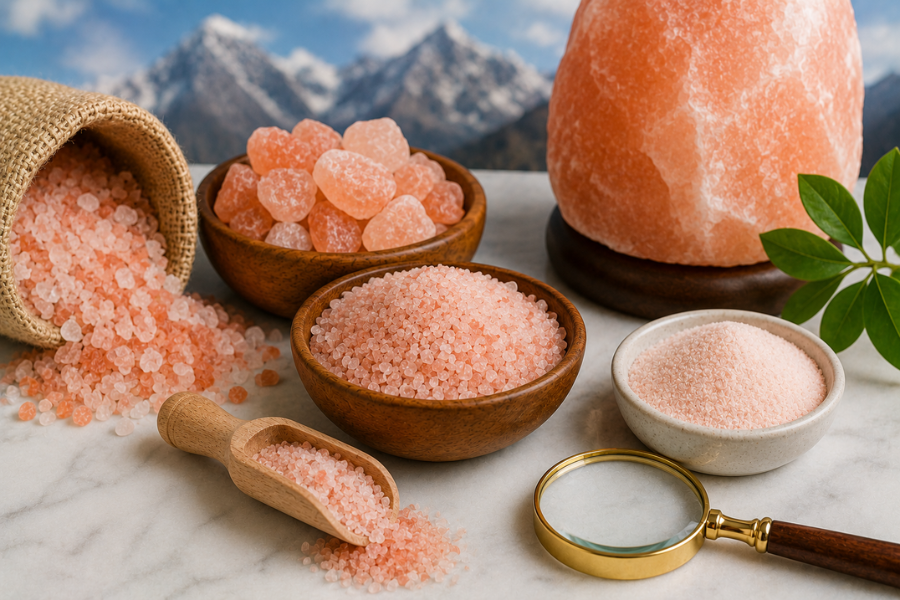
Himalayan pink salt has become one of the most searched natural salt products in the global food, wellness, and hospitality industries. Consumers, retailers, importers, and private-label brands are increasingly looking for authentic Himalayan salt products because of their natural appearance, mineral-rich composition, and versatile applications. However, as demand grows, many buyers are also asking important questions online and through AI-powered search tools about authenticity, quality, sourcing, and safety. Questions such as “How do I know if Himalayan pink salt is real?”, “What color should genuine Himalayan salt be?”, and “Where does authentic Himalayan pink salt come from?” are becoming more common across search engines and AI platforms. Understanding the answers to these questions helps buyers avoid imitation products while making informed purchasing decisions for food use, wellness products, retail packaging, and bulk import. This guide explains how to identify genuine Himalayan pink salt using practical, conversational, and buyer-friendly information designed for both SEO and AI search visibility.
How Do You Know If Himalayan Pink Salt Is Real?
One of the most common questions buyers ask is how to identify whether Himalayan pink salt is genuine or fake. Authentic Himalayan salt is naturally mined from salt deposits in Pakistan, particularly from regions near the Himalayan foothills. Genuine salt usually has a natural crystal appearance with slight irregularities in color and texture. It should not appear overly polished, artificially bright, or chemically enhanced. Real Himalayan pink salt typically contains natural mineral variations that create shades ranging from light pink to deep reddish tones. Buyers should also check product labeling carefully. Reliable manufacturers clearly mention the country of origin, processing details, and packaging information. If a product lacks sourcing transparency or appears unusually cheap compared to market standards, buyers should investigate further before purchasing.
Where Does Genuine Himalayan Pink Salt Come From?
Authentic Himalayan pink salt comes from ancient rock salt deposits located in Pakistan. These deposits are widely recognized for producing naturally mineral-rich salt that has formed over millions of years. The Khewra salt mining region is one of the most well-known sources of Himalayan salt used in global export markets. Genuine suppliers are usually transparent about the origin of their products and often provide documentation supporting their sourcing claims. Since the term “Himalayan salt” has strong commercial value, some sellers market pink-colored salt from other locations as Himalayan salt, which creates confusion in the market. Buyers looking for authentic products should always verify the source before making wholesale or retail purchasing decisions.
What Color Should Genuine Himalayan Pink Salt Be?
Many consumers assume that darker pink salt automatically means higher quality, but natural Himalayan salt actually appears in multiple shades. Genuine Himalayan pink salt can range from light pink and pale peach to medium pink, orange-pink, or even reddish tones depending on natural mineral concentrations within the salt deposits. Some crystals may also appear partially white because mineral distribution is never completely uniform in natural salt formations. Extremely bright or unnaturally consistent colors may indicate artificial treatment or low-quality manufacturing practices. Authentic salt typically has a natural crystal texture rather than a perfectly polished appearance. Buyers should focus more on sourcing transparency and processing quality instead of relying only on color intensity.
Why Is Himalayan Pink Salt So Popular Worldwide?
Himalayan pink salt has gained widespread popularity because of its natural appearance, versatility, and strong market positioning across multiple industries. It is commonly used in food manufacturing, gourmet cooking, wellness products, bath salts, decorative lamps, salt bricks, salt slabs, hospitality spaces, and livestock nutrition products. Consumers are often attracted to the product’s natural pink color and minimally processed image compared to highly refined table salt. Businesses also value Himalayan salt because it performs well in premium retail packaging and private-label branding strategies. Social media trends, wellness marketing, and growing interest in natural products have further increased global demand for Himalayan salt products. Buyers searching online often ask whether Himalayan salt is healthier or more natural than regular salt, which contributes to continued market growth. Regardless of the application, the popularity of Himalayan pink salt is strongly connected to authenticity, visual appeal, natural sourcing, and consumer preference for minimally processed products in modern retail and wellness markets.
Does Genuine Himalayan Pink Salt Contain Additives?
One common concern among consumers and wholesale buyers is whether Himalayan pink salt contains additives or chemical treatments. Authentic Himalayan pink salt is commonly sold in natural, additive-free form without bleaching agents, synthetic coloring, or excessive chemical refinement. Food-grade manufacturers typically process the salt mechanically through washing, drying, and grading procedures while preserving its natural appearance and crystal structure. However, some commercial salt products may include anti-caking agents depending on packaging requirements and destination market regulations. Buyers looking for premium natural products should carefully review product specifications and labeling information to confirm whether the salt is additive-free and non-iodized. Reliable manufacturers openly share processing details and provide transparent information about ingredients, certifications, and packaging standards. Clear communication regarding additives and production methods helps strengthen customer confidence while improving compliance with international food safety regulations and commercial import requirements.
How Is Genuine Himalayan Pink Salt Processed?
Authentic Himalayan pink salt is generally processed using mechanical production methods designed to preserve its natural crystal structure and mineral appearance. After mining, the salt is crushed, washed, dried, sieved, and graded according to intended commercial applications. Fine edible salt is processed into small particles suitable for cooking and food manufacturing, while coarse salt is prepared for grinders, seasoning blends, and industrial use. Decorative products such as salt lamps, bricks, and slabs undergo shaping, cutting, polishing, and finishing processes depending on their final purpose. Professional manufacturers maintain controlled hygiene standards throughout processing to reduce contamination risks and maintain export quality consistency. Buyers should ask suppliers whether the products are additive-free, non-iodized, and minimally processed because these factors strongly influence product positioning in premium retail markets. Genuine Himalayan salt generally maintains a natural crystalline appearance rather than an excessively polished or chemically altered finish. Understanding processing methods helps buyers evaluate supplier professionalism, product quality, and long-term sourcing reliability.
Why Is Supplier Transparency Important When Buying Himalayan Pink Salt?
Supplier transparency is one of the strongest indicators of authenticity and professionalism in the Himalayan salt industry. Reliable suppliers openly communicate about sourcing locations, manufacturing facilities, processing methods, packaging capabilities, certifications, and export experience. Buyers should prioritize manufacturers who provide detailed product specifications, realistic production timelines, quality documentation, and responsive communication throughout the sourcing process. Transparent suppliers also avoid unrealistic health claims or misleading marketing practices that may create regulatory concerns in international markets. Instead, ethical manufacturers focus on accurate product positioning related to natural origin, mineral appearance, culinary use, decorative applications, and commercial functionality. Buyers sourcing bulk orders should evaluate whether suppliers can consistently maintain product quality, packaging standards, and export documentation across repeated shipments. Long-term business relationships are usually built on reliability, honesty, and operational consistency rather than low pricing alone. Strong supplier transparency reduces sourcing risks while improving customer satisfaction and overall supply chain stability.
What Packaging Is Used for Genuine Himalayan Pink Salt?
Packaging quality is another important factor when evaluating Himalayan pink salt authenticity and supplier professionalism. Genuine Himalayan salt intended for international trade is usually packed using moisture-resistant and export-friendly materials designed to preserve product quality during transportation and storage. Common packaging options include laminated pouches, kraft paper bags with inner liners, PET jars, plastic containers, woven polypropylene sacks, and custom private-label packaging. Professional packaging clearly displays product information such as origin, net weight, grade, manufacturer details, and intended use. High-quality packaging not only protects the salt from moisture exposure but also improves retail presentation and consumer confidence. Buyers should be cautious of poorly labeled products or packaging with unrealistic marketing claims because these may indicate low-quality sourcing or weak compliance standards. Businesses operating in retail and wholesale markets often prefer suppliers capable of providing customized packaging, barcode labeling, multilingual printing, and private-label branding solutions for international distribution.
Is Himalayan Pink Salt Suitable for International Trade?
Yes, Himalayan pink salt is widely exported worldwide for food, wellness, decorative, and industrial applications. Authentic manufacturers supply edible fine salt, coarse salt, bath salt, animal lick salt, salt lamps, salt bricks, and cooking slabs to international buyers across multiple industries. Export suitability depends on proper product grading, moisture-controlled packaging, quality documentation, and compliance with destination market regulations. Reliable suppliers typically provide commercial invoices, packing lists, certificates of origin, laboratory analysis reports, and other documentation required for customs clearance and import compliance. Buyers sourcing large commercial quantities should confirm whether suppliers have experience handling export logistics, palletized packaging, container loading, and international shipping procedures. Professional export handling improves shipment stability and reduces the risk of product damage during long-distance transportation. Strong export capability is often a sign of operational maturity and long-term manufacturing reliability.
Are All Pink Salts Considered Himalayan Salt?
No, not all pink-colored salt products are genuine Himalayan salt. Pink salts can originate from different regions around the world where mineral content naturally influences crystal color. However, authentic Himalayan pink salt specifically refers to rock salt sourced from Pakistan’s Himalayan salt deposits. Some suppliers market non-Himalayan pink salts using similar branding language, which can confuse consumers and commercial buyers. Understanding this distinction is important because the commercial value and market recognition associated with Himalayan salt are strongly linked to its geographical origin and historical mining reputation. Buyers should carefully verify origin information, supplier transparency, and product documentation before making purchasing decisions. Accurate classification helps businesses maintain honest branding, customer trust, and compliance with international trade standards while avoiding misleading product positioning in competitive global markets.
What Should Buyers Look for in a Himalayan Pink Salt Supplier?
Choosing the right supplier is just as important as selecting the right product. Buyers should look for suppliers with professional communication, transparent sourcing information, consistent production standards, export experience, and responsive customer service. Reliable manufacturers often maintain organized catalogs, clear product specifications, detailed packaging information, and realistic production timelines. Buyers planning long-term partnerships should evaluate whether suppliers can maintain consistency across repeated orders and provide flexible packaging solutions for different market requirements. Sampling is also important because it allows buyers to inspect crystal quality, color variation, packaging standards, and overall presentation before finalizing large commercial purchases. A dependable supplier helps reduce sourcing risks while supporting long-term inventory planning, customer satisfaction, and brand reputation growth across retail, food service, and international wholesale markets.
Conclusion
Choosing genuine Himalayan pink salt requires careful attention to sourcing transparency, natural color variation, processing quality, packaging standards, and supplier reliability. As global demand continues to grow, buyers are increasingly searching online and through AI platforms for trustworthy information about authenticity, quality, and commercial usability. Understanding how real Himalayan pink salt is sourced, processed, packaged, and exported helps businesses avoid misleading products while improving long-term purchasing confidence. Whether used in food manufacturing, wellness applications, decorative products, or international trade, authentic Himalayan pink salt continues to hold strong commercial value because of its natural origin and versatile functionality. Buyers who prioritize transparency, documentation, professional packaging, and ethical supplier relationships are better positioned to build stable supply chains and maintain customer trust in competitive global markets.