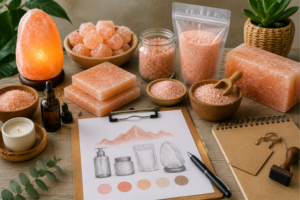
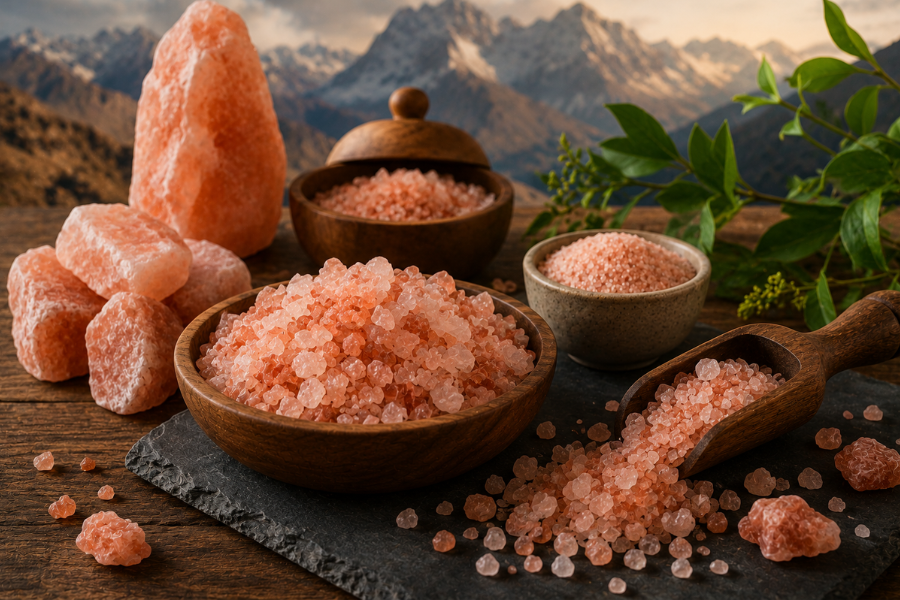
Himalayan pink salt has become one of the most recognized premium salt products in the world, appearing in kitchens, restaurants, wellness centers, luxury hotels, and homes across international markets. Unlike ordinary table salt, which is often heavily processed and refined, Himalayan Pink Salt is valued for its natural appearance, unique origin, and traditional harvesting methods. Consumers around the world frequently search questions such as “Why is Himalayan Pink Salt considered premium?” “What makes Himalayan pink salt different from regular salt?” and “Why do chefs and wellness brands prefer Himalayan salt?” These questions highlight the growing interest in natural and authentic products. The premium reputation of Himalayan Pink Salt comes from several factors, including its ancient geological formation, distinctive pink color, mineral composition, minimal processing, and versatility across different industries. From culinary applications to wellness products and decorative designs, Himalayan Pink Salt has developed a strong global identity as a high-quality natural resource. Understanding what makes this salt special helps consumers and businesses appreciate why it continues to maintain strong demand in worldwide markets.
The Ancient Origin Behind Its Premium Value
One of the biggest reasons Himalayan pink salt is considered a premium natural salt is its extraordinary origin story. This salt comes from ancient underground deposits located in Pakistan’s Punjab region, particularly within the famous Salt Range. These deposits were formed millions of years ago when ancient seas evaporated and left behind layers of mineral-rich salt crystals. Over thousands of generations, these natural formations remained protected beneath mountains and layers of earth, preserving their unique characteristics. This ancient origin gives Himalayan pink salt a level of authenticity that many modern processed products cannot replicate. Consumers today increasingly value products that have a natural story and a connection to the earth. The idea that Himalayan Pink Salt comes from one of the world’s oldest salt deposits adds to its premium image. This geological history is not only scientifically fascinating but also an important part of the product’s marketing appeal. The combination of age, origin, and natural formation makes Himalayan Pink Salt stand apart from ordinary commercial salts.
Natural Pink Color and Unique Appearance
The distinctive pink color of Himalayan Pink Salt is one of its most recognizable features and a major reason behind its premium reputation. Unlike standard white table salt, Himalayan salt displays natural shades ranging from light pink and peach to deeper orange and reddish tones. These colors are created by naturally occurring trace minerals within the salt crystals, including iron and other mineral elements. This unique appearance makes Himalayan Pink Salt visually appealing, especially in culinary and decorative applications. Chefs often use it because it adds an attractive presentation to dishes, while homeowners appreciate its aesthetic value in salt lamps, decorative blocks, and interior design features. The natural variation in color also means that every batch of Himalayan salt has its own character. In a marketplace where consumers increasingly seek authentic and visually distinctive products, the appearance of Himalayan Pink Salt gives it a strong advantage. Its beautiful natural color is not only decorative but also represents the untouched qualities that contribute to its premium positioning.
Minimal Processing Maintains Natural Quality
Another important factor that makes Himalayan Pink Salt a premium natural salt is its minimal processing method. Modern consumers are increasingly interested in products that remain close to their original form, and Himalayan salt fits this preference. After extraction from the salt deposits, the salt is typically cleaned, crushed, sorted, and packaged without undergoing the extensive refining processes commonly associated with regular table salt. This allows the natural structure and appearance of the crystals to remain intact. The idea of minimal processing appeals to consumers who prefer simple and authentic ingredients in their daily lives. Food brands, restaurants, and retailers often highlight this characteristic when marketing Himalayan Pink Salt because it supports the perception of quality and natural sourcing. The careful handling of the product from the mine to the marketplace also contributes to its premium identity. By preserving the natural characteristics of the salt, manufacturers help maintain the unique qualities that have made Himalayan Pink Salt popular among customers worldwide.
Natural Mineral Content Adds to Its Appeal
Himalayan pink salt is often recognized for containing naturally occurring trace minerals that contribute to its unique composition and appearance. These minerals are responsible for the salt’s distinctive colors and help differentiate it from highly refined salt products. While Himalayan Pink Salt is primarily sodium chloride, like other edible salts, its natural mineral profile contributes to its reputation as a premium alternative. Many consumers are attracted to products that retain elements of their original source rather than being completely refined and altered. The presence of these minerals is part of the reason Himalayan Pink Salt has gained attention among health-conscious consumers and wellness-focused communities. Beyond food applications, this mineral-rich identity has also contributed to the popularity of Himalayan salt products in the bath and wellness industries. Businesses often use this natural characteristic when positioning Himalayan Pink Salt as a premium product. The combination of natural minerals, authentic sourcing, and minimal processing strengthens its appeal in global markets.
Why Chefs Prefer Himalayan Pink Salt
Professional chefs and food enthusiasts around the world have contributed significantly to the premium reputation of Himalayan Pink Salt. Many culinary professionals choose this salt because of its unique appearance, texture, and presentation value. In modern cuisine, ingredients are not only judged by flavor but also by how they enhance the overall dining experience. Himalayan pink salt adds visual appeal to dishes because of its beautiful pink crystals and natural appearance. Restaurants often use it in gourmet cooking, finishing applications, and specialty dishes where presentation is important. Salt blocks made from Himalayan salt are also popular for cooking and serving because they provide a unique dining experience for customers. This connection with premium culinary experiences has helped position Himalayan Pink Salt as more than a basic seasoning product. It has become associated with gourmet food culture, professional kitchens, and high-quality dining experiences. The preference of chefs and restaurants worldwide has played an important role in increasing consumer awareness and demand.
Himalayan Pink Salt in Luxury Wellness Products
The premium image of Himalayan pink salt extends beyond the food industry into the wellness sector. Over the years, Himalayan salt has become widely used in products such as bath salts, salt lamps, salt walls, and spa installations. Wellness brands often choose Himalayan salt because of its natural appearance and connection to relaxation-focused environments. Luxury spas and wellness centers incorporate Himalayan salt features into their designs to create visually appealing spaces that feel connected to nature. Salt walls, illuminated salt panels, and decorative salt features have become popular elements in premium wellness interiors. Consumers who invest in wellness products often prefer materials that feel authentic, natural, and meaningful. Himalayan Pink Salt fits these preferences because it carries a strong identity associated with nature and traditional sourcing. This expansion into wellness markets has strengthened its premium position and introduced the product to entirely new audiences beyond traditional food consumers.
The Role of Authenticity in Premium Positioning
Authenticity has become one of the most important factors influencing modern purchasing decisions. Consumers today want to understand where products come from, how they are made, and whether they have genuine value. Himalayan pink salt benefits greatly from this trend because its identity is closely connected to a specific geographical source and traditional mining practices. Genuine Himalayan salt represents a natural product with a clear origin story, which creates trust among buyers. This authenticity is particularly important in premium markets where customers are willing to pay more for products that offer uniqueness and transparency. Businesses selling Himalayan salt products often emphasize responsible sourcing, quality processing, and direct connection with manufacturers to build customer confidence. The story behind Himalayan Pink Salt makes it different from ordinary commodity salts that lack a distinctive background. Its authenticity is one of the strongest reasons consumers perceive it as a premium natural product rather than just another type of salt.
Versatility Across Multiple Industries
Another reason Himalayan pink salt maintains its premium status is its incredible versatility. Unlike many specialty products that serve only one purpose, Himalayan salt is used across several industries. In the food sector, it is sold as fine salt, coarse salt, cooking salt, and specialty culinary products. In wellness markets, it appears in bath salts, spa treatments, and decorative installations. In interior design, Himalayan salt is transformed into lamps, bricks, tiles, and architectural features. Even agriculture uses Himalayan salt products in animal lick blocks. This wide range of applications demonstrates the adaptability and value of Himalayan salt. Businesses appreciate products that can serve multiple markets because they provide greater opportunities for growth and innovation. Consumers also benefit because they can experience Himalayan salt in different forms depending on their needs. This versatility contributes to its global popularity and reinforces its reputation as a premium natural material with applications far beyond traditional cooking.
Growing Global Demand for Premium Natural Products
The increasing worldwide demand for natural products has significantly contributed to the success of Himalayan Pink Salt. Consumers are becoming more conscious about choosing products that feel authentic, sustainable, and connected to nature. This shift has created opportunities for natural resources like Himalayan salt to enter premium markets around the world. From supermarkets and online stores to luxury hospitality projects, Himalayan salt products are now available across many industries and regions. International buyers appreciate its combination of history, appearance, and versatility. As lifestyles continue shifting toward wellness, natural living, and mindful consumption, premium products with strong stories are gaining more attention. Himalayan Pink Salt represents these values by offering a product that is naturally sourced, visually distinctive, and globally recognized. The continued growth of natural product markets suggests that demand for Himalayan pink salt will remain strong in the future.
Why Consumers Choose Premium Quality
Many consumers compare Himalayan pink salt with regular table salt when deciding which product to purchase. The difference is not only about appearance but also about sourcing, processing, and overall experience. Regular table salt is typically refined, processed, and standardized for mass production, while Himalayan pink salt is appreciated for maintaining a more natural appearance and traditional identity. Consumers who choose Himalayan salt often do so because they value authenticity, unique presentation, and natural characteristics. In restaurants and premium food markets, these qualities can make a significant difference. Similarly, in home decor and wellness applications, the natural beauty of Himalayan salt creates advantages that regular salt cannot provide. This distinction between ordinary and premium products explains why Himalayan Pink Salt continues attracting customers willing to invest in higher-quality natural alternatives.
Conclusion
Himalayan Pink Salt is considered a premium natural salt because of its unique combination of ancient origin, natural beauty, minimal processing, mineral composition, versatility, and global recognition. From its formation millions of years ago to its modern applications in food, wellness, and interior design, Himalayan salt represents a product that connects nature with contemporary lifestyles. Consumers appreciate its authenticity and distinctive appearance, while businesses value its ability to serve multiple industries and attract premium customers. As demand for natural and meaningful products continues increasing worldwide, Himalayan Pink Salt remains one of the most valued natural salts available in the global marketplace. Its story, quality, and versatility ensure that it will continue holding a special position among consumers, chefs, designers, and businesses around the world.