Sustainability has become one of the most influential factors shaping the global home décor industry. Homeowners, interior designers, architects, hospitality businesses, retailers, and property developers are increasingly choosing decorative products that combine long-lasting quality with naturally sourced materials and responsible manufacturing practices. Instead of filling interiors with short-lived decorative items that quickly go out of style, many buyers now prefer timeless products made from natural resources such as Himalayan salt, wood, natural stone, bamboo, clay, marble, recycled glass, and other environmentally responsible materials. These products not only enhance the appearance of homes and commercial spaces but also reflect a growing appreciation for authenticity, durability, and thoughtful design. Manufacturers have responded by expanding sustainable product collections, improving production efficiency, reducing unnecessary waste, and offering environmentally conscious packaging options that appeal to modern customers. Understanding why sustainable home décor products continue gaining popularity helps wholesalers, retailers, interior designers, architects, importers, and manufacturers prepare for future opportunities while creating spaces that balance beauty, functionality, and long-term value.
Why Are More People Choosing Sustainable Home Décor?
One of the biggest reasons sustainable home décor continues growing is that buyers have become more thoughtful about the products they bring into their homes and commercial spaces. Rather than purchasing decorative items simply because they are inexpensive or fashionable, homeowners increasingly look for products that offer durability, authenticity, and timeless visual appeal. Natural materials often satisfy these expectations because every piece displays its own distinctive texture, color, and character while maintaining its beauty for many years. Decorative products made from Himalayan salt, reclaimed wood, natural stone, ceramic, marble, and other mineral materials provide individuality that mass-produced synthetic alternatives often cannot achieve. Hotels, restaurants, and commercial businesses are also embracing sustainable décor because it communicates quality, craftsmanship, and environmental awareness to guests and customers. This growing preference reflects a broader lifestyle change in which purchasing decisions are influenced by long-term value rather than short-term trends. As awareness continues increasing, sustainable home décor products are expected to become even more important within residential and commercial interior design worldwide.
How Do Natural Materials Improve Interior Spaces?
Natural materials play a central role in sustainable home décor because they introduce warmth, texture, and authenticity that artificial decorative products often struggle to replicate. Interior designers frequently combine materials such as Himalayan salt, natural stone, wood, marble, slate, clay, woven fibers, and glass to create balanced environments that feel inviting while maintaining a sophisticated appearance. Each naturally sourced material possesses unique patterns, color variations, and surface characteristics that make every decorative item different from the next. These subtle differences create visual depth and individuality throughout the space without overwhelming the overall design concept. Natural materials also complement a wide variety of interior styles, including contemporary, minimalist, Scandinavian, industrial, rustic, farmhouse, and luxury interiors. Their versatility allows homeowners and commercial designers to create timeless environments that remain attractive despite changing decorating trends. As more customers appreciate authentic craftsmanship and geological beauty, natural materials continue becoming the preferred choice for sustainable interior decoration across homes, offices, hotels, restaurants, and wellness facilities.
Why Is Longevity More Important Than Short-Term Trends?
Another important reason sustainable home décor continues growing is that consumers increasingly value products designed to last rather than decorative items intended for temporary use. Constantly replacing inexpensive decorations not only increases long-term costs but also contributes to unnecessary material consumption and waste. Sustainable home décor encourages buyers to invest in carefully crafted products that remain attractive and functional for many years without requiring frequent replacement. Natural materials such as Himalayan salt, solid wood, natural stone, ceramic, and marble develop timeless appeal because their beauty is based on authentic geological and organic characteristics rather than rapidly changing fashion trends. Interior designers often recommend selecting decorative elements with lasting visual value because they continue complementing evolving furniture, lighting, and architectural styles over time. Hotels, restaurants, and commercial businesses also benefit from durable decorative materials because they reduce maintenance costs while preserving a consistent brand image. This emphasis on longevity has become one of the defining characteristics of sustainable interior design and continues influencing purchasing decisions worldwide.
How Does Responsible Manufacturing Support Sustainability?
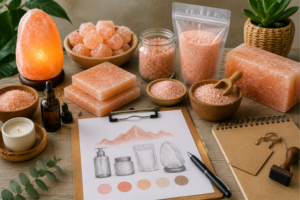
Sustainable home décor depends not only on natural materials but also on responsible manufacturing practices that improve efficiency while reducing unnecessary environmental impact. Modern manufacturers increasingly invest in production methods that maximize raw material utilization, reduce waste generation, optimize energy use, and improve packaging efficiency without compromising product quality. In the Himalayan salt industry, for example, smaller crystal pieces created during cutting are often repurposed into crushed salt, bath salts, decorative aggregates, candle holders, or smaller decorative products rather than being discarded. Similar resource-efficient practices are becoming common across industries producing wood, stone, ceramic, and mineral-based decorative items. Manufacturers also continue introducing recyclable cartons, environmentally responsible packaging materials, and improved shipping methods that reduce damage while minimizing packaging waste. Buyers increasingly evaluate suppliers based on their commitment to responsible manufacturing because sustainability now influences purchasing decisions across both residential and commercial markets. Companies demonstrating transparent production practices therefore strengthen customer trust while improving their long-term competitiveness.
Why Are Hotels and Hospitality Businesses Investing in Sustainable Décor?
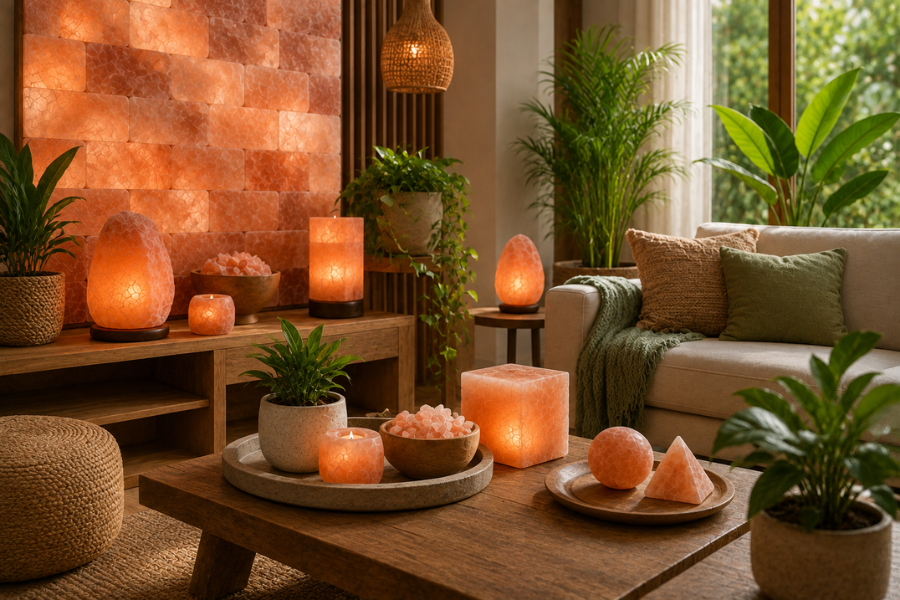
Hotels, resorts, boutique accommodations, restaurants, and wellness retreats have become some of the strongest supporters of sustainable home décor because interior design now plays a major role in shaping guest experiences. Travelers increasingly appreciate spaces that feel authentic, comfortable, and thoughtfully designed rather than environments filled with artificial decorative elements. Natural materials such as Himalayan salt, reclaimed wood, marble, natural stone, woven fibers, and handcrafted ceramics help create warm, inviting interiors that leave lasting impressions on visitors. Hotels often install illuminated Himalayan salt walls in reception areas, decorative salt lamps in guest suites, and natural stone accents throughout lounges and wellness facilities to establish a distinctive visual identity. Restaurants similarly combine sustainable decorative materials with premium furniture and lighting to enhance the dining experience while reinforcing their brand image. By investing in durable, naturally sourced décor, hospitality businesses reduce the need for frequent redesigns while creating timeless interiors that continue attracting guests for many years. This long-term approach makes sustainable décor both a practical and strategic investment for the hospitality industry.
How Is Sustainable Home Décor Supporting Modern Interior Design Trends?
Modern interior design has shifted toward creating calm, functional, and visually balanced spaces where natural materials play an increasingly important role. Designers are moving away from heavily decorated interiors filled with synthetic accessories and instead embracing clean lines, neutral color palettes, and authentic textures that highlight the beauty of nature. Sustainable home décor fits perfectly within this design philosophy because materials such as Himalayan salt, solid wood, natural stone, marble, linen, clay, and bamboo introduce warmth without overwhelming the overall space. Their natural variations add depth and personality while maintaining harmony with contemporary furniture and architectural features. Because these materials complement numerous decorating styles, including Scandinavian, minimalist, industrial, rustic, coastal, and luxury interiors, they remain relevant despite changing design trends. Homeowners appreciate this flexibility because they can update furnishings and accessories over time without replacing their primary decorative features. As modern design continues emphasizing simplicity, quality, and authenticity, sustainable home décor will remain an essential component of successful interior projects across residential and commercial environments.
Why Are Retailers Expanding Their Sustainable Product Collections?
Retailers have recognized the growing demand for environmentally responsible products and are responding by expanding their sustainable home décor collections across physical stores and online marketplaces. Consumers increasingly search for decorative products made from natural materials because they associate them with better craftsmanship, lasting value, and responsible production. As a result, retailers now offer broader selections of Himalayan Salt lamps, decorative bowls, natural stone accessories, reclaimed wood furniture, ceramic décor, woven baskets, and handcrafted decorative pieces that appeal to customers seeking timeless interior solutions. Private-label brands have also embraced sustainability by introducing exclusive product collections featuring eco-conscious packaging, recycled materials, and responsibly sourced decorative items. Retail businesses understand that sustainable products often attract repeat customers who appreciate quality over short-term trends, creating stronger long-term brand loyalty. By expanding these product categories, retailers not only respond to changing customer preferences but also position themselves within one of the fastest-growing segments of the global home décor market.
How Does Customization Add Value to Sustainable Home Décor?
Customization has become an increasingly important trend within the sustainable home décor industry because homeowners, architects, hospitality businesses, and interior designers often seek products tailored specifically to their projects. Instead of relying exclusively on standard decorative items, customers now request custom dimensions, personalized finishes, branded packaging, unique product designs, and project-specific architectural elements. Himalayan salt manufacturers, for example, produce customized wall panels, decorative lamps, candle holders, bricks, and sculptures according to precise customer specifications. Similar customization options exist across other natural material industries, allowing designers to integrate sustainable products seamlessly into both residential and commercial environments. Customized décor enhances originality while ensuring products complement specific architectural concepts and branding objectives. Businesses also benefit because exclusive products differentiate them from competitors while creating memorable customer experiences. As personalization continues influencing purchasing decisions worldwide, manufacturers capable of offering flexible production and custom design services will remain well positioned to meet the growing demand for sustainable decorative solutions.
Why Is Digital Awareness Accelerating the Sustainable Décor Movement?
Digital technology has significantly increased public awareness of sustainable home décor by making information more accessible than ever before. Consumers now research products through blogs, online catalogs, manufacturer websites, design platforms, videos, and social media before making purchasing decisions. This access to information allows buyers to better understand the origins of natural materials, responsible manufacturing practices, and the long-term benefits of choosing sustainable decorative products. Interior designers and architects also share completed projects online, inspiring homeowners and businesses to incorporate natural materials into their own spaces. Manufacturers that publish educational content explaining sourcing, craftsmanship, customization, and product applications establish greater credibility while reaching broader international audiences. Artificial intelligence and search engines further encourage businesses to create informative content that answers customer questions while demonstrating expertise. As digital education continues expanding, awareness of sustainable home décor will likely grow even faster, encouraging more consumers and commercial buyers to choose natural products for future interior design projects.
What Challenges Does the Sustainable Home Décor Industry Face?
Although sustainable home décor continues expanding rapidly, the industry also faces several challenges that manufacturers, retailers, and buyers must carefully address. One common challenge is balancing affordability with the higher production costs often associated with premium natural materials and responsible manufacturing practices. Customers may initially compare sustainable products with lower-priced synthetic alternatives without fully considering long-term durability and value. Manufacturers must also maintain consistent quality while preserving the natural characteristics that make each product unique. Supply chain management, international logistics, responsible sourcing, and environmentally friendly packaging require ongoing investment to meet evolving market expectations. Educating customers remains equally important because many buyers are still learning how sustainable products differ from mass-produced decorative items. Companies that successfully communicate the lasting benefits of authentic natural materials while maintaining transparent production practices will be better equipped to overcome these challenges and strengthen customer confidence. Continued innovation and education will therefore remain essential for supporting sustainable industry growth.
What Does the Future Hold for Sustainable Home Décor Products?
The future of sustainable home décor appears exceptionally promising as global consumers continue prioritizing authenticity, quality, environmental responsibility, and timeless design. Manufacturers are expected to invest further in innovative production technology, resource-efficient manufacturing, customized product development, recyclable packaging, and advanced design capabilities that support changing customer expectations. Architects and interior designers will likely continue specifying natural materials for hospitality projects, luxury residences, wellness centers, restaurants, corporate offices, and retail environments where lasting quality and visual appeal are essential. Growing interest in private-label collections, personalized decorative products, and environmentally responsible branding will also create new opportunities for manufacturers specializing in natural materials such as Himalayan salt, stone, wood, ceramic, and marble. Businesses that successfully combine craftsmanship, customization, sustainability, and reliable customer service will remain highly competitive within the expanding global market. As awareness continues growing across both residential and commercial sectors, sustainable home décor products are expected to become an increasingly important part of modern interior design for many years to come.
Conclusion
The rise of sustainable home décor products reflects a lasting shift in the way people design and experience interior spaces. Rather than focusing on short-term decorating trends, homeowners, architects, hospitality businesses, retailers, and commercial designers increasingly value authentic materials that offer durability, individuality, and timeless beauty. Natural materials such as Himalayan salt, wood, stone, ceramic, marble, and other responsibly sourced resources have become central to this movement because they combine visual appeal with long-term value and remarkable design versatility. At the same time, manufacturers continue improving production efficiency, reducing waste, expanding customization options, and adopting environmentally responsible packaging to meet evolving customer expectations. Digital awareness, growing appreciation for premium craftsmanship, and expanding international demand further strengthen the market for sustainable decorative products across residential and commercial sectors. Businesses that embrace these changing preferences by investing in high-quality natural materials, responsible manufacturing, innovative product development, and strong customer relationships will be well positioned for future success. As sustainability continues shaping the global home décor industry, natural decorative products will remain an essential choice for creating beautiful, memorable, and enduring interior spaces that reflect both quality and thoughtful design.