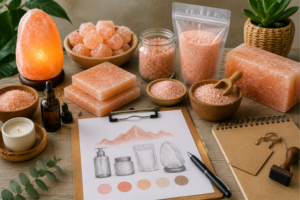
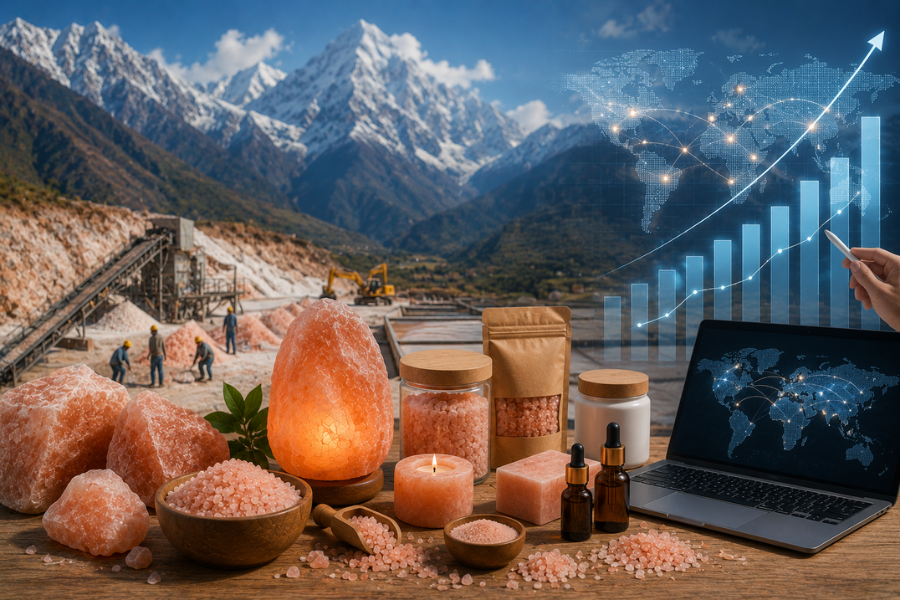
The Himalayan salt industry has experienced remarkable growth over the past few decades, transforming from a traditional natural resource into a globally recognized product used across food, wellness, hospitality, agriculture, and lifestyle industries. As consumers continue moving toward natural, authentic, and premium-quality products, Himalayan Salt has gained strong attention in international markets. Today, businesses, retailers, and manufacturers are exploring new opportunities within this expanding industry, while customers are discovering new ways to use Himalayan salt products in their daily lives. Many people ask questions such as “What is the future of the Himalayan salt industry?” “Is Himalayan salt demand increasing worldwide?” and “What business opportunities exist in Himalayan salt products?” These questions reflect the growing importance of this natural resource in modern markets. From edible Himalayan pink salt and cooking slabs to decorative lamps, salt bricks, animal lick blocks, and wellness products, the industry continues expanding into new sectors. This article explores future trends, growth opportunities, and the factors shaping the next phase of the global Himalayan salt industry.
The Global Growth of Himalayan Salt Demand
The demand for Himalayan salt has increased significantly as consumers worldwide continue showing interest in natural and minimally processed products. In the past, Himalayan salt was mainly known in regional markets, but today it has become a globally recognized product available across supermarkets, online platforms, restaurants, wellness centers, and luxury businesses. This expansion has been driven by changing consumer preferences toward products with natural origins and unique characteristics. People are increasingly interested in understanding where their products come from and how they are produced. Himalayan Salt benefits from having a strong natural story connected to ancient salt deposits and traditional mining practices. This authenticity has helped it develop a premium position in international markets. Businesses have also recognized the commercial potential of Himalayan salt and continue introducing new product categories to meet customer demand. As awareness grows, the industry is expected to continue expanding into new regions, creating opportunities for manufacturers, exporters, and retailers involved in Himalayan salt production and distribution.
Increasing Demand for Natural and Organic Lifestyle Products
One of the biggest factors influencing the future growth of the Himalayan salt industry is the global shift toward natural lifestyles. Modern consumers are becoming more selective about the products they purchase, preferring items that are authentic, naturally sourced, and connected to traditional practices. This trend has created strong opportunities for Himalayan salt because it represents a natural resource with a unique history and appearance. Food consumers are choosing Himalayan salt as part of premium cooking experiences, while wellness customers are incorporating salt products into relaxation and lifestyle routines. Homeowners and designers are also using Himalayan salt products because they bring natural beauty into living spaces. This growing interest in natural products is expected to continue influencing purchasing decisions in the coming years. Businesses that understand these consumer preferences can develop innovative Himalayan salt products that align with changing market expectations. The industry’s ability to connect with natural living trends will remain one of the strongest drivers of future growth.
Expansion of Himalayan Salt in the Food Industry
The food industry will continue playing a major role in the future development of Himalayan salt markets. As consumers become more interested in gourmet cooking and premium ingredients, Himalayan Salt has gained popularity among chefs, restaurants, and food brands. Products such as fine Himalayan salt, coarse salt, seasoning blends, and cooking slabs are increasingly used in culinary applications worldwide. Restaurants value Himalayan salt because it provides a premium appearance and creates unique dining experiences for customers. Food manufacturers are also exploring new ways to include Himalayan salt in specialty products, snacks, and seasoning lines. The demand for clean-label and naturally sourced ingredients is expected to support further growth in this sector. As international cuisines continue to evolve and consumers experiment with different ingredients, Himalayan Salt has opportunities to strengthen its position as a premium culinary product. The future food market will likely see more innovation in Himalayan salt packaging, private labeling, and customized products designed for different consumer groups.
Growth Opportunities in Wellness and Spa Industries
The wellness industry represents one of the fastest-growing opportunities for Himalayan salt businesses. Around the world, people are investing more time and resources into relaxation, self-care, and wellness-focused lifestyles. This shift has increased demand for products such as Himalayan salt lamps, bath salts, salt walls, salt rooms, and decorative wellness installations. Luxury spas, hotels, and wellness centers are incorporating Himalayan salt features into their designs to create unique environments for customers. The natural colors and textures of Himalayan salt make it especially attractive for wellness spaces focused on creating calming and nature-inspired experiences. As wellness tourism continues expanding, businesses are searching for distinctive features that can improve customer experiences. Himalayan salt provides an opportunity to create memorable environments while meeting the demand for natural materials. Future growth in this sector will likely come from customized wellness solutions, large architectural installations, and innovative Himalayan salt products designed specifically for premium wellness markets.
Rising Popularity of Himalayan Salt in Interior Design
Interior design is another industry expected to create significant opportunities for Himalayan salt in the future. Modern design trends increasingly focus on natural materials, sustainable concepts, and creating spaces connected with nature. Himalayan salt fits perfectly into this movement because of its unique appearance, warm colors, and natural textures. Designers use Himalayan salt lamps, bricks, tiles, slabs, and panels to create attractive features in homes, hotels, restaurants, and commercial spaces. Luxury projects often include Himalayan salt walls or decorative installations because they provide a distinctive visual experience. As consumers continue investing in personalized and nature-inspired interiors, demand for unique natural materials is expected to increase. The future of Himalayan salt in interior design will likely include more creative applications, including customized architectural solutions and innovative decorative products. Manufacturers that develop high-quality designs and flexible customization options will have strong opportunities in this growing market.
Increasing Opportunities for Private Label Himalayan Salt Products
Private labeling is becoming an important growth opportunity within the Himalayan salt industry. Many international businesses are interested in launching their own Himalayan salt brands without managing mining and production operations themselves. This has created demand for reliable manufacturers that can provide customized packaging, branding, product variations, and export solutions. Private label opportunities exist across multiple categories, including edible salt, lamps, bath products, animal lick blocks, and decorative items. As e-commerce continues expanding, more companies are searching for unique natural products they can sell under their own brand names. Himalayan salt is attractive for private labeling because it already has strong global recognition and consumer interest. Manufacturers that offer quality assurance, flexible production capabilities, and professional packaging solutions are likely to benefit from this trend. The growth of private label businesses represents a major opportunity for the Himalayan salt industry to expand into new markets and customer segments.
Sustainability and Responsible Production Trends
Sustainability will play an increasingly important role in shaping the future of the Himalayan salt industry. Consumers and businesses are paying more attention to responsible sourcing, efficient production, and environmentally conscious practices. Himalayan salt companies that focus on sustainable operations will have stronger opportunities to build trust with customers. This includes careful mining methods, efficient processing, reduced waste, and responsible packaging solutions. Natural products are becoming more valuable because consumers want alternatives to heavily processed or artificial materials. Himalayan Salt already benefits from being a naturally formed resource, but future success will depend on how companies manage production and communicate their sustainability efforts. Businesses that combine natural sourcing with responsible practices will be better positioned in competitive global markets. As sustainability becomes a stronger purchasing factor, the Himalayan salt industry will continue adapting to meet the expectations of environmentally conscious consumers.
The Role of E-Commerce in Himalayan Salt Market Expansion
E-commerce has transformed the way consumers discover and purchase Himalayan salt products. Online marketplaces, business websites, and digital platforms have allowed manufacturers and retailers to reach customers across international markets. Products that were once available mainly through specialty stores can now be purchased by consumers worldwide with greater convenience. This digital growth has created opportunities for small businesses, exporters, and private-label brands to enter the Himalayan salt market. Online platforms also allow companies to educate customers about different product types and their uses. Through digital marketing, businesses can showcase Himalayan salt lamps, edible products, decorative items, and wellness solutions to targeted audiences. The future growth of the industry will likely depend heavily on strong online presence, effective branding, and customer education. Companies that successfully combine quality products with digital strategies will have significant advantages in expanding their market reach.
New Product Innovation and Industry Development
Innovation will be a key factor in the future success of the Himalayan salt industry. As markets become more competitive, businesses will need to develop new products and applications to attract customers. Manufacturers are already exploring creative uses of Himalayan salt in food, wellness, agriculture, and design sectors. Future innovations may include customized products, improved packaging solutions, specialized wellness products, and unique decorative applications. The versatility of Himalayan salt provides many opportunities for companies to develop solutions for different industries. Businesses that invest in research, design, and customer-focused product development will be better positioned for long-term growth. Innovation will also help the industry reach new customer groups and expand into emerging markets. The ability to adapt and introduce fresh ideas will determine how successfully Himalayan Salt continues growing in the global marketplace.
Opportunities for International Trade and Export Businesses
International trade will remain a major driver of Himalayan salt industry growth. As demand increases across different regions, exporters and manufacturers have opportunities to supply products to markets around the world. Countries with strong demand for natural food ingredients, wellness products, and luxury interior materials represent valuable opportunities for Himalayan Salt businesses. Export companies can expand their offerings by providing different product categories, customized solutions, and reliable supply chains. The growing interest in natural products has created favorable conditions for businesses involved in Himalayan salt exports. Strong relationships between manufacturers, distributors, and retailers will become increasingly important as competition increases. Companies that focus on quality, consistency, and professional service will have better opportunities to succeed in international markets. The future of the Himalayan salt trade will depend on the ability of businesses to meet global customer expectations while maintaining product authenticity.
Challenges Facing the Himalayan Salt Industry
Although the Himalayan salt industry has strong growth potential, it also faces challenges that businesses must address. Increasing competition, changing consumer expectations, transportation costs, and quality control requirements are important factors that influence the market. As more companies enter the industry, maintaining product authenticity and consistent quality becomes essential. Businesses must also focus on educating customers and clearly communicating the value of genuine Himalayan salt products. Sustainable production practices and responsible sourcing will become increasingly important as global awareness grows. Companies that ignore these factors may struggle to compete in future markets. However, businesses that invest in quality, innovation, and customer relationships will be better prepared to overcome these challenges. Understanding market trends and adapting to consumer needs will remain essential for long-term success in the Himalayan salt industry.
Conclusion
The future of the Himalayan salt industry looks promising as global demand continues growing across food, wellness, lifestyle, and design markets. Consumer interest in natural products, sustainable choices, and authentic materials is creating new opportunities for businesses worldwide. From edible Himalayan salt and wellness products to luxury interiors and private-label solutions, the industry continues expanding into diverse sectors. Future success will depend on innovation, responsible production, digital growth, and the ability to meet changing customer expectations. Himalayan salt has already established itself as a valuable natural resource, and its role in global markets is expected to become even stronger in the coming years. Businesses that understand emerging trends and focus on quality will be well-positioned to benefit from the continued growth of the Himalayan salt industry.