One of the most remarkable qualities of Himalayan salt products is that no two pieces are ever completely identical. Whether you are purchasing edible Himalayan pink salt, decorative salt lamps, architectural salt bricks, candle holders, cooking slabs, bath salts, animal salt licks, or custom-crafted products, each item carries its own natural characteristics that have developed over millions of years beneath the Himalayan mountain region. Unlike synthetic materials produced under controlled industrial conditions, Himalayan salt is a naturally occurring mineral deposit formed through geological processes that cannot be duplicated artificially. These natural variations are not manufacturing defects; instead, they represent authenticity, individuality, and the geological history of every salt crystal. Businesses, architects, interior designers, wholesalers, retailers, and international importers increasingly appreciate these unique characteristics because they allow products to stand apart from mass-produced alternatives. Understanding why natural variations occur helps buyers recognize the value of genuine Himalayan salt products while making more informed purchasing decisions. This guide explores the many natural features that make every Himalayan salt product truly one of a kind.
Why Does Every Himalayan Salt Product Look Slightly Different?
Many first-time buyers expect Himalayan salt products to appear exactly alike, especially when ordering multiple pieces for commercial projects. In reality, every Himalayan salt product displays its own unique combination of colors, crystal patterns, textures, and mineral formations because each piece originates from a different section of a naturally formed salt deposit. During mining, large salt blocks are extracted from ancient underground reserves before being processed into finished products. Even blocks removed from the same mining area can exhibit noticeable differences in shade and appearance because mineral concentrations naturally vary throughout the deposit. Manufacturers carefully cut, shape, and finish the material while preserving these authentic characteristics rather than attempting to eliminate them. As a result, decorative salt lamps, cooking slabs, bricks, candle holders, and sculptures each possess subtle distinctions that enhance their individuality. These natural differences demonstrate that the products are created from genuine Himalayan salt rather than manufactured from artificial materials designed to imitate the appearance of natural stone.
Natural Color Variations Reflect Mineral Composition
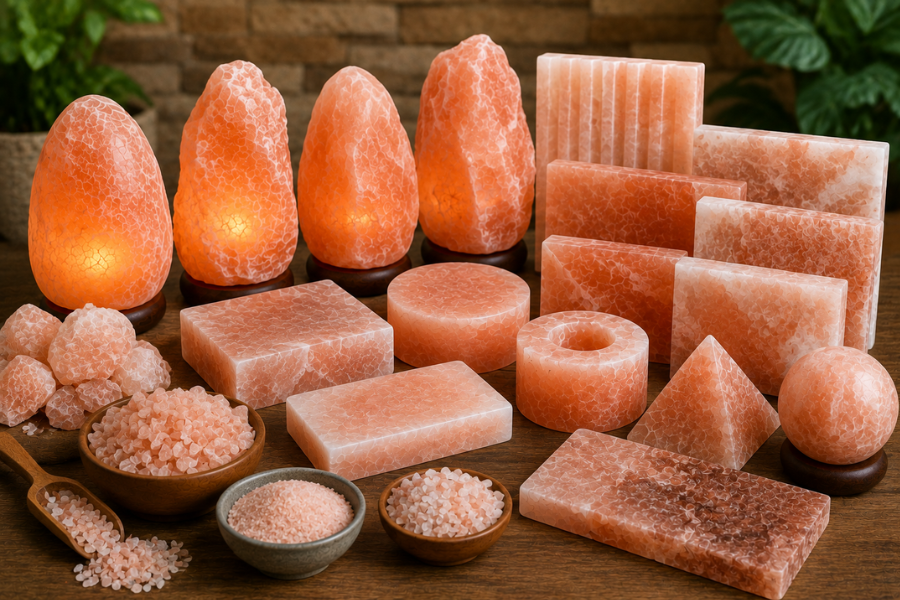
The beautiful colors associated with Himalayan salt are among the most recognizable features of these products, and they are entirely the result of naturally occurring mineral content rather than artificial coloring. Himalayan salt may display soft white tones, delicate pink shades, rich orange hues, reddish highlights, and deeper color variations depending on the concentration of naturally occurring minerals within each crystal formation. Because mineral distribution changes gradually throughout the underground salt deposits, neighboring blocks can exhibit noticeably different color intensities even though they originate from the same mining region. Manufacturers generally sort products according to broad color ranges for commercial consistency, particularly for architectural projects requiring visually balanced installations, but they do not alter the salt’s natural appearance. These authentic color variations are valued by wholesalers, retailers, architects, and interior designers because they contribute character and visual interest that cannot be replicated through industrial manufacturing. Every product therefore becomes a genuine expression of nature’s geological processes.
Crystal Patterns Add Individual Character
Beyond color differences, Himalayan salt products also display unique crystal patterns that develop naturally over millions of years during the formation of the underground salt deposits. Some products reveal smooth crystal surfaces with gentle transitions between color zones, while others contain striking mineral lines, translucent areas, textured formations, or layered crystal structures that create distinctive visual effects. These natural patterns become particularly noticeable in decorative salt lamps, architectural bricks, candle holders, and serving slabs where larger surface areas allow customers to appreciate the mineral details. Manufacturers intentionally preserve these patterns during cutting and finishing because they contribute to the authenticity and uniqueness of every finished product. Interior designers frequently appreciate these subtle differences because they create visually dynamic installations that avoid the repetitive appearance often associated with synthetic decorative materials. The individuality of each crystal pattern helps ensure that every Himalayan salt product remains naturally distinctive while reflecting the remarkable geological history from which it originated.
No Two Handcrafted Products Are Ever Exactly the Same
Many decorative Himalayan salt products receive additional shaping and finishing by skilled craftsmen after the initial cutting process, adding another level of uniqueness beyond the natural characteristics of the salt itself. Although manufacturers follow consistent production standards and dimensional specifications, handcrafted finishing introduces subtle differences that reflect the experience and attention to detail of individual artisans. Decorative lamps, candle holders, sculptures, bowls, and customized gift products often display slight variations in carving, texture, edge shaping, and finishing techniques while maintaining overall design consistency. These small differences should not be viewed as imperfections but rather as evidence of genuine craftsmanship combined with natural raw materials. Customers increasingly value handcrafted products because they recognize that each item possesses qualities that cannot be perfectly duplicated through automated manufacturing alone. This combination of natural geological variation and skilled craftsmanship ensures every finished Himalayan salt product carries its own distinctive identity.
Surface Texture Naturally Varies Between Salt Products
Another reason every Himalayan salt product is unique is the natural variation in surface texture found within the original salt deposits. Some sections of the crystal are naturally smoother and more uniform, while others contain visible grain structures, mineral lines, subtle ridges, or textured crystal formations that have developed over millions of years. During manufacturing, producers carefully shape the raw salt while preserving these natural characteristics rather than attempting to create perfectly identical surfaces. Depending on the intended application, manufacturers may apply polished, honed, rough-cut, or natural finishes, but even products receiving the same finishing process will continue displaying individual textures because the underlying crystal structure remains different. Interior designers often appreciate this characteristic because it creates visual depth within decorative walls, lighting features, and architectural installations. Retail customers also enjoy knowing that the decorative lamp or candle holder they purchase cannot be perfectly duplicated elsewhere. These naturally occurring textures reinforce the authenticity of Himalayan salt while highlighting the remarkable geological processes responsible for its formation.
Size and Shape Can Vary Naturally During Production
Even when manufacturers follow strict production specifications, slight differences in size, shape, and overall appearance can occur because Himalayan salt is a natural material rather than a synthetic industrial product. Large salt blocks extracted from underground mines rarely possess perfectly symmetrical forms, requiring skilled cutting and shaping throughout the manufacturing process. Decorative salt lamps made from natural rock formations intentionally preserve much of the original crystal shape, resulting in products with distinctive silhouettes and individual visual character. Even precision-cut items such as cooking slabs, salt bricks, and decorative tiles may display minor natural differences in crystal appearance despite maintaining accurate dimensions. Experienced manufacturers carefully balance production consistency with preservation of the material’s authentic qualities. Wholesale buyers generally appreciate these subtle variations because they demonstrate genuine natural origin while maintaining commercial quality standards. Understanding this balance helps customers recognize that small visual differences are an expected and valuable characteristic of authentic Himalayan salt rather than evidence of inconsistent manufacturing.
Why Architects and Interior Designers Appreciate Natural Variation
Architects and interior designers frequently consider natural variation one of the greatest advantages of Himalayan salt products because it allows them to create spaces with depth, individuality, and visual interest. Unlike manufactured decorative materials that often appear repetitive, Himalayan salt bricks, panels, lamps, and decorative accessories display constantly changing shades, textures, and crystal patterns that create dynamic interior environments. Illuminated salt walls, for example, become especially attractive because light interacts differently with every individual brick, producing subtle changes in brightness, color intensity, and natural transparency across the installation. Designers often combine these natural variations intentionally to create elegant feature walls that become focal points within hotels, luxury residences, spas, restaurants, and wellness centers. Rather than striving for complete uniformity, experienced designers embrace the individuality of Himalayan salt because it contributes warmth, authenticity, and artistic character to commercial interiors. These qualities help distinguish natural architectural materials from mass-produced decorative alternatives while creating memorable environments that guests and customers genuinely appreciate.
Natural Variation Adds Commercial Value
From a business perspective, natural variation provides significant commercial advantages because it differentiates Himalayan salt products from standardized decorative materials manufactured entirely by machines. Consumers increasingly value authenticity, craftsmanship, and natural products, making unique Himalayan salt items especially attractive within premium retail markets. Gift shops, luxury home décor retailers, wellness brands, hospitality businesses, and interior design companies often emphasize the individuality of every product as part of their marketing strategy. Customers enjoy purchasing decorative lamps, candle holders, serving bowls, or architectural products knowing that each piece possesses unique colors, crystal patterns, and natural textures unavailable anywhere else. This exclusivity adds perceived value while strengthening customer appreciation for genuine natural materials. Manufacturers also benefit because they can produce collections that celebrate natural diversity rather than attempting to eliminate it through excessive processing. Businesses that educate customers about these characteristics often experience greater satisfaction, stronger brand loyalty, and improved long-term relationships because buyers understand exactly what makes authentic Himalayan salt products special.
How Manufacturers Balance Consistency with Natural Beauty
Professional Himalayan salt manufacturers work carefully to balance commercial consistency with preservation of the material’s natural characteristics. For wholesale orders, especially those involving hotels, architectural projects, or retail chains, manufacturers sort products according to size, color range, finish, and production specifications to ensure shipments remain visually consistent while still retaining their authentic individuality. Advanced cutting equipment provides accurate dimensions for products such as bricks, tiles, cooking slabs, and decorative panels, while experienced quality control teams inspect every item before packaging. At the same time, manufacturers avoid artificially altering crystal patterns or applying artificial coloring because these natural characteristics represent the value of genuine Himalayan salt. Businesses importing large quantities therefore receive products that satisfy commercial quality standards while continuing to display the distinctive natural variations customers expect. This careful balance between precision manufacturing and natural authenticity represents one of the defining strengths of reputable Himalayan salt producers serving international wholesale markets.
What Should Buyers Expect When Ordering in Bulk?
Wholesale buyers occasionally wonder whether every product within a large shipment will look exactly the same. The answer depends on the product category and intended application. Precision-cut architectural bricks, cooking slabs, and edible salt products are manufactured according to specific dimensional standards, ensuring consistency in size and functionality. However, slight differences in color intensity, crystal transparency, mineral patterns, and natural texture should always be expected because these features are determined by nature rather than industrial manufacturing. Decorative products such as natural salt lamps, candle holders, sculptures, and bowls typically display even greater individuality because manufacturers intentionally preserve the original character of each salt block. Experienced suppliers usually explain these natural variations before production begins and may also provide color sorting or grading options for customers requiring greater visual consistency. Understanding these expectations helps importers make informed purchasing decisions while appreciating the authentic qualities that distinguish Himalayan salt products from artificial alternatives.
Natural Variation Is a Sign of Authenticity
One of the strongest indicators of genuine Himalayan salt is the presence of natural variation throughout the finished product. Artificial decorative materials often display perfectly uniform colors, identical textures, and repeated patterns because they are manufactured using synthetic molds or industrial coloring techniques. Genuine Himalayan salt behaves differently because it reflects millions of years of natural geological development. Slight differences in color, crystal clarity, texture, mineral lines, and overall appearance demonstrate that the product originated from authentic salt deposits rather than imitation materials. Reputable manufacturers preserve these characteristics throughout processing while maintaining high production standards and careful quality control. Businesses should therefore view natural variation as confirmation of authenticity rather than as an imperfection requiring correction. Educating customers about this distinction helps strengthen confidence in genuine Himalayan salt products while reducing misunderstandings regarding the natural appearance of decorative and architectural items.
Conclusion
The natural variations found in Himalayan salt products are among their greatest strengths and one of the primary reasons they continue attracting customers across the global market. Every decorative lamp, candle holder, cooking slab, architectural brick, serving bowl, bath salt crystal, and handcrafted sculpture reflects millions of years of geological history that cannot be replicated through modern manufacturing techniques. Differences in color, crystal patterns, mineral composition, surface texture, and natural shape are not flaws but valuable characteristics that confirm the authenticity and individuality of every product. Skilled manufacturers carefully preserve these unique features while maintaining consistent quality, accurate dimensions, and reliable production standards suitable for international wholesale markets. Architects, designers, retailers, hospitality businesses, and importers increasingly recognize that these natural variations enhance visual appeal while creating products that stand apart from standardized synthetic alternatives. By understanding why Himalayan salt naturally varies from one piece to another, buyers can make more informed purchasing decisions and confidently appreciate the remarkable beauty that only genuine natural materials can provide. As worldwide demand for authentic, sustainable, and naturally distinctive products continues to grow, the individuality of every Himalayan salt product will remain one of its most valuable and celebrated qualities.