
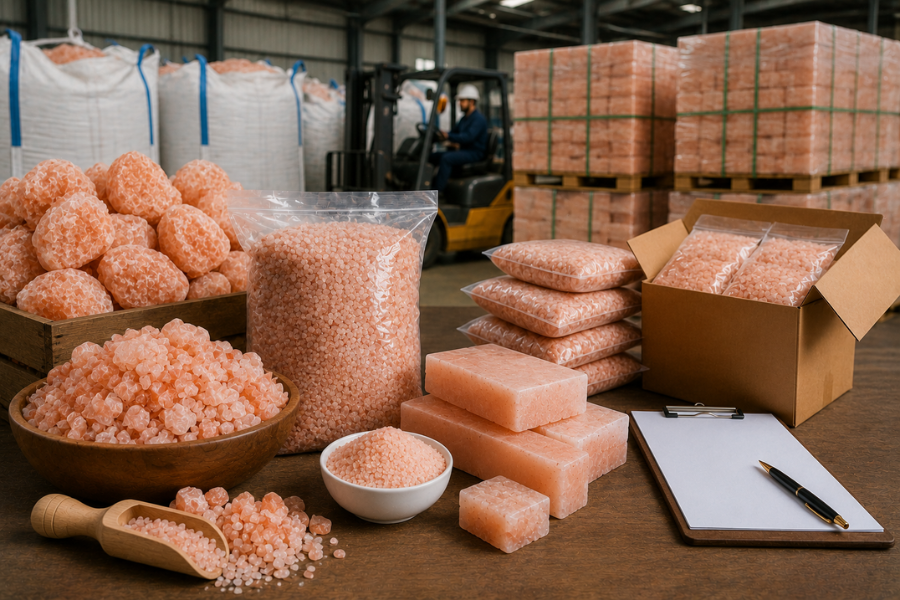
Buying Himalayan salt in bulk has become an important opportunity for businesses across food, wellness, hospitality, agriculture, and retail industries. As global demand for natural and premium-quality salt products continues increasing, many companies are searching for reliable suppliers who can provide consistent quality, competitive pricing, and flexible bulk purchasing options. Whether you operate a restaurant chain, health product brand, supermarket business, spa, or wholesale distribution company, choosing the right Himalayan salt supplier directly affects your product quality and customer satisfaction. Many businesses ask questions such as “How can I buy genuine Himalayan salt in bulk?” “What should I check before selecting a supplier?” and “How can I ensure consistent quality for large orders?” Understanding the bulk buying process helps companies avoid common mistakes and build successful supply chains. Unlike regular salt products, Himalayan salt is valued for its natural origin, unique appearance, and wide range of applications. This guide explains the important factors businesses should consider when purchasing Himalayan salt in bulk, from supplier selection and product specifications to packaging, shipping, and long-term partnerships.
Why Businesses Are Choosing Bulk Himalayan Salt Purchases
Bulk Himalayan salt purchasing has become increasingly popular because it provides businesses with better control over supply, pricing, and product availability. Companies that regularly use Himalayan salt products benefit from buying larger quantities because it reduces frequent ordering and helps maintain consistent inventory levels. Restaurants and food manufacturers require a steady supply of edible Himalayan pink salt, while wellness companies and retailers need reliable access to products such as salt lamps, slabs, bricks, and decorative items. Buying in bulk also allows businesses to negotiate better pricing and develop stronger relationships with manufacturers. Instead of purchasing from multiple small suppliers, companies can work with one trusted source that understands their specific requirements. This approach improves efficiency and reduces operational challenges. Bulk purchasing is especially beneficial for international buyers because it helps optimize shipping costs and simplify import processes. However, businesses must carefully evaluate suppliers to ensure that lower costs do not compromise product quality. A reliable bulk supplier provides both competitive pricing and consistent standards, helping companies grow successfully.
Understanding Different Types of Bulk Himalayan Salt Products
Before purchasing Himalayan salt in bulk, businesses should understand the different product categories available in the market. Himalayan salt is not limited to edible products; it is used across several industries with different specifications and requirements. Food businesses often purchase fine salt, coarse salt, granules, and seasoning products for cooking and retail packaging. Wellness companies commonly import Himalayan salt lamps, bath salts, salt walls, and decorative products for lifestyle markets. Hospitality businesses such as hotels and spas may require salt bricks, tiles, panels, and slabs for interior design and wellness installations. Agricultural businesses also purchase Himalayan salt lick blocks for livestock use. Each product category requires different quality standards, processing methods, and packaging solutions. A professional supplier should be able to provide detailed product information and help buyers select the right options for their market. Understanding these differences allows businesses to make informed purchasing decisions and avoid ordering products that do not match their customers’ needs. A clear understanding of product categories is the first step toward successful bulk Himalayan salt sourcing.
How to Choose a Reliable Bulk Himalayan Salt Supplier
Selecting the right supplier is one of the most important steps when buying Himalayan salt in bulk. A reliable supplier should have experience in manufacturing, processing, and exporting Himalayan salt products to international markets. Businesses should evaluate factors such as product authenticity, production capacity, quality control systems, export experience, and customer service before making a decision. A professional supplier should be transparent about the origin of their salt and provide information about sourcing and processing methods. Buyers should also review supplier capabilities, including their ability to handle large orders, customize packaging, and maintain consistent quality. Communication is another important factor because bulk purchasing requires clear coordination regarding specifications, quantities, delivery schedules, and documentation. Working with an experienced supplier reduces risks such as delayed shipments, inconsistent products, or poor packaging. A trustworthy Himalayan salt supplier acts as a long-term business partner by supporting buyers with reliable products and professional services. Choosing carefully at the beginning can help businesses create a stable and successful supply chain.
Importance of Quality Checking Before Bulk Orders
Quality inspection is essential when purchasing Himalayan salt in large quantities because businesses depend on consistency to maintain customer trust. Before placing major orders, buyers should evaluate product samples and review important details such as color, texture, purity, size, and overall appearance. For edible Himalayan salt, quality checks may include testing standards, processing methods, and packaging requirements. For decorative products like salt lamps and slabs, businesses should examine craftsmanship, durability, finishing quality, and product consistency. A reliable supplier should have proper quality control procedures throughout production to ensure every batch meets agreed specifications. Bulk orders involve significant investment, so verifying quality before production helps prevent costly mistakes. Many professional buyers request samples, product images, specifications, and documentation before finalizing orders. This process helps establish confidence between buyers and suppliers while ensuring that the final products meet market expectations. Quality assurance is not only about receiving good products; it is about protecting a brand’s reputation and maintaining customer satisfaction over time.
Understanding Bulk Himalayan Salt Pricing Factors
When purchasing Himalayan salt in bulk, understanding the factors that influence pricing helps businesses make better purchasing decisions. The final cost of Himalayan salt products depends on several elements, including product type, order quantity, processing requirements, packaging, customization, and shipping arrangements. Raw Himalayan salt products usually have different pricing compared to fully processed and packaged products because additional manufacturing steps affect the overall cost. For example, edible Himalayan pink salt requires cleaning, grinding, grading, and food-safe packaging, while decorative products such as salt lamps and bricks require skilled craftsmanship and finishing. Larger orders generally provide better pricing opportunities because suppliers can optimize production and shipping efficiency. However, businesses should not focus only on finding the lowest price because extremely low prices may indicate compromises in quality or service. A professional supplier provides transparent pricing based on product specifications and business requirements. Understanding these pricing factors allows buyers to plan their budgets effectively and choose solutions that provide the right balance between cost, quality, and long-term value.
Minimum Order Quantities for Bulk Himalayan Salt Purchases
Minimum Order Quantity, commonly known as MOQ, is an important factor businesses should understand before purchasing Himalayan salt in bulk. Different suppliers have different MOQ requirements depending on product type, customization needs, and production capacity. For standard products, suppliers may offer flexible quantities, while customized private-label products often require larger orders because of special packaging and production arrangements. Businesses should discuss MOQ requirements with suppliers before placing orders to ensure that the quantity matches their storage capacity, budget, and market demand. New businesses entering the Himalayan salt industry may prefer starting with smaller bulk orders to test customer response before increasing their purchasing volume. Established companies with stable demand may benefit from larger orders because they can achieve better pricing and maintain consistent inventory. A reliable supplier should provide flexible solutions and help buyers select suitable order quantities based on their business goals. Understanding MOQ requirements helps companies avoid unnecessary inventory challenges while creating a more efficient purchasing strategy.
Choosing the Right Packaging for Bulk Himalayan Salt Products
Packaging plays a critical role in protecting Himalayan salt products during storage, transportation, and international shipping. The right packaging method depends on the type of product being purchased and its intended market. Edible Himalayan salt products require food-grade packaging that maintains freshness, prevents contamination, and meets market requirements. Decorative products such as salt lamps, bricks, tiles, and slabs require protective packaging that prevents breakage during handling and transportation. Businesses purchasing in bulk should discuss packaging options with suppliers, including carton strength, protective materials, labeling, and customized branding solutions. For international buyers, export-quality packaging is especially important because products often travel long distances through multiple transportation stages. Professional suppliers usually offer customized packaging services that allow businesses to add their own branding and product information. Good packaging not only protects the products but also improves the customer experience when items reach the final market. Investing in proper packaging reduces damage, minimizes losses, and helps businesses maintain a professional image.
Shipping and Import Considerations for Bulk Himalayan Salt Orders
International shipping is an important part of bulk Himalayan salt purchasing, especially for businesses importing products from Pakistan to global markets. Buyers need to consider factors such as shipping methods, transportation costs, customs procedures, documentation, and delivery timelines before placing large orders. Sea freight is commonly used for bulk Himalayan salt shipments because it is more economical for heavy products compared to air transportation. However, businesses should plan orders in advance because international shipping requires proper scheduling and coordination. A reliable supplier should have experience handling export documentation and working with international logistics providers. Buyers should also understand import regulations in their destination country to avoid delays during customs clearance. Proper planning helps businesses control costs and ensure smooth delivery of products. Suppliers with export experience can provide valuable assistance by preparing necessary documents, arranging secure packaging, and coordinating shipment procedures. Choosing a supplier who understands international trade makes the bulk buying process easier and more reliable.
Storage Requirements for Bulk Himalayan Salt Products
Proper storage is essential for maintaining the quality of Himalayan salt products after purchase. Businesses that buy in bulk need suitable storage facilities to protect products from moisture, contamination, and damage. Since natural salt can absorb humidity from the environment, storage areas should remain dry, clean, and properly ventilated. Edible Himalayan salt products should be stored according to food safety requirements, while decorative products should be protected from unnecessary handling and impact. Businesses should organize inventory carefully to prevent damage and make product management easier. Proper storage practices are especially important for wholesalers and retailers who maintain large quantities of stock for extended periods. A reliable supplier can provide guidance about storage recommendations based on specific product categories. Maintaining good storage conditions helps preserve product quality, appearance, and customer satisfaction. Businesses that invest in proper inventory management can reduce waste, improve efficiency, and maximize the benefits of bulk Himalayan salt purchasing.
Common Mistakes Businesses Make When Buying Himalayan Salt in Bulk
Many businesses experience challenges when purchasing Himalayan salt in bulk because of avoidable mistakes during the supplier selection and ordering process. One common mistake is choosing a supplier based only on price without checking product quality, manufacturing experience, or reliability. Another mistake is failing to request samples before placing large orders, which can result in receiving products that do not meet expectations. Businesses may also overlook important details such as packaging requirements, shipping arrangements, and storage conditions. Poor communication between buyers and suppliers can create misunderstandings regarding product specifications, quantities, and delivery schedules. Another issue is not researching the supplier’s export experience, which may lead to problems with international shipments. Successful bulk purchasing requires careful planning, supplier evaluation, and clear communication. Businesses that take time to understand these factors are more likely to build successful partnerships and avoid unnecessary costs. Working with a professional Himalayan salt supplier provides greater confidence and reduces risks throughout the purchasing process.
Building a Long-Term Relationship with a Himalayan Salt Supplier
Developing a strong relationship with a reliable Himalayan salt supplier can provide significant advantages for businesses over time. A long-term supplier partnership creates better communication, improved pricing opportunities, and more consistent product quality. When suppliers understand a business’s requirements, they can provide more personalized solutions, including customized packaging, product development, and flexible ordering options. Long-term partnerships are especially valuable for companies that regularly purchase large quantities and need dependable supply chains. A trusted supplier becomes more than just a product source; they become a business partner who supports growth and expansion. Regular communication, clear expectations, and mutual trust help create successful relationships between buyers and manufacturers. Businesses should focus on finding suppliers who are committed to quality, reliability, and professional service rather than changing suppliers frequently based only on short-term pricing differences. A strong partnership helps companies maintain market consistency and respond effectively to growing customer demand.
Future Opportunities in Bulk Himalayan Salt Business
The future of bulk Himalayan salt purchasing looks promising as global demand continues expanding across multiple industries. Food companies, wellness brands, hospitality businesses, and retailers are increasingly searching for authentic natural products that offer unique value to customers. This growing demand creates opportunities for businesses that can establish reliable supply chains and develop innovative product offerings. Bulk purchasing allows companies to introduce new product lines, improve pricing strategies, and expand into different markets. The rise of online commerce has also created new opportunities for businesses to sell Himalayan salt products internationally. Companies that combine quality products, strong branding, and dependable supplier relationships can achieve long-term success in this growing industry. As consumers continue showing interest in natural and premium products, Himalayan salt is expected to remain an important category in global trade. Businesses that prepare early by building strong supplier partnerships and efficient purchasing strategies will be better positioned to take advantage of future market opportunities.
Conclusion
Bulk Himalayan salt purchasing offers valuable opportunities for businesses looking to enter or expand within the natural product market. From food and wellness industries to hospitality and retail sectors, Himalayan salt products continue gaining popularity worldwide. However, successful bulk purchasing requires careful planning, supplier evaluation, quality checking, proper packaging, and efficient shipping management. Choosing a reliable supplier ensures that businesses receive authentic products with consistent quality and professional support. Understanding pricing factors, minimum order quantities, storage requirements, and export procedures helps companies make smarter purchasing decisions. A strong relationship with a trusted Himalayan salt supplier can provide long-term benefits, including better service, customization options, and reliable supply. As global demand continues increasing, businesses that invest in quality sourcing and strategic bulk purchasing will have greater opportunities to succeed in the competitive Himalayan salt market. By following the right buying approach, companies can build successful product lines and create lasting value for their customers.