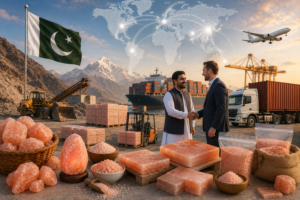

Quality standards play a crucial role in the international Himalayan salt export industry because global buyers expect authentic, safe, and consistently produced products. As demand for Himalayan pink salt continues increasing across food, wellness, hospitality, and lifestyle industries, exporters must maintain strict quality practices to meet international market expectations. Businesses importing Himalayan salt products often ask questions such as, “How do exporters ensure Himalayan salt quality?” “What standards should buyers check before importing Himalayan salt?” and “How can companies verify that they are purchasing genuine Himalayan salt products?” These questions highlight the importance of transparency, testing, and professional manufacturing practices. Quality is not limited to the appearance of salt; it includes sourcing methods, processing procedures, purity levels, packaging standards, documentation, and customer requirements. A reliable Himalayan salt exporter follows a complete quality management system to ensure products remain consistent from the mining stage to final delivery. For companies purchasing Himalayan salt internationally, understanding these standards helps them choose trustworthy suppliers and build successful long-term partnerships. This guide explains the important quality standards followed during Himalayan salt export and how professional exporters maintain product excellence for global markets.
Importance of Quality Standards in Himalayan Salt Export
Quality standards are essential in Himalayan salt exports because they directly influence customer trust, business reputation, and international market success. When companies purchase Himalayan salt in bulk, they expect products that match agreed-upon specifications in every shipment. Inconsistent quality can create challenges such as customer complaints, product returns, and damage to brand reputation. Professional exporters understand that international buyers are not only purchasing salt products; they are investing in reliability and consistency. Strong quality standards help exporters maintain control over every stage of production, including sourcing, processing, packaging, and transportation. These standards also help businesses meet the requirements of different industries. For example, food companies require safe and properly processed edible salt, while wellness and interior businesses need attractive and durable decorative products. By following strict quality procedures, exporters can provide products that satisfy different market demands. Quality management also creates stronger relationships between suppliers and buyers because businesses feel confident working with manufacturers who prioritize transparency and professionalism.
Authentic Sourcing of Himalayan Salt for Export Markets
The first step in maintaining export quality is ensuring authentic sourcing of Himalayan salt from reliable mining locations in Pakistan. Genuine Himalayan salt comes from ancient salt deposits found in the Himalayan Salt Range, where natural salt crystals have developed over millions of years. Exporters must work with trusted mining operations to ensure that the raw material used in production is authentic and meets expected quality standards. Proper sourcing helps maintain the natural characteristics that make Himalayan salt valuable in international markets, including its unique color, crystal structure, and mineral composition. Professional exporters carefully select raw salt according to the intended application, whether it is for food products, decorative items, wellness products, or industrial uses. Traceability is also an important part of quality management because buyers want confidence about the origin of the products they purchase. By maintaining transparent sourcing practices, exporters can provide international customers with genuine Himalayan salt products while protecting the reputation and authenticity of this natural resource.
Quality Control During Himalayan Salt Processing
Processing quality is one of the most important factors in preparing Himalayan salt products for export. After extraction, raw salt goes through several stages depending on the final product requirements. For edible Himalayan pink salt, processing includes cleaning, crushing, grinding, grading, and hygienic packaging to ensure suitability for food markets. Decorative products such as Himalayan Salt Lamps, bricks, tiles, and slabs require careful shaping, polishing, and finishing to achieve the desired appearance and durability. Professional manufacturers maintain quality checks throughout each production stage to identify and correct any issues before products reach international buyers. Processing facilities must follow organized procedures to maintain consistency, especially for large export orders. This ensures that customers receive products with similar quality, size, color, and finishing in every shipment. Quality control during processing also helps exporters reduce waste, improve efficiency, and meet customer expectations. A strong manufacturing process demonstrates the exporter’s commitment to delivering reliable Himalayan salt products to global markets.
Testing and Inspection Requirements for Export Quality
Testing and inspection are important parts of maintaining Himalayan salt export standards because they verify that products meet customer and market expectations. Before shipment, professional exporters inspect products for quality, appearance, specifications, and overall condition. For edible Himalayan salt, testing may focus on factors such as purity, cleanliness, and compliance with food safety requirements. Decorative products are inspected for size accuracy, structural strength, finishing quality, and visual appeal. Exporters often provide product samples, specifications, and quality information to international buyers before confirming large orders. This process allows businesses to evaluate products and ensure they match their requirements. Regular inspection also helps manufacturers maintain consistency between different production batches. International buyers prefer suppliers who have clear testing procedures because it reduces risks associated with importing large quantities. By investing in proper testing and inspection systems, Himalayan Salt exporters demonstrate professionalism and build stronger confidence among global customers.
International Certifications and Compliance for Himalayan Salt Export
International certifications and compliance requirements are important factors that help Himalayan salt exporters build trust with global buyers. Different countries and industries have specific regulations that suppliers must follow before products can enter international markets. For edible Himalayan salt products, buyers often look for suppliers who follow proper food safety practices and maintain hygienic production environments. Certifications and compliance documents demonstrate that an exporter follows professional procedures and understands international trade requirements. While requirements may vary depending on the destination country and product category, reliable exporters maintain proper records, testing reports, and quality documentation to support their shipments. These standards are especially important for businesses supplying supermarkets, restaurants, food brands, and wellness companies because customers expect safe and reliable products. Professional Himalayan salt exporters continuously improve their quality systems to meet changing market expectations. By maintaining proper certifications and compliance practices, exporters can access more international markets and create stronger relationships with distributors, retailers, and business partners around the world.
Food Safety Standards for Edible Himalayan Salt Products
Food safety is one of the most important quality considerations for businesses importing edible Himalayan salt products. Since Himalayan pink salt is used directly in food preparation and consumption, exporters must ensure that products are processed, handled, and packaged under suitable conditions. Maintaining hygiene throughout the production process helps prevent contamination and protects consumer safety. Professional manufacturers carefully control cleaning procedures, grinding processes, storage conditions, and packaging methods to maintain product quality. Food businesses purchasing Himalayan salt in bulk need confidence that their supplier follows proper safety practices and can provide consistent products. Quality-focused exporters also maintain proper labeling, ingredient information, and product specifications to support international requirements. Good manufacturing practices help ensure that edible Himalayan salt maintains its natural characteristics while meeting market expectations. For international buyers, choosing a supplier with strong food safety systems reduces risks and creates confidence in the products they offer to their customers. Reliable food safety practices are therefore a key part of successful Himalayan salt exports.
Packaging Quality Standards for Himalayan Salt Export
Packaging quality is another essential element in maintaining Himalayan salt export standards because products must remain protected throughout international transportation. Poor packaging can result in moisture exposure, breakage, damaged products, and financial losses for both exporters and buyers. Professional Himalayan salt suppliers use packaging solutions designed according to the product type and destination requirements. Edible salt products require secure and hygienic packaging materials that preserve freshness and prevent contamination. Decorative products such as salt lamps, slabs, tiles, and bricks require strong protective packaging to prevent cracks and damage during shipping. Export-quality packaging also includes proper labeling, product information, handling instructions, and branding requirements when needed. Many international businesses prefer suppliers who can provide customized packaging options for their own brands. A well-organized packaging system shows that an exporter understands international customer expectations and values product presentation. By investing in high-quality packaging methods, Himalayan salt exporters can reduce shipping risks and ensure that customers receive products in excellent condition.
Maintaining Consistency in Large Himalayan Salt Export Orders
Consistency is one of the biggest challenges in international Himalayan salt exports because businesses often place large and repeated orders. Global buyers expect every shipment to match previous orders in terms of quality, appearance, size, and specifications. Professional exporters achieve consistency through organized production systems, experienced workers, and strict quality checks. Before starting bulk production, manufacturers usually confirm product specifications with buyers to ensure clear understanding of requirements. During production, quality teams monitor different stages to maintain uniform results. This is especially important for businesses selling Himalayan salt products under their own brands because inconsistent quality can negatively affect customer trust. Reliable exporters maintain records of production processes and customer requirements to ensure future orders remain consistent. This attention to detail helps businesses create stable supply chains and maintain long-term partnerships. Consistent quality is one of the main reasons international buyers prefer working with experienced Himalayan salt suppliers rather than changing suppliers frequently.
Importance of Export Documentation and Product Transparency
Proper documentation is an essential part of maintaining professional Himalayan salt export standards. International buyers need accurate information about products, shipments, and supplier practices before completing business transactions. Export documentation helps ensure smooth customs procedures and provides transparency throughout the supply chain. Professional suppliers prepare necessary documents related to product details, packaging information, shipment records, and other requirements depending on the destination market. Transparency is especially important because buyers want confidence that they are receiving authentic Himalayan salt products from a reliable source. Suppliers who provide clear information about product origin, processing methods, and quality procedures demonstrate professionalism and build stronger relationships with customers. Proper documentation also helps prevent delays during international shipping and supports efficient communication between exporters, importers, and logistics companies. Businesses that prioritize transparency are more likely to establish long-term partnerships because buyers appreciate suppliers who provide reliable information and maintain professional standards.
How Buyers Can Verify a Himalayan Salt Exporter’s Quality Standards
International buyers should carefully evaluate a Himalayan salt exporter before placing large orders to ensure they are working with a reliable supplier. One of the best ways to verify quality standards is by reviewing product samples, company information, manufacturing capabilities, and previous export experience. Buyers should ask suppliers about sourcing methods, processing procedures, packaging options, and quality control practices. Visiting manufacturing facilities or requesting production details can also help businesses understand the supplier’s capabilities. Communication quality is another important indicator because professional exporters usually provide clear answers and detailed information. Buyers should also review customer feedback, market reputation, and the supplier’s ability to handle customized requirements. A trustworthy exporter will be transparent about their processes and willing to discuss quality expectations. Taking time to verify suppliers before making bulk purchases helps businesses avoid quality issues and build successful partnerships with manufacturers who can meet international standards.
Common Quality Issues in Himalayan Salt Export and How They Are Managed
Although Himalayan salt is naturally valuable, exporters must manage certain quality challenges to maintain customer satisfaction. Common issues may include inconsistent product sizes, improper packaging, moisture exposure, surface damage, or variations between production batches. Professional suppliers address these challenges through strict quality control procedures, careful processing, and proper storage methods. For decorative products, skilled craftsmanship and final inspections help maintain appearance and durability. For edible products, controlled processing and packaging procedures help maintain purity and safety. Exporters also work closely with buyers to understand their specific requirements and adjust production accordingly. Effective quality management reduces product problems and helps maintain strong relationships with international customers. Businesses that choose experienced suppliers benefit from better reliability because professional exporters already understand how to manage international quality expectations. Continuous improvement and attention to detail are essential for maintaining the reputation of Himalayan salt products in competitive global markets.
The Future of Quality Standards in the Himalayan Salt Export Industry
The future of Himalayan salt exports will continue to depend heavily on strong quality standards and professional manufacturing practices. As more businesses enter the natural product market, international buyers will become increasingly focused on authenticity, transparency, and reliability. Exporters who invest in advanced quality control systems, improved packaging solutions, and sustainable practices will have better opportunities to compete globally. Consumer awareness is also increasing, which means businesses must provide products that meet higher expectations regarding safety, sourcing, and overall quality. Pakistani Himalayan salt suppliers have a strong advantage because they have direct access to authentic salt resources and years of experience in processing and exporting these products. By continuously improving their quality systems, exporters can strengthen their position in international markets. Future growth will depend not only on producing more Himalayan salt products but also on maintaining the high standards that customers worldwide expect.
Conclusion
Quality standards are the foundation of successful Himalayan salt exports because they ensure that products meet the expectations of international buyers and consumers. From authentic sourcing and careful processing to testing, packaging, documentation, and customer support, every stage of the export process contributes to maintaining product excellence. Businesses importing Himalayan salt need reliable suppliers who understand global requirements and provide consistent quality across every order. Professional exporters that follow strong quality management practices can build trust, expand into new markets, and create long-term partnerships with international businesses. As demand for Himalayan salt continues to grow worldwide, maintaining high-quality standards will remain essential for success. By choosing experienced suppliers who prioritize authenticity, safety, and reliability, companies can confidently offer premium Himalayan salt products to customers across different industries and regions.