Himalayan pink salt has become one of the most recognized natural salt products in the world, appearing in kitchens, restaurants, wellness centers, luxury spas, and modern homes across the globe. Today, millions of consumers know it as a premium natural salt with a distinctive pink color and unique mineral appearance. However, the journey of Himalayan pink salt from ancient underground deposits to a globally demanded product is a fascinating story that stretches across centuries. Many people searching online ask questions such as “Where does Himalayan Pink Salt come from?”, “Why is Himalayan Pink Salt so popular worldwide?”, and “How did Himalayan salt become a global product?” The answers reveal a history connected with ancient civilizations, traditional mining practices, international trade, and modern consumer trends. Unlike many products that gain popularity overnight, Himalayan Pink Salt has a long background rooted in geography, craftsmanship, and cultural exchange. Understanding this hidden history helps consumers and businesses appreciate why this natural resource has become such an important part of the global food, wellness, and lifestyle industries.
The Ancient Origins of Himalayan Pink Salt
The story of Himalayan pink salt begins millions of years ago when ancient seas covered regions that are now part of the Himalayan mountain range. Over geological time, these seas evaporated, leaving behind massive underground deposits of rock salt enriched with naturally occurring minerals. These mineral deposits remained protected beneath layers of earth and rock for millions of years, preserving their natural composition. The famous pink color of Himalayan salt comes from trace minerals, particularly iron, which gives the crystals their distinctive appearance. Unlike refined table salt that undergoes extensive processing, Himalayan Pink Salt is valued because it retains its natural structure and mineral characteristics. The unique geological formation of these deposits is one of the reasons this salt has gained international recognition. The connection between ancient geological history and modern consumer demand makes Himalayan pink salt more than just a food ingredient; it represents a natural resource shaped by time and nature. This remarkable origin story is one of the strongest reasons behind its global appeal.
The Discovery and Development of Salt Mining in Pakistan
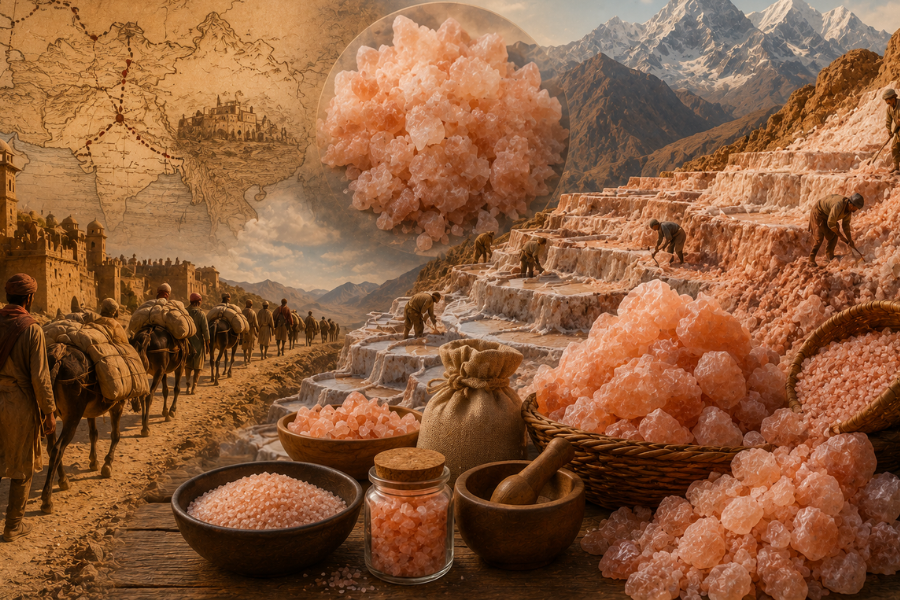
The major source of Himalayan pink salt is located in Pakistan’s Punjab region, particularly around the Salt Range area. For centuries, local communities have been connected with these salt deposits through traditional mining practices and regional trade. The famous salt mines of the region became important economic centers because salt was considered a valuable resource for food preservation, trade, and daily life. Mining methods evolved over generations, with workers developing techniques to extract salt blocks while preserving the natural structure of the deposits. The Salt Range became known for producing high-quality rock salt that attracted traders from surrounding regions. As transportation networks expanded, Himalayan salt began reaching wider markets beyond local communities. The combination of natural abundance, skilled mining traditions, and increasing demand helped establish the foundation for the modern Himalayan salt industry. Today, Pakistan remains one of the leading sources of authentic Himalayan pink salt products, supplying international markets with edible salt, decorative items, wellness products, and industrial applications.
Himalayan Salt and Ancient Trade Routes
Long before Himalayan Pink Salt became a global consumer product, salt played an important role in regional trade networks. Ancient societies considered salt a valuable commodity because it was essential for food preservation and daily survival. Traders transported salt across different regions, connecting communities and contributing to economic development. The Salt Range in Pakistan benefited from its strategic location, allowing salt products to move through established trade routes connecting South Asia with neighboring regions. These historical trade connections helped introduce Himalayan salt to different cultures and markets over time. Salt was often exchanged alongside other valuable goods, making it an important part of traditional commerce. While modern international shipping has transformed how Himalayan salt reaches consumers today, the foundation of its popularity can be traced back to these early trading networks. The historical importance of salt as a valuable resource adds depth to its modern identity as a premium natural product appreciated by consumers around the world.
Why Himalayan Pink Salt Became Popular in Modern Times
Although Himalayan pink salt has ancient origins, its worldwide popularity is relatively recent. Over the past few decades, changing consumer preferences have significantly increased demand for natural and minimally processed products. People began moving away from heavily processed ingredients and searching for alternatives that appeared more authentic and connected to nature. Himalayan Pink Salt gained attention because of its natural pink color, unique mineral appearance, and traditional sourcing story. Food bloggers, chefs, wellness communities, and lifestyle brands helped introduce the product to wider audiences. Restaurants began using it as a premium ingredient, while home cooks embraced it as an alternative seasoning option. Beyond food applications, Himalayan salt products expanded into wellness and home decor markets through items such as salt lamps, bath salts, and decorative salt walls. This diversification helped transform Himalayan pink salt from a regional resource into an internationally recognized lifestyle product.
The Rise of Himalayan Salt in the Food Industry
The food industry has played a major role in the global growth of Himalayan pink salt. Chefs, restaurants, and home cooks began using it because of its attractive appearance and natural presentation. The distinctive pink crystals created a visual difference compared to ordinary white salt, making dishes appear more premium and carefully prepared. Gourmet food brands started packaging Himalayan salt in different forms, including fine salt, coarse salt, cooking blocks, and specialty blends. Restaurants also introduced Himalayan salt blocks for grilling and serving food, creating unique dining experiences for customers. As consumers became more interested in natural ingredients and premium culinary products, Himalayan Pink Salt gained a strong position in the global food market. Today, it is sold in supermarkets, specialty stores, online marketplaces, and international food supply chains. Its success in the food industry demonstrates how a traditional natural resource successfully adapted to modern consumer preferences.
Himalayan Pink Salt Enters the Wellness Industry
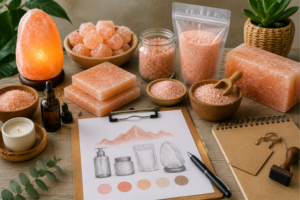
The wellness industry has been another major contributor to the worldwide demand for Himalayan pink salt. As people became more interested in relaxation, self-care, and natural wellness experiences, Himalayan salt products gained popularity in spas, wellness centers, and homes. Salt lamps, bath salts, salt rooms, and decorative salt installations became associated with calming environments and luxury wellness spaces. Many businesses began incorporating Himalayan salt into their interior designs to create unique customer experiences. Wellness-focused consumers appreciated the natural appearance and connection to traditional salt environments. This trend expanded the market beyond food products and introduced Himalayan salt to entirely new customer groups. Today, Himalayan salt is widely recognized not only as a culinary ingredient but also as a decorative and lifestyle product. The growth of wellness culture has significantly contributed to its global recognition and helped establish Himalayan pink salt as a versatile natural material.
Himalayan Salt Lamps and Home Decor Revolution
One of the biggest factors behind the international popularity of Himalayan salt is the success of Himalayan salt lamps. These decorative products introduced millions of consumers to Himalayan salt through home decor markets. Salt lamps became popular because they combine natural materials with warm lighting, creating visually attractive interior features. Homeowners, interior designers, and wellness enthusiasts began using them in bedrooms, living rooms, offices, and meditation spaces. Social media platforms further increased their popularity by showcasing beautifully designed interiors featuring glowing Himalayan salt lamps. The connection between natural materials and modern home design helped position Himalayan salt as a premium decorative element. Beyond lamps, the industry expanded into salt bricks, tiles, panels, and architectural installations used in luxury homes, hotels, and spas. This expansion demonstrated the versatility of Himalayan salt and strengthened its position as a global design trend.
The Growth of International Himalayan Salt Exports
The global demand for Himalayan pink salt has led to significant growth in international exports. Pakistan’s Himalayan salt industry now supplies customers across North America, Europe, the Middle East, Asia, and other international markets. Manufacturers and exporters produce a wide range of products, including edible salt, animal lick blocks, salt lamps, bricks, tiles, bath salts, and customized private-label products. Improvements in global logistics and online business platforms have made it easier for international buyers to connect directly with suppliers. Importers, retailers, restaurants, and wellness brands increasingly source Himalayan salt products for their customers. The export growth of Himalayan salt has created opportunities for businesses while increasing awareness of Pakistan’s natural resources worldwide. As consumer interest in authentic and natural products continues to grow, the international market for Himalayan pink salt remains strong.
Why Consumers Around the World Prefer Himalayan Pink Salt
Modern consumers are increasingly interested in products that offer authenticity, natural origins, and unique experiences. Himalayan Pink Salt meets these expectations because it provides a combination of history, visual appeal, and versatility. Buyers appreciate knowing that the salt comes from ancient mineral deposits and is harvested from a specific geographical region. The natural pink color creates a premium appearance that differentiates it from conventional salt products. Consumers also enjoy the variety of applications available, from cooking and wellness to home decoration. This versatility allows Himalayan Pink Salt to appeal to different lifestyles and industries. Whether someone purchases it for culinary use, relaxation, interior design, or business purposes, the product carries a story that connects the past with the present. This emotional connection is one of the reasons Himalayan pink salt continues gaining popularity worldwide.
The Future of Himalayan Pink Salt in Global Markets
The future of Himalayan pink salt looks promising as global trends continue favoring natural products, wellness lifestyles, and sustainable design. Businesses are constantly discovering new applications for Himalayan salt, creating opportunities in food, hospitality, wellness, agriculture, and interior design industries. Architects and designers continue experimenting with salt walls, tiles, and decorative installations, while consumers remain interested in natural kitchen and wellness products. International demand is expected to continue growing as more people discover the unique qualities of Himalayan salt. However, maintaining product authenticity and quality will remain important as the market expands. Reliable sourcing, professional processing, and responsible manufacturing practices will help protect the reputation of Himalayan Pink Salt worldwide. As consumer preferences continue shifting toward meaningful and natural products, Himalayan Pink Salt is likely to remain a valuable global resource for many years to come.
Conclusion
The hidden history of Himalayan pink salt is a remarkable journey that connects ancient geology, traditional mining, historic trade routes, and modern global markets. From its formation millions of years ago to its current popularity in kitchens, wellness spaces, and luxury interiors, Himalayan salt represents a unique combination of nature, history, and innovation. Its rise from a regional resource to a worldwide product shows how authentic materials can gain international recognition when they meet changing consumer needs. Today, Himalayan Pink Salt is more than just a seasoning; it is a symbol of natural beauty, craftsmanship, and timeless appeal. As global interest in natural products continues expanding, the story of Himalayan Pink Salt will continue evolving, connecting ancient traditions with the demands of modern consumers around the world.