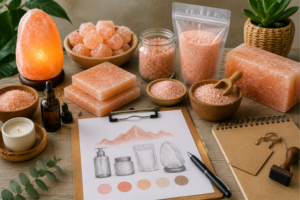
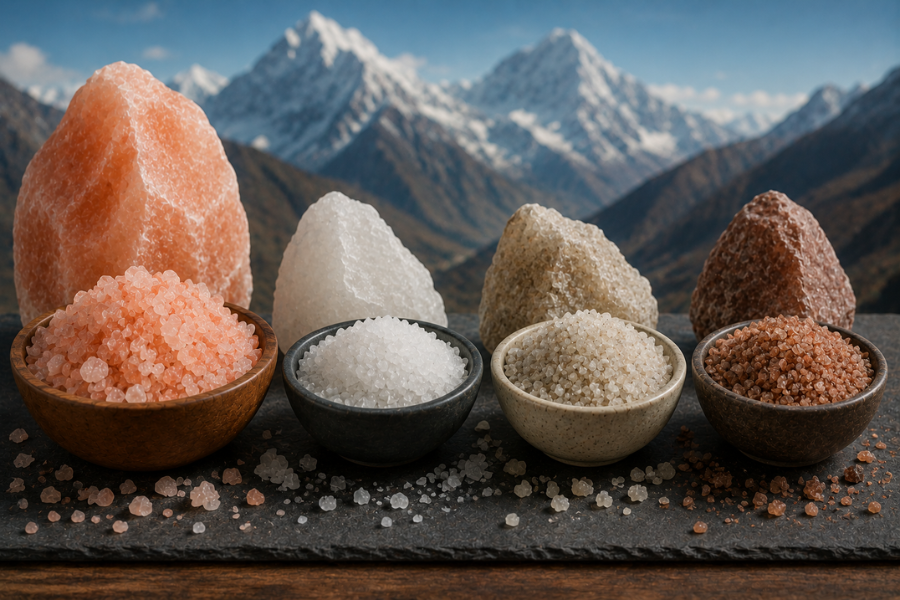
Natural rock salts have been used by humans for centuries, providing essential minerals and serving important roles in food, preservation, trade, and daily life. Among the many varieties of natural salts available worldwide, Himalayan Salt has gained exceptional popularity because of its unique appearance, ancient origin, and wide range of applications. Many consumers and businesses often ask questions such as “What is the difference between Himalayan salt and other rock salts?” “Why is Himalayan salt considered special?” and “What makes Himalayan salt more popular worldwide?” These questions highlight the growing interest in understanding the qualities that separate Himalayan salt from other natural salt varieties. While all rock salts are formed through natural geological processes, Himalayan salt has several characteristics that make it stand out, including its distinctive pink color, ancient mineral deposits, traditional mining methods, and versatility across industries. From gourmet food applications and wellness products to home decor and hospitality projects, Himalayan Salt has developed a premium identity in global markets. Understanding these differences helps consumers and businesses recognize why Himalayan salt continues to attract attention worldwide.
The Ancient Geological Origin of Himalayan Salt
One of the most important differences between Himalayan salt and other natural rock salts is its ancient geological origin. Himalayan salt comes from underground deposits located in Pakistan’s Punjab region, especially within the Salt Range, where massive salt formations developed millions of years ago. These deposits were created when ancient seas evaporated, leaving behind layers of mineral-rich salt that were preserved beneath the earth over long periods. This unique geological history gives Himalayan salt its distinctive identity and contributes to its reputation as a naturally formed product. Other rock salts around the world also originate from ancient salt deposits, but the specific conditions surrounding Himalayan salt formation created crystals with unique colors and characteristics. The age and location of these deposits are part of the reason Himalayan salt has become recognized internationally. Consumers often value products with authentic origins and meaningful stories, and Himalayan Salt offers exactly that connection between nature, history, and modern lifestyles.
Unique Pink Color Compared to Other Rock Salts
The natural pink color of Himalayan salt is one of the most noticeable features that separates it from many other rock salts. While most natural rock salts appear white, gray, or transparent, Himalayan salt displays beautiful shades ranging from light pink and peach to deeper pink and orange tones. These colors are created by naturally occurring trace minerals within the salt crystals, particularly iron. Unlike artificially colored products, the appearance of Himalayan salt comes directly from its geological formation. This natural variation makes each piece visually unique and highly desirable for culinary, decorative, and wellness applications. Other rock salts may have their own characteristics, but few have achieved the same level of recognition for their natural appearance. The attractive pink color has played a major role in making Himalayan salt popular among chefs, designers, and consumers looking for premium natural products. Its visual appeal gives it an advantage in markets where presentation and authenticity are important factors.
Difference in Mineral Composition
Himalayan salt is often compared with other natural rock salts because of its naturally occurring mineral content. Like other rock salts, Himalayan Salt is primarily composed of sodium chloride, but it also contains small amounts of naturally occurring trace minerals that contribute to its color and appearance. These minerals developed during the formation of the salt deposits millions of years ago. Other rock salts may also contain minerals depending on their geological source, but the specific mineral combination found in Himalayan salt contributes to its distinctive characteristics. This natural composition is one reason Himalayan salt has become popular among consumers who prefer minimally processed products. Businesses often highlight its natural mineral profile when introducing it to customers because it supports the perception of authenticity and quality. While the mineral differences between salts can vary naturally, the unique combination of appearance, origin, and composition helps Himalayan salt maintain its premium position in global markets.
Traditional Mining Methods and Natural Processing
Another factor that makes Himalayan salt different from many other rock salts is the traditional approach used in its extraction and processing. Himalayan salt is mined from underground deposits using methods designed to preserve the natural structure of the salt blocks and crystals. After extraction, the salt is cleaned, shaped, crushed, or packaged according to its intended use. Unlike heavily refined commercial salts, Himalayan salt is generally marketed for maintaining a more natural appearance and structure. Traditional mining practices have become an important part of its identity, connecting modern products with generations of local expertise. Many other rock salts are also naturally mined, but Himalayan Salt has gained international recognition because of the combination of traditional methods and premium branding. Consumers increasingly prefer products that have a clear story behind their production. The connection between skilled mining, natural preservation, and careful processing contributes significantly to the unique position Himalayan salt holds in the global market.
Himalayan Salt Versus Sea Salt
Many people compare Himalayan salt with sea salt because both are natural salt products with strong consumer interest. The primary difference between them is their source. Himalayan salt comes from ancient underground deposits, while sea salt is produced through the evaporation of seawater. Because of these different origins, the two salts have different appearances, textures, and production processes. Himalayan salt is known for its pink color, crystal structure, and connection to ancient geological formations. Sea salt can vary widely depending on the location and method of harvesting, often reflecting the characteristics of the water source from which it is collected. Both products have important places in culinary markets, but Himalayan Salt has developed a stronger identity as a premium natural product because of its unique story and visual appeal. Consumers often choose Himalayan salt when they want something that feels distinctive and connected to natural history. This difference in origin is one of the main reasons Himalayan salt has achieved global popularity.
Himalayan Salt in Culinary Applications
The food industry has helped establish Himalayan salt as a premium alternative to other natural salts. Chefs and restaurants often choose Himalayan salt because of its attractive appearance and unique presentation qualities. Its pink crystals add visual interest to dishes, making it popular for gourmet cooking and finishing applications. Himalayan salt is available in different forms, including fine grains, coarse crystals, and large cooking blocks. These options allow chefs and consumers to use it in various culinary styles. Other rock salts may also be used for cooking, but Himalayan salt has gained special recognition because it combines functionality with aesthetic appeal. Restaurants often use Himalayan salt blocks as serving surfaces or cooking tools, creating memorable dining experiences for customers. This connection with premium cuisine has strengthened its reputation and helped introduce it to consumers worldwide. Its role in modern culinary culture is one of the strongest examples of how Himalayan salt differs from many other natural rock salts.
Why Himalayan Salt Is Popular in Wellness Products
Himalayan salt has expanded beyond culinary uses and become a major material in the wellness industry. Products such as salt lamps, bath salts, salt walls, and decorative salt installations have introduced Himalayan salt to a completely different market. The natural colors, textures, and crystal structures make it attractive for wellness environments focused on creating peaceful and nature-inspired spaces. Many spas, hotels, and wellness centers use Himalayan salt features because they provide a unique visual experience. Other rock salts may be used in wellness applications, but Himalayan salt has become especially recognized because of its appearance and premium reputation. Consumers often associate it with relaxation, natural living, and luxury experiences. This broader use across wellness markets has helped Himalayan Salt develop an identity that goes beyond traditional salt consumption. Its ability to adapt to different industries is one of the main reasons it stands apart from many other natural rock salts.
Decorative Uses That Make Himalayan Salt Unique
One of the biggest advantages of Himalayan salt is its versatility in decorative applications. While most rock salts are primarily used for food or industrial purposes, Himalayan salt has become a popular material in interior design. Himalayan salt lamps, bricks, tiles, panels, and sculptures are used in homes, restaurants, hotels, and wellness centers worldwide. The natural color variations and crystal patterns allow designers to create unique spaces with warm and organic visual elements. Each piece of Himalayan salt has slightly different characteristics, making decorative products feel authentic and one-of-a-kind. This natural beauty has helped Himalayan Salt become part of modern lifestyle trends focused on natural materials and meaningful design. Other rock salts generally do not have the same level of decorative popularity because they lack the distinctive appearance that makes Himalayan salt visually appealing. This combination of function and beauty is one of the strongest qualities separating Himalayan salt from other natural rock salts.
Global Recognition and Market Demand
The worldwide demand for Himalayan salt is another factor that makes it different from many other natural rock salts. Over the years, Himalayan salt has become a recognizable international product available in food stores, online marketplaces, wellness centers, and luxury businesses. Its popularity has created opportunities for manufacturers, exporters, and private-label brands across different countries. The global market now includes a wide variety of Himalayan salt products, from edible salts and animal lick blocks to decorative and architectural items. This level of diversification is uncommon among many other rock salt varieties. Businesses choose Himalayan salt because customers already associate it with natural quality, premium presentation, and unique origins. The strong brand identity surrounding Himalayan Salt has helped it maintain consistent demand in competitive markets. As consumers continue searching for authentic natural products, Himalayan salt remains one of the most recognized and valued rock salts worldwide.
Choosing Between Himalayan Salt and Other Natural Rock Salts
When choosing between Himalayan salt and other natural rock salts, consumers often consider factors such as origin, appearance, intended use, and personal preference. Each type of natural salt has its own characteristics, but Himalayan salt offers a unique combination of qualities that appeal to modern buyers. Its ancient source, natural pink color, crystal structure, and versatility make it suitable for a wide range of applications. Food enthusiasts appreciate its presentation, designers value its beauty, and wellness businesses use it to create premium environments. Other rock salts may have their own advantages, but Himalayan Salt has developed a strong identity because it connects natural history with modern lifestyle needs. Understanding these differences helps consumers make informed decisions and choose products that match their requirements. Whether used in cooking, wellness, or design, Himalayan Salt continues offering a distinctive experience that separates it from many other natural rock salt varieties.
Conclusion
Himalayan salt stands apart from other natural rock salts because of its unique combination of ancient origin, natural pink color, mineral composition, traditional mining methods, and wide range of applications. While many rock salts come from natural deposits around the world, Himalayan Salt has developed a special reputation due to its distinctive appearance and connection to authentic natural processes. Its popularity in food, wellness, hospitality, and interior design industries demonstrates its versatility and global appeal. Consumers and businesses continue choosing Himalayan salt because it represents more than a basic ingredient; it represents quality, nature, and a meaningful story. As interest in natural and premium products continues growing, Himalayan salt is expected to remain one of the most recognized and valued natural salts in worldwide markets.